
What's inside
What's inside
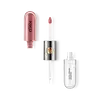 Key Ingredients
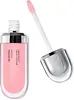
Benefits
Concerns
Ingredients Side-by-side
Isododecane
EmollientBis-Hydroxyethoxypropyl Dimethicone/Ipdi Copolymer Ethylcarbamate

Disteardimonium Hectorite
StabilisingMica
Cosmetic ColorantDimethicone/Vinyl Dimethicone Crosspolymer
Skin Conditioning
Dimethicone
Emollient
Alcohol
Antimicrobial




Water
Skin ConditioningEthyl Vanillin
MaskingDicalcium Phosphate
Abrasive
Pentaerythrityl Tetra-Di-T-Butyl Hydroxyhydrocinnamate
Antioxidant
Laureth-4
Emulsifying
Tin Oxide
Abrasive
CI 77891
Cosmetic ColorantCI 77491
Cosmetic ColorantCI 15850
Cosmetic ColorantCI 15985
Cosmetic ColorantCI 19140
Cosmetic ColorantCI 42090
Cosmetic ColorantCI 45410
Cosmetic ColorantTmp Dimethicone
Emollient
Cetyl PEG/PPG-10/1 Dimethicone
Emulsifying
Cera Microcristallina
Emulsion StabilisingParaffin
Skin Conditioning
Isododecane, Bis-Hydroxyethoxypropyl Dimethicone/Ipdi Copolymer Ethylcarbamate, Disteardimonium Hectorite, Mica, Dimethicone/Vinyl Dimethicone Crosspolymer, Dimethicone, Alcohol, Water, Ethyl Vanillin, Dicalcium Phosphate, Pentaerythrityl Tetra-Di-T-Butyl Hydroxyhydrocinnamate, Laureth-4, Tin Oxide, CI 77891, CI 77491, CI 15850, CI 15985, CI 19140, CI 42090, CI 45410, Tmp Dimethicone, Cetyl PEG/PPG-10/1 Dimethicone, Cera Microcristallina, Paraffin
Polybutene
Octyldodecanol
Emollient
Octyldodecyl Stearoyl Stearate
Emollient
Silica Dimethyl Silylate
EmollientTriethylhexanoin
MaskingTriisodecyl Trimellitate
EmollientIsocetyl Stearate
Emollient
Diisostearyl Malate
EmollientPentaerythrityl Tetraisostearate
Emollient
Phenylpropyldimethylsiloxysilicate
EmollientGlyceryl Behenate/Eicosadioate
Emollient
Elaeis Guineensis Oil
Emollient

Gossypium Herbaceum Seed Oil
Skin Conditioning
Bidens Pilosa Extract
HumectantLinum Usitatissimum Seed Oil
Perfuming
Tocopherol
Antioxidant





Diethylhexyl Syringylidenemalonate
Skin Protecting
Caprylic/Capric Triglyceride
Masking
Tocopheryl Acetate
Antioxidant
Ethyl Vanillin
MaskingCalcium Sodium Borosilicate
Calcium Aluminum Borosilicate
Silica
Abrasive

Synthetic Fluorphlogopite
Mica
Cosmetic ColorantTin Oxide
Abrasive
CI 77891
Cosmetic ColorantCI 77491
Cosmetic ColorantCI 77492
Cosmetic ColorantCI 77499
Cosmetic ColorantCI 15850
Cosmetic ColorantCI 19140
Cosmetic ColorantCI 45410
Cosmetic ColorantCI 42090
Cosmetic ColorantPolybutene, Octyldodecanol, Octyldodecyl Stearoyl Stearate, Silica Dimethyl Silylate, Triethylhexanoin, Triisodecyl Trimellitate, Isocetyl Stearate, Diisostearyl Malate, Pentaerythrityl Tetraisostearate, Phenylpropyldimethylsiloxysilicate, Glyceryl Behenate/Eicosadioate, Elaeis Guineensis Oil, Gossypium Herbaceum Seed Oil, Bidens Pilosa Extract, Linum Usitatissimum Seed Oil, Tocopherol, Diethylhexyl Syringylidenemalonate, Caprylic/Capric Triglyceride, Tocopheryl Acetate, Ethyl Vanillin, Calcium Sodium Borosilicate, Calcium Aluminum Borosilicate, Silica, Synthetic Fluorphlogopite, Mica, Tin Oxide, CI 77891, CI 77491, CI 77492, CI 77499, CI 15850, CI 19140, CI 45410, CI 42090
Reviews
Ingredients Explained
These ingredients are found in both products.
Ingredients higher up in an ingredient list are typically present in a larger amount.
Ci 15850 is the pigment color red. It is an azo dye and created synthetically.
Azo dyes need to be thoroughly purified before use. This allows them to be more stable and longer-lasting.
This ingredient is common in foundations, lipsticks, and blushes. This color is described as brown/orangey red.
It has many secondary names such as Red 6 and Red 7. According to a manufacturer, Red 6 usually contains aluminum.
Learn more about CI 15850CI 19140 is also known as Tartrazine. Tartrazine is a synthetic dye used in cosmetics, foods, and medicine to add a yellow color.
Tartrazine is created from petroleum and is water-soluble.
Some people may experience allergies from this dye, especially asthmatics and those with an aspirin intolerance.
Learn more about CI 19140Ci 42090 is a synthetic dye created from petroleum. It is used to give a bright blue color to cosmetics, medicine, and food.
CI 45410 is a synthetic red-pigment and dye.
It often goes by both Red 28 or Red 27; manufacturers label both ingredients as CI 45410.
This dye is commonly found in makeup because it imparts a vivid color. Some types of this dye change color based on pH level and interaction with moisture:
Your skin has a natural pH of around 4.5 - 5.5.
According to the FDA, CI 45410 is not permitted for use in eye products.
Red 27 is a flourescein dye and commonly used as a fluorescent tracer in medicine.
Learn more about CI 45410Ci 77491 is also hydrated iron III oxide. It's sole purpose is to give a red/pink hue to products.
Iron III oxides are classified as inorganic chemicals for coloring.
Synthetically created Ci 77491 is considered safer than those naturally found. This is because the synthetically created version may contain less impurities. Iron oxides are generally non-toxic and non-allergenic.
Learn more about CI 77491Ci 77891 is a white pigment from Titanium dioxide. It is naturally found in minerals such as rutile and ilmenite.
It's main function is to add a white color to cosmetics. It can also be mixed with other colors to create different shades.
Ci 77891 is commonly found in sunscreens due to its ability to block UV rays.
Learn more about CI 77891We don't have a description for Ethyl Vanillin yet.
Mica is a naturally occurring mineral used to add shimmer and color in cosmetics. It can also help improve the texture of a product or give it an opaque, white/silver color.
Serecite is the name for very fine but ragged grains of mica.
This ingredient is often coated with metal oxides like titanium dioxide. Trace amounts of heavy metals may be found in mica, but these metals are not harmful in our personal products.
Mica has been used since prehistoric times throughout the world. Ancient Egyptian, Indian, Greek, Roman, Aztec, and Chinese civilizations have used mica.
Learn more about MicaTin Oxide is an inorganic oxide used to add opacity and volume to a product. In nature, it is already found in mineral form. The main ore of tin is an opaque and shiny mineral called casseterite.
Tin Oxide helps remove translucency in a product, or make it more opaque. Besides adding opacity, tin oxide is used for bulking to add volume.


