

What's inside
What's inside
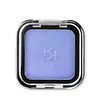 Key Ingredients
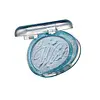
Benefits
Concerns
Ingredients Side-by-side
Talc
Abrasive
Zea Mays Starch
Absorbent
Calcium Aluminum Borosilicate
Aluminum Starch Octenylsuccinate
Absorbent
Dimethicone
Emollient

Cetearyl Ethylhexanoate
Emollient

Nylon-12

Zinc Stearate
Cosmetic ColorantPolymethyl Methacrylate
Caprylyl Glycol
Emollient
Ethylhexylglycerin
Skin ConditioningMica
Cosmetic ColorantTin Oxide
Abrasive
Water
Skin ConditioningMaltodextrin
Absorbent
CI 77891
Cosmetic ColorantCI 77499
Cosmetic ColorantCI 77007
Cosmetic ColorantCI 77163
Cosmetic Colorant

CI 77510
Cosmetic ColorantCI 75470
Cosmetic ColorantTalc, Zea Mays Starch, Calcium Aluminum Borosilicate, Aluminum Starch Octenylsuccinate, Dimethicone, Cetearyl Ethylhexanoate, Nylon-12, Zinc Stearate, Polymethyl Methacrylate, Caprylyl Glycol, Ethylhexylglycerin, Mica, Tin Oxide, Water, Maltodextrin, CI 77891, CI 77499, CI 77007, CI 77163, CI 77510, CI 75470
CI 77891
Cosmetic ColorantSynthetic Fluorphlogopite
Tin Oxide
Abrasive
Magnesium Myristate
Polypropylene
Isononyl Isononanoate
EmollientCalcium Aluminum Borosilicate
Silica
Abrasive
Calcium Sodium Borosilicate
Dimethicone
Emollient
Dimethicone Crosspolymer
Emulsion Stabilising
Phenyl Trimethicone
Skin Conditioning
Polyisobutene
Bis-Diglyceryl Polyacyladipate-2
Emollient
CI 77510
Cosmetic ColorantMica
Cosmetic ColorantCaprylyl Glycol
Emollient
Glyceryl Caprylate
EmollientEthylhexylglycerin
Skin ConditioningTocopherol
Antioxidant






CI 77891, Synthetic Fluorphlogopite, Tin Oxide, Magnesium Myristate, Polypropylene, Isononyl Isononanoate, Calcium Aluminum Borosilicate, Silica, Calcium Sodium Borosilicate, Dimethicone, Dimethicone Crosspolymer, Phenyl Trimethicone, Polyisobutene, Bis-Diglyceryl Polyacyladipate-2, CI 77510, Mica, Caprylyl Glycol, Glyceryl Caprylate, Ethylhexylglycerin, Tocopherol
Ingredients Explained
These ingredients are found in both products.
Ingredients higher up in an ingredient list are typically present in a larger amount.
Calcium Aluminum Borosilicate is made up of calcium, aluminum, and silicates. It is a glass-like material. In cosmetics, it comes in the form of flakes or microspheres.
Calcium aluminum borosilicate is a bulking agent, meaning it helps thicken a product.
This ingredient is created by slowly mixing several minerals, including kaolin clay.
Although “aluminum” in an ingredient name can raise red flags for some consumers, the form and usage context matter significantly. For typical topical applications, there is no substantial evidence of health risks - such as cancer, neurotoxicity, or systemic “aluminum overload.”
Learn more about Calcium Aluminum BorosilicateCaprylyl Glycol is a humectant, skin conditioner, emollient, and preservative booster derived from either caprylic acid or synthetically created.
Typical use levels vary from 0.3-1% as a preservative booster and go up to 2% to condition skin.
Because it is not a free-fatty acid, this ingredient is fungal acne safe (there's nothing for Malassezia to feed on).
Learn more about Caprylyl GlycolThis ingredient is used to impart a blue color. It is not water-soluble.
It goes by two different names:
1. Ferric Ferrocyanide: a synthetic dark blue pigment
2. Ferric Ammonium Ferrocyanide: a synthetic blue pigment, also called Prussian blue
In the EU, both of these colors must be labeled as 'CI 77510'.
Learn more about CI 77510Ci 77891 is a white pigment from Titanium dioxide. It is naturally found in minerals such as rutile and ilmenite.
It's main function is to add a white color to cosmetics. It can also be mixed with other colors to create different shades.
Ci 77891 is commonly found in sunscreens due to its ability to block UV rays.
Learn more about CI 77891Dimethicone is a type of synthetic silicone created from natural materials such as quartz. It is also known as polydimethylsiloxane.
What it does:
Dimethicone comes in different viscosities:
Depending on the viscosity, dimethicone has different properties.
Ingredients lists don't always show which type is used, so we recommend reaching out to the brand if you have questions about the viscosity.
This ingredient is unlikely to cause irritation because it does not get absorbed into skin. However, people with silicone allergies should be careful about using this ingredient.
Note: Dimethicone may contribute to pilling. This is because it is not oil or water soluble, so pilling may occur when layered with products. When mixed with heavy oils in a formula, the outcome is also quite greasy.
Learn more about DimethiconeEthylhexylglycerin is created from glycerin. It is a multitasker ingredient that:
The CIR Expert Panel found minimal skin absorption or sensitization of any kind in a safety assessment. Though this ingredient is considered well-tolerated, a small number of cases of allergic dermatitis have been published since 2002. Just be sure to patch test if you are unsure.
Industry-reported use ranges from 8% in rinse-off products and 2% in leave-on formulations.
Learn more about EthylhexylglycerinMica is a naturally occurring mineral used to add shimmer and color in cosmetics. It can also help improve the texture of a product or give it an opaque, white/silver color.
Serecite is the name for very fine but ragged grains of mica.
This ingredient is often coated with metal oxides like titanium dioxide. Trace amounts of heavy metals may be found in mica, but these metals are not harmful in our personal products.
Mica has been used since prehistoric times throughout the world. Ancient Egyptian, Indian, Greek, Roman, Aztec, and Chinese civilizations have used mica.
Learn more about MicaTin Oxide is an inorganic oxide used to add opacity and volume to a product. In nature, it is already found in mineral form. The main ore of tin is an opaque and shiny mineral called casseterite.
Tin Oxide helps remove translucency in a product, or make it more opaque. Besides adding opacity, tin oxide is used for bulking to add volume.


