
What's inside
What's inside
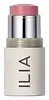 Key Ingredients
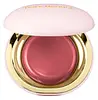
Benefits
Concerns
Ingredients Side-by-side
Helianthus Annuus Seed Oil
Emollient



Ricinus Communis Seed Oil
Masking
Theobroma Cacao Seed Butter
Emollient


Cera Alba
Emollient
Euphorbia Cerifera Cera
Astringent
Butyrospermum Parkii Butter
Skin Conditioning
Citrus Aurantium Dulcis Peel Cera
EmollientSesamum Indicum Seed Oil
Emollient
Zea Mays Starch
Absorbent
Citric Acid
Buffering

Persea Gratissima Oil
Skin Conditioning
Tocopherol
Antioxidant




CI 77492
Cosmetic ColorantCI 77491
Cosmetic ColorantCI 77499
Cosmetic ColorantMica
Cosmetic ColorantCI 45410
Cosmetic ColorantCI 15850
Cosmetic ColorantCI 77891
Cosmetic ColorantCI 19140
Cosmetic ColorantHelianthus Annuus Seed Oil, Ricinus Communis Seed Oil, Theobroma Cacao Seed Butter, Cera Alba, Euphorbia Cerifera Cera, Butyrospermum Parkii Butter, Citrus Aurantium Dulcis Peel Cera, Sesamum Indicum Seed Oil, Zea Mays Starch, Citric Acid, Persea Gratissima Oil, Tocopherol, CI 77492, CI 77491, CI 77499, Mica, CI 45410, CI 15850, CI 77891, CI 19140
Isodecyl Isononanoate
EmollientSilica
Abrasive

C12-15 Alkyl Benzoate
AntimicrobialIsodecyl Neopentanoate
EmollientOctyldodecyl Stearoyl Stearate
Emollient
Methyl Methacrylate Crosspolymer
Limnanthes Alba Seed Oil
Skin Conditioning
Polyethylene
Abrasive
Synthetic Fluorphlogopite
Dicalcium Phosphate
Abrasive
Tocopheryl Acetate
Antioxidant
Pentaerythrityl Tetra-Di-T-Butyl Hydroxyhydrocinnamate
Antioxidant
Helianthus Annuus Seed Oil
Emollient
Gardenia Florida Fruit Extract
Skin ConditioningNelumbo Nucifera Flower Extract
Skin ConditioningNymphaea Odorata Root Extract
RefreshingCI 45410
Cosmetic ColorantCI 77891
Cosmetic ColorantIron Oxides
CI 42090
Cosmetic ColorantCI 15850
Cosmetic ColorantCI 15985
Cosmetic ColorantIsodecyl Isononanoate, Silica, C12-15 Alkyl Benzoate, Isodecyl Neopentanoate, Octyldodecyl Stearoyl Stearate, Methyl Methacrylate Crosspolymer, Limnanthes Alba Seed Oil, Polyethylene, Synthetic Fluorphlogopite, Dicalcium Phosphate, Tocopheryl Acetate, Pentaerythrityl Tetra-Di-T-Butyl Hydroxyhydrocinnamate, Helianthus Annuus Seed Oil, Gardenia Florida Fruit Extract, Nelumbo Nucifera Flower Extract, Nymphaea Odorata Root Extract, CI 45410, CI 77891, Iron Oxides, CI 42090, CI 15850, CI 15985
Reviews
Alternatives
Ingredients Explained
These ingredients are found in both products.
Ingredients higher up in an ingredient list are typically present in a larger amount.
Ci 15850 is the pigment color red. It is an azo dye and created synthetically.
Azo dyes need to be thoroughly purified before use. This allows them to be more stable and longer-lasting.
This ingredient is common in foundations, lipsticks, and blushes. This color is described as brown/orangey red.
It has many secondary names such as Red 6 and Red 7. According to a manufacturer, Red 6 usually contains aluminum.
Learn more about CI 15850CI 45410 is a synthetic red-pigment and dye.
It often goes by both Red 28 or Red 27; manufacturers label both ingredients as CI 45410.
This dye is commonly found in makeup because it imparts a vivid color. Some types of this dye change color based on pH level and interaction with moisture:
Your skin has a natural pH of around 4.5 - 5.5.
According to the FDA, CI 45410 is not permitted for use in eye products.
Red 27 is a flourescein dye and commonly used as a fluorescent tracer in medicine.
Learn more about CI 45410Ci 77891 is a white pigment from Titanium dioxide. It is naturally found in minerals such as rutile and ilmenite.
It's main function is to add a white color to cosmetics. It can also be mixed with other colors to create different shades.
Ci 77891 is commonly found in sunscreens due to its ability to block UV rays.
Learn more about CI 77891Helianthus Annuus Seed Oil is a plant oil derived from the seeds of a sunflower.
It is rich in fatty acids, primarily linoleic acid and oleic acid. This gives it emollient and skin conditioning properties.
The reason this ingredient is so effective is because it forms a thin film on the skin that reduces transepidermal water loss (TEWL) while supplying linoleic acid to the stratum corneum to improve barrier strength.
The high linoleic acid content is particularly noteworthy for acne-prone skin.
Research suggests that acne-prone skin tends to be deficient in linoleic acid in sebum. Topical application may help replenish this to support a healthier follicular environment and less comedone-promoting sebum.
One randomized study found sunflower seed oil preserved skin barrier integrity in adult volunteers with and without atopic dermatitis (outperforming olive oil).
This ingredient is well-studied, gentle, and an effective emollient suitable for most skin types.
On fungal acne: This ingredient may not be Fungal acne (Malassezia folliculitis) safe. This is because it contains fatty acids with carbon chain lengths in the C11-C24 range.
Learn more about Helianthus Annuus Seed Oil

