

What's inside
What's inside
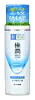 Key Ingredients
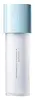
Benefits
Concerns
No concerns
Ingredients Side-by-side

Water
Skin ConditioningButylene Glycol
Humectant

Dipropylene Glycol
Humectant1,2-Hexanediol
Skin Conditioning
Betaine
Humectant
Trehalose
Humectant
Diethoxyethyl Succinate
SolventPPG-13-Decyltetradeceth-24
EmulsifyingXanthan Gum
EmulsifyingEthylhexylglycerin
Skin ConditioningParfum
Masking



Mentha Arvensis Leaf Extract
MaskingDisodium EDTA
Hydrolyzed Hyaluronic Acid
Humectant

Propanediol
Solvent
Gluconolactone
Skin Conditioning





Aureobasidium Pullulans Ferment
Skin ConditioningLactobacillus/Soybean Ferment Extract
Skin ConditioningYeast Ferment Extract
Skin ConditioningTocopherol
Antioxidant



Undaria Pinnatifida Extract
Skin ConditioningWater, Butylene Glycol, Dipropylene Glycol, 1,2-Hexanediol, Betaine, Trehalose, Diethoxyethyl Succinate, PPG-13-Decyltetradeceth-24, Xanthan Gum, Ethylhexylglycerin, Parfum, Mentha Arvensis Leaf Extract, Disodium EDTA, Hydrolyzed Hyaluronic Acid, Propanediol, Gluconolactone, Aureobasidium Pullulans Ferment, Lactobacillus/Soybean Ferment Extract, Yeast Ferment Extract, Tocopherol, Undaria Pinnatifida Extract
Reviews
Ingredients Explained
These ingredients are found in both products.
Ingredients higher up in an ingredient list are typically present in a larger amount.
Butylene Glycol (or BG) is used within cosmetic products for a few different reasons:
Overall, Butylene Glycol is a safe and well-rounded ingredient that works well with other ingredients.
Though this ingredient works well with most skin types, some people with sensitive skin may experience a reaction such as allergic rashes, closed comedones, or itchiness.
Learn more about Butylene GlycolDipropylene Glycol is a synthetically created humectant, stabilizer, and solvent.
This ingredient helps:
Dipropylene glycol is technically an alcohol, but it belongs to the glycol family (often considered part of the ‘good’ alcohols). This means it is hydrating and gentle on skin unlike drying solvent alcohols like denatured alcohol.
As a masking agent, Dipropylene Glycol can be used to cover the smell of other ingredients. However, it does not have a scent.
Studies show Dipropylene Glycol is considered safe to use in skincare.
Learn more about Dipropylene GlycolDisodium EDTA is a chelating agent. It grabs onto and deactivates metal ions that sneak into your products from water, packaging, or air.
This ingredient mainly works behind the scenes and helps with:
On top of that, this ingredient can counteract the effects of hard water by binding to the minerals in it.
One thing worth knowing is that Disodium EDTA has been shown to be a mild penetration enhancer. It can help other ingredients absorb into skin more effectively which can be a double-edged sword (great for actives, but can also make the active too strong if you have sensitive skin).
Clinical patch testing showed no significant skin irritation at typical use concentrations and minimal dermal absorption.
You'll most likely see this ingredient near the end of an ingredient list. It's typically found in concentrations less than 1%.
Learn more about Disodium EDTAHydrolyzed Hyaluronic Acid is hyaluronic acid (HA) that is broken down into lower molecular weight fragments.
It's a humectant that pulls and holds water in the skin to help with hydration, plumpness, and reduce transepidermal water loss.
Because hydrolyzed hyaluronic acid is smaller in size, it can slip past your outermost layer of skin more easily than full-sized HA.
Most formulations will combine all sizes to get the best of both worlds.
Typical usage levels range from 0.01-1%. Any percentage higher than 2% might become goopy and tacky.
Learn more about Hydrolyzed Hyaluronic AcidWater. It's the most common cosmetic ingredient of all. You'll usually see it at the top of ingredient lists, meaning that it makes up the largest part of the product.
So why is it so popular? Water most often acts as a solvent - this means that it helps dissolve other ingredients into the formulation.
You'll also recognize water as that liquid we all need to stay alive. If you see this, drink a glass of water. Remember to stay hydrated!
Learn more about Water
