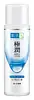
This hydrating toner is formulated around Sodium Hyaluronate and Sodium Acetylated Hyaluronate to hydrate skin and strengthen the skin barrier.
This hydrating toner is formulated around Euterpe Oleracea Fruit Extract and Protease to hydrate skin and refine skin texture.


What's inside
What's inside
 Key Ingredients
Benefits
Ingredients Side-by-side

Water
Skin ConditioningButylene Glycol
Humectant

Glycerin
Humectant
Propanediol
Solvent
Euterpe Oleracea Fruit Extract

1,2-Hexanediol
Skin Conditioning
Protease
Exfoliating

Betaine
Humectant
Panthenol
Skin Conditioning
Rubus Fruticosus Fruit Extract
AstringentVaccinium Macrocarpon Fruit Extract
AstringentVaccinium Angustifolium Fruit Extract
Skin Protecting
Rubus Idaeus Fruit Extract
AstringentSambucus Nigra Fruit Extract
AstringentXanthan Gum
EmulsifyingAllantoin
Skin Conditioning
Beta-Glucan
Skin Conditioning
Fructan
Skin ConditioningStyrene/Vp Copolymer
Sodium Hyaluronate
Humectant

Pentylene Glycol
Skin Conditioning
Caprylyl Glycol
Emollient
Water, Butylene Glycol, Glycerin, Propanediol, Euterpe Oleracea Fruit Extract, 1,2-Hexanediol, Protease, Betaine, Panthenol, Rubus Fruticosus Fruit Extract, Vaccinium Macrocarpon Fruit Extract, Vaccinium Angustifolium Fruit Extract, Rubus Idaeus Fruit Extract, Sambucus Nigra Fruit Extract, Xanthan Gum, Allantoin, Beta-Glucan, Fructan, Styrene/Vp Copolymer, Sodium Hyaluronate, Pentylene Glycol, Caprylyl Glycol
Reviews
Alternatives
Ingredients Explained
These ingredients are found in both products.
Ingredients higher up in an ingredient list are typically present in a larger amount.
Pentylene Glycol (1,2-pentanediol) is a multitasking little diol with three main roles in a formula:
Research on alkanediols (the family pentylene glycol belongs to) show they work by disrupting microbial cell membranes. This disruption helps the primary preservative system in a product work more effectively at lower doses.
On the safety side, the Cosmetic Ingredient Review Expert Panel has concluded this ingredient to be safe as used in current cosmetic practices + concentrations.
Typical use levels in a formula run about 1-5%.
Learn more about Pentylene GlycolSodium Hyaluronate is the salt form of hyaluronic acid. It is a long sugar chain that is naturally found in your skin, joints, and connective tissue that maintains hydration and elasticity.
In skincare, it works as a humectant. It pulls water from the environment and deeper layers of skin and binds it to the surface.
Interestingly, the size of the molecule affects its behavior:
Some clinical evidence links low molecular weight versions to improved wrinkle depth, elasticity, anti-inflammatory effects, and barrier repair.
Many serums use a blend of both weights so you can get surface hydration plus longer-lasting and deeper effects.
You'll typically see concentrations between 0.1-2% for this ingredient.
Learn more about Sodium Hyaluronate

