
What's inside
What's inside
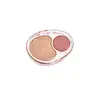 Key Ingredients
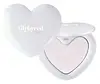
Benefits
No benefits
Ingredients Side-by-side
Mica
Cosmetic ColorantTalc
Abrasive
Dimethicone
Emollient

CI 77891
Cosmetic ColorantHydrogenated Poly(C6-14 Olefin)
EmollientDimethicone/Vinyl Dimethicone Crosspolymer
Skin Conditioning
Diisostearyl Malate
EmollientDiphenylsiloxy Phenyl Trimethicone
Skin Conditioning
Silica
Abrasive

CI 77007
Cosmetic ColorantEthylhexylglycerin
Skin ConditioningCI 75470
Cosmetic ColorantAluminum Hydroxide
EmollientTriethoxycaprylylsilane
Glyceryl Caprylate
EmollientCI 19140
Cosmetic ColorantCI 77499
Cosmetic ColorantCI 73360
Cosmetic ColorantTocopherol
Antioxidant







CI 77491
Cosmetic ColorantMica, Talc, Dimethicone, CI 77891, Hydrogenated Poly(C6-14 Olefin), Dimethicone/Vinyl Dimethicone Crosspolymer, Diisostearyl Malate, Diphenylsiloxy Phenyl Trimethicone, Silica, CI 77007, Ethylhexylglycerin, CI 75470, Aluminum Hydroxide, Triethoxycaprylylsilane, Glyceryl Caprylate, CI 19140, CI 77499, CI 73360, Tocopherol, CI 77491


Reviews
Ingredients Explained
These ingredients are found in both products.
Ingredients higher up in an ingredient list are typically present in a larger amount.
Diisostearyl Malate is an emollient and most often used in lip products. It comes from isostearyl alcohol, a fatty acid, and malic acid, an AHA.
As an emollient, Diisostearyl Malate helps create a thin film on your skin to trap moisture in. This helps keep your skin soft and smooth.
Diphenylsiloxy Phenyl Trimethicone is a silicone. It has a high refractive index and adds shine to formulations.
According to the safety review by the Cosmetic Ingredient Review (CIR) Expert Panel, it is safe for use in cosmetics under the current practices and concentrations.
Ethylhexylglycerin is created from glycerin. It is a multitasker ingredient that:
The CIR Expert Panel found minimal skin absorption or sensitization of any kind in a safety assessment. Though this ingredient is considered well-tolerated, a small number of cases of allergic dermatitis have been published since 2002. Just be sure to patch test if you are unsure.
Industry-reported use ranges from 8% in rinse-off products and 2% in leave-on formulations.
Learn more about EthylhexylglycerinGlyceryl Caprylate comes from glycerin and caprylic acid. It is an emollient, co-emulsifier, and preservative booster.
Its short C8 fatty acid chain makes it behave differently from its longer-chain emollient cousins like Glyceryl Stearate. It feels more lightweight, fast-absorbing, and silky instead of rich and waxy.
As a co-emulsifier, its "head" and "tail" sit at the oil-water interface. But overall, the short C8 tail and not being water soluble means it doesn't really have the muscle to emulsify a formula on its own. That's why you'll often see it paired with a primary emulsifier like Cetearyl Glucoside.
Interestingly, Glyceryl Caprylate acts as a preservative booster. This is because its fatty-acid backbone disrupts microbial lipid membranes. It shows excellent activity against bacteria and yeast but is weaker against mold.
Typical concentrations range from 0.5-1% and this ingredient is generally non-irritating.
Because this ingredient has a C8 fatty acid chain, it is outside the range that the Malassezia yeast metabolizes (making it fungal acne safe).
Learn more about Glyceryl CaprylateMica is a naturally occurring mineral used to add shimmer and color in cosmetics. It can also help improve the texture of a product or give it an opaque, white/silver color.
Serecite is the name for very fine but ragged grains of mica.
This ingredient is often coated with metal oxides like titanium dioxide. Trace amounts of heavy metals may be found in mica, but these metals are not harmful in our personal products.
Mica has been used since prehistoric times throughout the world. Ancient Egyptian, Indian, Greek, Roman, Aztec, and Chinese civilizations have used mica.
Learn more about Mica

