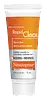
This acne treatment is formulated around Niacinamide and Magnesium Aluminum Silicate to clear breakouts and balance excess oil.
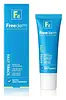
This acne treatment is formulated around Salicylic Acid to clear breakouts and refine the look of pores.


What's inside
What's inside
 Key Ingredients
Benefits
Concerns
Ingredients Side-by-side




Salicylic Acid 2%
Masking










Alcohol
Antimicrobial
Alcohol Denat.
Antimicrobial
Ammonia
Buffering
Benzalkonium Chloride
Antimicrobial
Butylene Glycol
Humectant

C12-15 Alkyl Lactate
EmollientC13-14 Isoparaffin
Emollient
Capryloyl Glycine
CleansingCedrus Atlantica Bark Extract
Perfuming

Cetyl Lactate
EmollientCinnamomum Zeylanicum Bark Extract
Antimicrobial
Cocamidopropyl Pg-Dimonium Chloride Phosphate

Cyclopentasiloxane
Emollient
Dehydroxanthan Gum
Emulsion StabilisingGlycerin
Humectant
Hamamelis Virginiana Water
Astringent
Laureth-7
EmulsifyingParfum
Masking
Phenethyl Dimethicone
Emollient
Phenoxyethanol
Preservative
Polyacrylamide
Polysorbate 20
Emulsifying
Portulaca Oleracea Extract
Skin Conditioning

PPG-2 Isoceteth-20 Acetate
EmulsifyingPropylene Glycol
Humectant
Sarcosine
Skin Conditioning
Tetrasodium EDTA
ChelatingWater
Skin ConditioningSalicylic Acid 2%, Alcohol, Alcohol Denat., Ammonia, Benzalkonium Chloride, Butylene Glycol, C12-15 Alkyl Lactate, C13-14 Isoparaffin, Capryloyl Glycine, Cedrus Atlantica Bark Extract, Cetyl Lactate, Cinnamomum Zeylanicum Bark Extract, Cocamidopropyl Pg-Dimonium Chloride Phosphate, Cyclopentasiloxane, Dehydroxanthan Gum, Glycerin, Hamamelis Virginiana Water, Laureth-7, Parfum, Phenethyl Dimethicone, Phenoxyethanol, Polyacrylamide, Polysorbate 20, Portulaca Oleracea Extract, PPG-2 Isoceteth-20 Acetate, Propylene Glycol, Sarcosine, Tetrasodium EDTA, Water
Reviews
Ingredients Explained
These ingredients are found in both products.
Ingredients higher up in an ingredient list are typically present in a larger amount.
This ingredient is also called ethanol or ethyl alcohol. It is denatured, meaning made undrinkable for cosmetic use.
In formulas, it:
Is it bad for your skin?
The answer comes down to concentration. Patch and wash studies have found highly concentrated alcohol-based hand rubs (60-100%) cause less barrier disruption than washing with a basic detergent like SLS. The only measurable effect in these studies was a temporary dip in skin hydration.
Concentrations below 12-15% in leave-on cosmetics is generally well-tolerated. Concentrations above start to see increased transepidermal water loss (TEWL) and reduced hydration.
In concentrations about 58%, it creates temporary channels in your skin's lipid layers to become more permeable and allow other ingredients to slip through easily.
This ingredient can be up to 80% of the formula in alcohol-based perfumes.
Overall, this ingredient is probably harmless if found lower down an ingredients list but worth side-eyeing if it's high up (especially if your barrier is already struggling).
Alcohol can worsen dry skin, eczema, and oily skin, especially at higher concentrations. This is because it can increase transepidermal water loss and decrease hydration to disrupt the skin barrier.
According to the National Rosacea Society based in the US, you should be mindful of products with these alcohols in the top half of ingredients.
True allergic contact dermatitis to ethanol is uncommon, but be sure to patch test if you have dry or sensitive skin.
Learn more about AlcoholWater. It's the most common cosmetic ingredient of all. You'll usually see it at the top of ingredient lists, meaning that it makes up the largest part of the product.
So why is it so popular? Water most often acts as a solvent - this means that it helps dissolve other ingredients into the formulation.
You'll also recognize water as that liquid we all need to stay alive. If you see this, drink a glass of water. Remember to stay hydrated!
Learn more about Water

