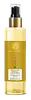
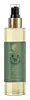
Forest Essentials Delicate Facial Cleanser Kashmiri Saffron & Neem Versus Forest Essentials Sandalwood and Orange Peel Face Wash
This mild gel cleanser is made to cleanse without leaving your skin tight or dry.
This mild gel cleanser is made to cleanse without leaving your skin tight or dry.

What's inside
What's inside
 Key Ingredients
Benefits
Concerns
Ingredients Side-by-side
Michelia Alba Flower Extract 2%
Skin ConditioningMaranta Arundinacea Root Extract 1.5%
SmoothingNuphar Luteum Leaf Extract 1.5%
Skin ProtectingNelumbo Nucifera Flower Extract 1%
Skin ConditioningPinus Pinaster Leaf Extract 1%
Skin ConditioningRose Extract 1%
Skin ConditioningJasminum Officinale Flower Oil 1%
Perfuming




Honey 1%
Humectant
Lava Extract 1%
Skin ConditioningAzadirachta Indica Leaf Extract 0.5%
Skin ConditioningCrocus Sativus Flower Extract 0.5%
MaskingGlycerin
Humectant

Tocopherol
Antioxidant





Dehydroxanthan Gum
Emulsion StabilisingDecyl Glucoside
Cleansing
Coco-Glucoside
Cleansing
Sodium Levulinate
Skin ConditioningPhytic Acid
Chelating
Michelia Alba Flower Extract 2%, Maranta Arundinacea Root Extract 1.5%, Nuphar Luteum Leaf Extract 1.5%, Nelumbo Nucifera Flower Extract 1%, Pinus Pinaster Leaf Extract 1%, Rose Extract 1%, Jasminum Officinale Flower Oil 1%, Honey 1%, Lava Extract 1%, Azadirachta Indica Leaf Extract 0.5%, Crocus Sativus Flower Extract 0.5%, Glycerin, Tocopherol, Dehydroxanthan Gum, Decyl Glucoside, Coco-Glucoside, Sodium Levulinate, Phytic Acid
Cocos Nucifera Water
Masking
Aloe Barbadensis Leaf Extract
Emollient
Hemidesmus Indicus Root Extract
Skin ConditioningBambusa Vulgaris Extract
Skin Conditioning
Hordeum Vulgare Cera
Emollient

Larrea Mexicana Extract
MaskingOcimum Sanctum Leaf Extract
Skin ConditioningSantalum Album Oil
Masking
Citrus Aurantium Sinensis Fiber
Emulsion StabilisingMentha Piperita Flower/Leaf Oil
Masking
Honey
Humectant
Prunus Armeniaca Seed Powder
Abrasive
Tocopherol
Antioxidant
Sodium Cocoyl Glycinate
Cleansing
Hydroxyethylcellulose
Emulsion StabilisingGlycerin
Humectant
Ethylhexylglycerin
Skin ConditioningCocos Nucifera Water, Aloe Barbadensis Leaf Extract, Hemidesmus Indicus Root Extract, Bambusa Vulgaris Extract, Hordeum Vulgare Cera, Larrea Mexicana Extract, Ocimum Sanctum Leaf Extract, Santalum Album Oil, Citrus Aurantium Sinensis Fiber, Mentha Piperita Flower/Leaf Oil, Honey, Prunus Armeniaca Seed Powder, Tocopherol, Sodium Cocoyl Glycinate, Hydroxyethylcellulose, Glycerin, Ethylhexylglycerin
Reviews
Ingredients Explained
These ingredients are found in both products.
Ingredients higher up in an ingredient list are typically present in a larger amount.
Glycerin (or glycerol) is a compound naturally found in your skin. It's a powerhouse humectant that pulls water into the stratum corneum.
Topically, glycerin does several things at once:
Your skin makes glycerin on its own (mostly from sebaceous oil breakdown) and shuttles it to your outermost layer of skin, or your epidermis, via aquaporin-3.
Aquaporin-3 is a transporter that is essential for normal skin hydration, elasticity, and repair. Interestingly, mice lacking in AQP3 have dry and less elastic skin that can be fully corrected with glycerin.
This ingredient is non-irritating, plays well with almost every ingredient, and works across all skin types. Typical use is anywhere between 3-10% but can go up to 79% in some leave-on products.
Just know very high concentrations (>40%) can feel tacky in low humidity.
Glycerin is the name for this ingredient in American English. British English uses Glycerol/Glycerine.
Learn more about GlycerinHoney mostly shows up in skincare as a humectant and skin conditioning agent. This is because its natural sugars (fructose and glucose) help hold onto water so skin feels softer and more hydrated.
Beyond hydration, honey also has antibacterial and wound-supporting properties. Its antibacterial action comes from a mix of things:
Manuka-type honey has an extra bacteria-killing compound called methylglyoxal, while all Honey contains a natural antibacterial protein called bee defensin-1.
Honey also nudges your immune cells to release signals that start the healing process. This is why medical-grade Honey is actually used in real wound dressings.
Just keep in mind that most of the strong clinical evidence is for wound care and not everyday cosmetic claims.
On concentrations and safety:
According to industry data, honey is used up to 22% in paste/mud packs, 7% as a honey extract in body/hand products, and face skincare levels sit well below that.
A human repeat insult patch test of 7% honey extract in 112 subjects showed no sensitization.
Allergy-wise, honey itself is a rare sensitizer. The bigger culprit is usually propolis that sometimes tags along in less-refined honey.
People allergic to propolis, conifer, poplar, salicylates, or Balsam of Peru are advised to avoid this ingredient due to shared allergens.
You might see this ingredient listed as either Honey or Mel (they're the same thing). Mel is simply the Latin word for honey.
A lot of people wonder if Honey is vegan, and technically it isn't.
Honey is made by bees; they gather nectar and their natural enzymes turn it into the Honey we know. So because it comes from an animal, it doesn't fit a vegan lifestyle.
And please remember to be kind to bees :). They're vital to so many ecosystems, and many species are struggling so they're worth protecting.
Learn more about HoneyTocopherol is a fat-soluble antioxidant known as Vitamin E.
You'll find this ingredient in the vast majority of skincare (for good reason). It works to neutralize free radicals, or unstable molecules generated by UV exposure, pollution, and other environmental stressors, before they can cause oxidative damage to your skin cells.
Topically applied tocopherol has been shown to protect against UV damage by ramping up the skin's own natural defense enzymes.
It also acts as a skin conditioning agent; some studies show that regular topical use can improve the skin's water-binding capacity over 2-4 weeks.
This ingredient is especially loved for being a team player. When combined with Vitamin C, the photoprotective effect of both ingredients roughly doubles and the combo also helps reduce UV-induced DNA damage.
This ingredient has some brightening potential but it's more of a prevention ingredient than spot-fader. Cell studies show it can slow down melanin production but it's worth noting that it's not the most powerful brightener out there.
In formulations, it also serves as a stabilizer that helps protect other oxidation-prone ingredients from degrading.
Concentrations usually range from 0.1-1% in most leave-on products.
Learn more about Tocopherol

