Elizabeth Arden Retinol Ceramide Capsules Line Erasing Night Serum Versus Medik8 Intelligent Retinol Serum


What's inside
What's inside
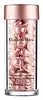 Key Ingredients
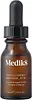
Benefits
Concerns
Ingredients Side-by-side
Cyclopentasiloxane
Emollient
Dimethicone Crosspolymer
Emulsion Stabilising
C12-15 Alkyl Benzoate
AntimicrobialBHT
Antioxidant
C18-36 Acid Triglyceride
EmollientCamellia Sinensis Leaf Extract
Antimicrobial






Ceramide NP
Skin Conditioning

Ceramide Ns
Skin Conditioning
Cyclohexasiloxane
Emollient
Dimethiconol
Emollient
Ethylhexyl Cocoate
Emollient


Helianthus Annuus Seed Oil
Emollient
Lauryl Methacrylate/Glycol Dimethacrylate Crosspolymer
Lecithin
Emollient
Olea Europaea Fruit Oil
Masking
Palmitoyl Tetrapeptide-7
Skin Conditioning


Palmitoyl Tripeptide-1
Skin Conditioning
Persea Gratissima Oil
Skin Conditioning
Phytosphingosine
Skin Conditioning
Phytosterols
Skin Conditioning
Polysorbate 20
Emulsifying
Propylene Glycol Dicaprylate/Dicaprate
EmollientRetinol
Skin Conditioning



Sorbitan Laurate
Emulsifying
Tetrahydrodiferuloylmethane
Antioxidant
Phenoxyethanol
Preservative
Cyclopentasiloxane, Dimethicone Crosspolymer, C12-15 Alkyl Benzoate, BHT, C18-36 Acid Triglyceride, Camellia Sinensis Leaf Extract, Ceramide NP, Ceramide Ns, Cyclohexasiloxane, Dimethiconol, Ethylhexyl Cocoate, Helianthus Annuus Seed Oil, Lauryl Methacrylate/Glycol Dimethacrylate Crosspolymer, Lecithin, Olea Europaea Fruit Oil, Palmitoyl Tetrapeptide-7, Palmitoyl Tripeptide-1, Persea Gratissima Oil, Phytosphingosine, Phytosterols, Polysorbate 20, Propylene Glycol Dicaprylate/Dicaprate, Retinol, Sorbitan Laurate, Tetrahydrodiferuloylmethane, Phenoxyethanol

Reviews
Ingredients Explained
These ingredients are found in both products.
Ingredients higher up in an ingredient list are typically present in a larger amount.
BHT is a synthetic antioxidant and preservative.
As an antioxidant, it helps your body fight off free-radicals. Free-radicals are molecules that may damage your skin cells.
As a preservative, it is used to stabilize products and prevent them from degrading. Specifically, BHT prevents degradation from oxidation.
The concerns related to BHT come from oral studies; this ingredient is currently allowed for use by both the FDA and EU.
However, it was recently restricted for use in the UK as of April 2024.
Learn more about BHTCyclohexasiloxane is a type of silicone more commonly known as D6. It is an emollient and solvent.
Cyclohexasiloxane is used to evenly distribute ingredients throughout the product. When applied to the skin, Cyclohexasiloxane evaporates and leaves behind a silky feel.
As an emollient, it can help the skin feel soft and hydrated. It is also used to reduce frizz in hair products.
Learn more about CyclohexasiloxaneCyclopentasiloxane (D5) is a lightweight silicone that mostly acts as an emollient and solvent in cosmetics. Its the reason your products feel silky, fast-spreading, and non-greasy.
Since D5 is volatile, it does its thing and then evaporates off the skin quickly.
The safety profile of this ingredient is reassuring; the US CIR Expert Panel concluded D5 is safe as used in cosmetics and Health Canada concluded that D5 is not harmful to human health or the environment as currently used in cosmetics
There's a study that people mention about D5 in a rat study showing tumors. This study is related to long-term inhalation of high D5 levels.
Regulatory bodies have judged this study to be not applicable in topical skincare since skin absorption of D5 is very low and we're not really inhaling huge amounts of D5.
The only restriction for this ingredient is environmental. The European Chemicals Agency (ECHA) restricted D5 in wash-off cosmetics at or above 0.1% due to their persistence in water.
Learn more about CyclopentasiloxaneLecithin is a term for a group of substances found in the cell membranes of plants, animals, and humans. They are made up of phospholipids.
Thanks to its amphiphilic structure (water-loving head and oil-loving tail), it is a true multitasker:
It plays well with most ingredients and is typically used at 0.1-1%. However, concentrations up to 50% have been reported in moisturizers.
Learn more about LecithinRetinol is a gold-standard ingredient for anti-aging. It is a form of Vitamin A and belongs to the class of retinoids that also includes tretinoin.
Why is retinol famous?
It has the most scientific studies backing up its skin benefits out of all the non-prescription ingredients.
Retinol is proven to:
This is why retinol is effective at removing wrinkles, fading dark spots, treating acne, and reducing the appearance of pores.
Studies show retinol is less effective when exposed to UV. Be sure to look for appropriate packaging to keep your retinol potent (similar to Vitamin C).
Using retinol or any retinoids will increase sun-sensitivity in the first few months. Though studies show retinoids increase your skin's natural SPF with continuous use, it is best to always wear sunscreen and sun-protection.
We recommend speaking with a medical professional about using this ingredient during pregnancy.
Retinol may cause irritation in some people, so be sure to patch test. Experts recommend 'ramping up' retinol use: start using this ingredient once a week and work up to using it daily.
Read about Tretinoin
Learn more about Retinol
