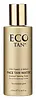
This hydrating toner is formulated around Aloe Barbadensis Leaf Juice and Sodium Hyaluronate to hydrate skin and calm redness.
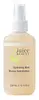
This hydrating toner is formulated around Aloe Barbadensis Leaf Juice and Vitis Vinifera Seed Extract to hydrate skin and calm redness.


What's inside
What's inside
 Key Ingredients
Benefits
Concerns
Ingredients Side-by-side
Aloe Barbadensis Leaf Juice
Skin Conditioning


Dihydroxyacetone
Skin ConditioningGlycerin
Humectant

Caprylyl/Capryl Glucoside
CleansingLeuconostoc/Radish Root Ferment Filtrate
Antimicrobial

Sodium Hyaluronate
Humectant

Pelargonium Graveolens Oil
Masking




Citrus Aurantium Dulcis Peel Oil
Masking
Glyceryl Caprylate
EmollientSodium Cocoyl Glutamate
Cleansing
Dehydroxanthan Gum
Emulsion StabilisingPolyglyceryl-6 Oleate
Emulsifying
Sodium Surfactin
CleansingCitric Acid
Buffering

Limonene
Perfuming
Citronellol
Perfuming
Geraniol
Perfuming
Aloe Barbadensis Leaf Juice, Dihydroxyacetone, Glycerin, Caprylyl/Capryl Glucoside, Leuconostoc/Radish Root Ferment Filtrate, Sodium Hyaluronate, Pelargonium Graveolens Oil, Citrus Aurantium Dulcis Peel Oil, Glyceryl Caprylate, Sodium Cocoyl Glutamate, Dehydroxanthan Gum, Polyglyceryl-6 Oleate, Sodium Surfactin, Citric Acid, Limonene, Citronellol, Geraniol
Aloe Barbadensis Leaf Juice
Skin Conditioning
Vitis Vinifera Juice
Antioxidant
Caprylyl/Capryl Glucoside
CleansingGlycerin
Humectant
Vitis Vinifera Seed Extract
Antimicrobial
Avena Sativa Seed Extract
Skin ConditioningPelargonium Graveolens Oil
Masking
Viola Odorata Oil
Masking
Sodium Cocoyl Glutamate
Cleansing
Glyceryl Caprylate
EmollientPolyglyceryl-6 Oleate
Emulsifying
Sodium Surfactin
CleansingPhenethyl Alcohol
MaskingCaprylhydroxamic Acid
ChelatingTriethyl Citrate
Masking
Sodium Citrate
BufferingPotassium Sorbate
Preservative
Citric Acid
Buffering
Aloe Barbadensis Leaf Juice, Vitis Vinifera Juice, Caprylyl/Capryl Glucoside, Glycerin, Vitis Vinifera Seed Extract, Avena Sativa Seed Extract, Pelargonium Graveolens Oil, Viola Odorata Oil, Sodium Cocoyl Glutamate, Glyceryl Caprylate, Polyglyceryl-6 Oleate, Sodium Surfactin, Phenethyl Alcohol, Caprylhydroxamic Acid, Triethyl Citrate, Sodium Citrate, Potassium Sorbate, Citric Acid
Ingredients Explained
These ingredients are found in both products.
Ingredients higher up in an ingredient list are typically present in a larger amount.
Aloe Barbadensis Leaf Juice is the filtered, stabilized liquid pressed from the inner gel of the aloe vera leaf.
In cosmetics, it shows up as either soothing active or a water-replacement base. It is roughly 98-99% water and the last 1-2% is an interesting mix of polysaccharides, amino acids, vitamins, minerals, and enzymes.
The polysaccharides do most of the work: they bind water at the skin surface for a light, non-greasy hydration boost. And one of the polysaccharides, glycomannan, is linked to fibroblast stimulation + collagen synthesis. This is also why aloe has such a long track record in wound and burn healing.
This ingredient is also calming with anti-inflammatory and mild antimicrobial activity, making it a great pick for sensitive, irritated, or post-sun skin.
Realistic expectations matter though; the solid evidence is mostly limited to hydration, soothing, and wound support. Deeper claims about anti-aging or sun protection are not well backed, and science reviews note it does not prevent radiation-induced skin injury.
Because it plays well with almost everything, it's commonly used as a base alongside other actives like niacinamide or vitamin C.
Typical usage concentrations range from 0.5% (where hydration benefits already show up) all the way to 90%+ (where it replaces water as the main base).
The safety for this ingredient is well-establish as well. Overall, this is a great supporting ingredient for those who want a boost in hydration.
Learn more about Aloe Barbadensis Leaf JuiceThis ingredient is a mild surfactant made by sticking glucose onto a blend of fatty acids.
It does two jobs because it has a sugar head that loves water and a fatty tail that loves oil:
Typical use levels range from 10-20% in cleansers and 15-30% in shower products.
Once on your skin, your skin's glucoside hydrolases breaks it down into glucose and the parent fatty alcohols.
This ingredient is considered fungal acne safe because its fatty alcohol portion sits outside the Malassezia yeast's metabolization range.
Learn more about Caprylyl/Capryl GlucosideCitric Acid is an alpha hydroxy acid (AHA) naturally found in citrus fruits like oranges, lemons, and limes.
Like other AHAs, citric acid can exfoliate skin by breaking down the bonds that hold dead skin cells together. This helps reveal smoother and brighter skin underneath.
However, this exfoliating effect only happens at high concentrations (20%) which can be hard to find in cosmetic products.
Due to this, citric acid is usually included in small amounts as a pH adjuster. This helps keep products slightly more acidic and compatible with skin's natural pH.
In skincare formulas, citric acid can:
While it can provide some skin benefits, research shows lactic acid and glycolic acid are generally more effective and less irritating exfoliants.
Most citric acid used in skincare today is made by fermenting sugars (usually from molasses). This synthetic version is identical to the natural citrus form but easier to stabilize and use in formulations.
Rosacea skin has a lower threshold for acids generally, with 62.5% of rosacea subjects in one study reacting to lactic acid in a sting test. This is why we mark citric acid as a potential rosacea trigger.
However, this ingredient shows up as a pH adjuster or chelator at roughly 0.1-1% in many products. These low levels are unlikely to be an issue for rosacea skin and becomes a potential trigger at exfoliating concentrations (20%). Because everybody's skin is unique, we recommend a patch test if you are unsure.
Learn more about Citric AcidGlycerin (or glycerol) is a compound naturally found in your skin. It's a powerhouse humectant that pulls water into the stratum corneum.
Topically, glycerin does several things at once:
Your skin makes glycerin on its own (mostly from sebaceous oil breakdown) and shuttles it to your outermost layer of skin, or your epidermis, via aquaporin-3.
Aquaporin-3 is a transporter that is essential for normal skin hydration, elasticity, and repair. Interestingly, mice lacking in AQP3 have dry and less elastic skin that can be fully corrected with glycerin.
This ingredient is non-irritating, plays well with almost every ingredient, and works across all skin types. Typical use is anywhere between 3-10% but can go up to 79% in some leave-on products.
Just know very high concentrations (>40%) can feel tacky in low humidity.
Glycerin is the name for this ingredient in American English. British English uses Glycerol/Glycerine.
Learn more about GlycerinGlyceryl Caprylate comes from glycerin and caprylic acid. It is an emollient, co-emulsifier, and preservative booster.
Its short C8 fatty acid chain makes it behave differently from its longer-chain emollient cousins like Glyceryl Stearate. It feels more lightweight, fast-absorbing, and silky instead of rich and waxy.
As a co-emulsifier, its "head" and "tail" sit at the oil-water interface. But overall, the short C8 tail and not being water soluble means it doesn't really have the muscle to emulsify a formula on its own. That's why you'll often see it paired with a primary emulsifier like Cetearyl Glucoside.
Interestingly, Glyceryl Caprylate acts as a preservative booster. This is because its fatty-acid backbone disrupts microbial lipid membranes. It shows excellent activity against bacteria and yeast but is weaker against mold.
Typical concentrations range from 0.5-1% and this ingredient is generally non-irritating.
Because this ingredient has a C8 fatty acid chain, it is outside the range that the Malassezia yeast metabolizes (making it fungal acne safe).
Learn more about Glyceryl CaprylatePelargonium Graveolens Oil is the pressed oil of the Rose Geranium plant. It has perfuming and masking properties.
This ingredient contains citronellol and geraniol. These compounds may cause allergies and skin-sensitivity.
The scent of Rose Geranium closely resembles. you guessed it: roses.
Learn more about Pelargonium Graveolens OilPolyglyceryl-6 Oleate isn't fungal acne safe.
Sodium Cocoyl Glutamate is a gentle cleanser and surfactant. It is the sodium salt of the Cocoyl Glutamic Acid and comes from coconut oil. As a surfactant, it helps lift dirt and oil to be washed away.
Sodium Cocoyl Glutamate also has an emolliating effect and can help leave the skin feeling soft.
We don't have a description for Sodium Surfactin yet.


