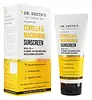
This hybrid sunscreen covers the full UV range and blocks ~98% of UVB at SPF 50.
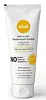
This chemical sunscreen covers the full UV range and blocks ~97% of UVB at SPF 30.

What's inside
What's inside
 Key Ingredients
Benefits
Concerns
No concerns
Ingredients Side-by-side
Cyclopentasiloxane
Emollient
Dimethicone/Vinyl Dimethicone Crosspolymer
Skin Conditioning
Ethylhexyl Methoxycinnamate
UV Absorber


Caprylyl Methicone
Skin Conditioning
PEG-12 Dimethicone/PPG-20 Crosspolymer
C12-15 Alkyl Benzoate
AntimicrobialZinc Oxide
Cosmetic Colorant
Triethoxycaprylylsilane
Diethylhexyl Butamido Triazone
UV Absorber
Diethylamino Hydroxybenzoyl Hexyl Benzoate
UV Filter
Niacinamide
Smoothing










Tapioca Starch
Polymethylsilsesquioxane
Titanium Dioxide
Cosmetic Colorant
Alumina
Abrasive
Simethicone
Emollient
Bis-Ethylhexyloxyphenol Methoxyphenyl Triazine
UV Absorber
Dicaprylyl Carbonate
EmollientCentella Asiatica Extract
Cleansing
Diethylhexyl Syringylidenemalonate
Skin Protecting
Caprylic/Capric Triglyceride
Masking

Cyclopentasiloxane, Dimethicone/Vinyl Dimethicone Crosspolymer, Ethylhexyl Methoxycinnamate, Caprylyl Methicone, PEG-12 Dimethicone/PPG-20 Crosspolymer, C12-15 Alkyl Benzoate, Zinc Oxide, Triethoxycaprylylsilane, Diethylhexyl Butamido Triazone, Diethylamino Hydroxybenzoyl Hexyl Benzoate, Niacinamide, Tapioca Starch, Polymethylsilsesquioxane, Titanium Dioxide, Alumina, Simethicone, Bis-Ethylhexyloxyphenol Methoxyphenyl Triazine, Dicaprylyl Carbonate, Centella Asiatica Extract, Diethylhexyl Syringylidenemalonate, Caprylic/Capric Triglyceride




Reviews
Ingredients Explained
These ingredients are found in both products.
Ingredients higher up in an ingredient list are typically present in a larger amount.
This ingredient is better known as bemotrizinol or Tinosorb S and is one of the best broad-spectrum UV filters in modern sunscreen.
It works by absorbing UV light across a whole range (280-400 nm) with peaks around 310 nm (UVB) and 340-345 nm (UVA). This means it covers UVB plus the deeper UVA wavelengths that drive photoaging and pigmentation.
Another pro?
It's exceptionally photostable, barely degrades in sunlight, and acts as a "bodyguard" for less stable filters.
That's why you'll see it paired with avobenzone or octinoxate; this team up ensures they keep working through sun exposure.
Safety reviews have been reassuring across the board. This ingredient shows low absorption through the skin, rarely irritates, and lab studies found it doesn't act like a hormone in the body (a concern that's been raised about some older sunscreen filters).
On maximum concentrations:
In 2026, the US F.D.A finally added it as an OTC sunscreen ingredient at concentrations up to 6% for adults / children 6 months and older
Learn more about Bis-Ethylhexyloxyphenol Methoxyphenyl Triazine

