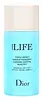
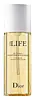
Dior Hydra Life Triple Impact Makeup Remover Versus Dior Hydra Life Oil To Milk Makeup Removing Cleanser
This micellar makeup remover is made to dissolve makeup, sunscreen, and daily buildup.
This oil-based makeup remover is made to dissolve makeup, sunscreen, and daily buildup.

What's inside
What's inside
 Key Ingredients
Benefits
Concerns
Ingredients Side-by-side
Water
Skin ConditioningButylene Glycol
Humectant

Poloxamer 184
EmulsifyingPhenoxyethanol
Preservative
Sodium Trideceth Sulfate
Cleansing
Sodium Lauroamphoacetate
CleansingSodium Citrate
BufferingDipotassium Glycyrrhizate
Humectant

Hexylene Glycol
EmulsifyingSodium Chloride
MaskingCitric Acid
Buffering


Isopropyl Alcohol
Solvent



Lilium Candidum Bulb Extract
Skin ConditioningPotassium Ascorbyl Tocopheryl Phosphate
Antioxidant

CI 42090
Cosmetic ColorantCamellia Sinensis Leaf Extract
Antimicrobial


Hydrogenated Polyisobutene
EmollientParaffinum Liquidum
Emollient

Tocopherol
Antioxidant

Water, Butylene Glycol, Poloxamer 184, Phenoxyethanol, Sodium Trideceth Sulfate, Sodium Lauroamphoacetate, Sodium Citrate, Dipotassium Glycyrrhizate, Hexylene Glycol, Sodium Chloride, Citric Acid, Isopropyl Alcohol, Lilium Candidum Bulb Extract, Potassium Ascorbyl Tocopheryl Phosphate, CI 42090, Camellia Sinensis Leaf Extract, Hydrogenated Polyisobutene, Paraffinum Liquidum, Tocopherol





Ingredients Explained
These ingredients are found in both products.
Ingredients higher up in an ingredient list are typically present in a larger amount.
Tocopherol is a fat-soluble antioxidant known as Vitamin E.
You'll find this ingredient in the vast majority of skincare (for good reason). It works to neutralize free radicals, or unstable molecules generated by UV exposure, pollution, and other environmental stressors, before they can cause oxidative damage to your skin cells.
Topically applied tocopherol has been shown to protect against UV damage by ramping up the skin's own natural defense enzymes.
It also acts as a skin conditioning agent; some studies show that regular topical use can improve the skin's water-binding capacity over 2-4 weeks.
This ingredient is especially loved for being a team player. When combined with Vitamin C, the photoprotective effect of both ingredients roughly doubles and the combo also helps reduce UV-induced DNA damage.
This ingredient has some brightening potential but it's more of a prevention ingredient than spot-fader. Cell studies show it can slow down melanin production but it's worth noting that it's not the most powerful brightener out there.
In formulations, it also serves as a stabilizer that helps protect other oxidation-prone ingredients from degrading.
Concentrations usually range from 0.1-1% in most leave-on products.
Learn more about Tocopherol

