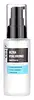
This hydrating ampoule is formulated around Sodium Hyaluronate and Aloe Barbadensis Leaf Extract to hydrate skin and calm redness.

What's inside
What's inside
 Key Ingredients
Benefits
Concerns
Ingredients Side-by-side
Water
Skin ConditioningSodium Hyaluronate
Humectant




Glycerin
Humectant
Sodium Polyacrylate
Absorbent
Pvm/Ma Copolymer
Emulsion StabilisingGlyceryl Acrylate/Acrylic Acid Copolymer
HumectantPropylene Glycol
Humectant

Butylene Glycol
Humectant
1,2-Hexanediol
Skin Conditioning
PEG/PPG-18/4 Copolymer
SolventAloe Barbadensis Leaf Extract
Emollient
Hydrolyzed Collagen
Emollient
Carbomer
Emulsion StabilisingPanthenol
Skin Conditioning
Allantoin
Skin Conditioning
Triethanolamine
BufferingXanthan Gum
EmulsifyingDisodium EDTA
Ethylhexylglycerin
Skin ConditioningWater, Sodium Hyaluronate, Glycerin, Sodium Polyacrylate, Pvm/Ma Copolymer, Glyceryl Acrylate/Acrylic Acid Copolymer, Propylene Glycol, Butylene Glycol, 1,2-Hexanediol, PEG/PPG-18/4 Copolymer, Aloe Barbadensis Leaf Extract, Hydrolyzed Collagen, Carbomer, Panthenol, Allantoin, Triethanolamine, Xanthan Gum, Disodium EDTA, Ethylhexylglycerin
Citrus Natsudaidai Peel Extract 87%
HumectantHamamelis Virginiana Water
Astringent

Propanediol
Solvent
Salix Nigra Bark Extract 2%
Skin ProtectingSodium Hyaluronate
Humectant
Aloe Barbadensis Leaf Extract
Emollient
Bioflavonoids
Skin ConditioningBrassica Oleracea Italica Extract
AstringentBetaine
Humectant
Sodium Phytate
Zanthoxylum Piperitum Fruit Extract
Skin ConditioningPulsatilla Koreana Extract
Skin ConditioningUsnea Barbata Extract
Copper Gluconate
Skin Conditioning
Citrus Natsudaidai Peel Extract 87%, Hamamelis Virginiana Water, Propanediol, Salix Nigra Bark Extract 2%, Sodium Hyaluronate, Aloe Barbadensis Leaf Extract, Bioflavonoids, Brassica Oleracea Italica Extract, Betaine, Sodium Phytate, Zanthoxylum Piperitum Fruit Extract, Pulsatilla Koreana Extract, Usnea Barbata Extract, Copper Gluconate
Reviews
Ingredients Explained
These ingredients are found in both products.
Ingredients higher up in an ingredient list are typically present in a larger amount.
Aloe Barbadensis Leaf Extract is a botanical extract pulled from the leaves of aloe vera and one of the most studied plant ingredients in cosmetics.
The inner leaf gel it comes from is mostly water (~99-99.5%) and the remaining fraction is made up of pretty good stuff: polysaccharides, vitamins, phenolics, and enzymes.
Its headline job is hydration.
The star polysaccharide in aloe, acemannan, is a humectant that retains moisture and helps reduce trans-epidermal water loss.
Aloe also has real soothing credentials; it contains anti-inflammatory compounds like bradykinase and C-glucosyl chromone that help calm irritation and redness.
On the repair side, lab work shows that acemannan wakes up your skin's repair cells (fibroblasts), prompting them to multiply and speed up healing.
There's some human data for cosmetic benefit too: a cream containing 10% Aloe Barbadensis leaf extract improved skin hydration and elasticity in a real-use study.
Safety-wise, this ingredient is well-regarded with just one rare downside; there have been some case reports of acute eczema, contact urticaria, and dermatitis in people who applied aloe-derived ingredients topically. Those with a known aloe or Liliaceae sensitivity should patch test.
Typical use levels range widely, from under 1% up to 90%+ depending on the format and the effect you are after.
Learn more about Aloe Barbadensis Leaf ExtractSodium Hyaluronate is the salt form of hyaluronic acid. It is a long sugar chain that is naturally found in your skin, joints, and connective tissue that maintains hydration and elasticity.
In skincare, it works as a humectant. It pulls water from the environment and deeper layers of skin and binds it to the surface.
Interestingly, the size of the molecule affects its behavior:
Some clinical evidence links low molecular weight versions to improved wrinkle depth, elasticity, anti-inflammatory effects, and barrier repair.
Many serums use a blend of both weights so you can get surface hydration plus longer-lasting and deeper effects.
You'll typically see concentrations between 0.1-2% for this ingredient.
Learn more about Sodium Hyaluronate

