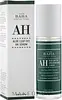
This hydrating serum is formulated around Aloe Barbadensis Leaf Extract and Sodium Hyaluronate to hydrate skin and calm redness.
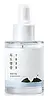
This hydrating ampoule is formulated around Hydrolyzed Hyaluronic Acid and Panthenol to hydrate skin and strengthen the skin barrier.

What's inside
What's inside
 Key Ingredients
Benefits
Concerns
No concerns
Ingredients Side-by-side
Water
Skin ConditioningButylene Glycol
Humectant

Glycerin
Humectant
Dipropylene Glycol
HumectantPropanediol
Solvent
1,2-Hexanediol
Skin Conditioning
Sea Water
HumectantHydrolyzed Hyaluronic Acid
Humectant

Hydrolyzed Collagen
Emollient
Panthenol
Skin Conditioning

Chondrus Crispus Extract
Skin Conditioning

Saccharum Officinarum Extract
MoisturisingTromethamine
BufferingEthylhexylglycerin
Skin ConditioningCaprylic/Capric Triglyceride
Masking
Betaine
Humectant
Dipotassium Glycyrrhizate
Humectant
Glyceryl Glucoside
Humectant
Hydrogenated Lecithin
Emulsifying
Ceramide NP
Skin Conditioning
Tocopherol
Antioxidant



Carbomer
Emulsion StabilisingXanthan Gum
EmulsifyingWater, Butylene Glycol, Glycerin, Dipropylene Glycol, Propanediol, 1,2-Hexanediol, Sea Water, Hydrolyzed Hyaluronic Acid, Hydrolyzed Collagen, Panthenol, Chondrus Crispus Extract, Saccharum Officinarum Extract, Tromethamine, Ethylhexylglycerin, Caprylic/Capric Triglyceride, Betaine, Dipotassium Glycyrrhizate, Glyceryl Glucoside, Hydrogenated Lecithin, Ceramide NP, Tocopherol, Carbomer, Xanthan Gum
Reviews
Ingredients Explained
These ingredients are found in both products.
Ingredients higher up in an ingredient list are typically present in a larger amount.
1,2-Hexanediol is a synthetic liquid and another multi-functional powerhouse.
It is a:
- Humectant, drawing moisture into the skin
- Emollient, helping to soften skin
- Solvent, dispersing and stabilizing formulas
- Preservative booster, enhancing the antimicrobial activity of other preservatives
Betaine is a humectant. Like hyaluronic acid, it helps attract and retain moisture in the skin. It’s known for being gentle and for helping the skin maintain balanced hydration.
Betaine is mainly used to improve hydration and support calmer skin. It helps skin cells regulate water balance because it functions as an osmolyte.
Some studies suggest betaine may support making skin tone more even.
Fun fact: Betaine naturally exists in the skin and the body. In cosmetic products, it can be either plant-derived (most commonly from sugar beets) or synthetically produced for consistency and stability.
Betaine is also known as trimethylglycine.
Learn more about Betaine

