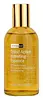
This calming essence is formulated around Salix Alba Bark Extract and Schisandra Chinensis Fruit Extract to calm redness and clear breakouts.
This calming essence is formulated around Salix Alba Bark Extract and Schisandra Chinensis Fruit Extract to calm redness and clear breakouts.

What's inside
What's inside
 Key Ingredients
Benefits
Concerns
Ingredients Side-by-side
Water
Skin ConditioningSalix Alba Bark Extract 10%
Astringent


Centaurea Cyanus Flower Water 9%
Skin Conditioning
Schisandra Chinensis Fruit Extract 9%
Skin Conditioning
Morus Alba Bark Extract 8.7%
Skin ConditioningNelumbo Nucifera Leaf Extract 8.7%
Skin ConditioningMethylpropanediol
SolventGlycerin
Humectant


Saccharomyces/Honey Ferment Filtrate
Skin Conditioning

Saccharomyces/Xylinum/Black Tea Ferment
Skin Conditioning
1,2-Hexanediol
Skin Conditioning
Propolis Extract 1%
Skin Conditioning

Butylene Glycol
Humectant
Benzyl Glycol
SolventHydroxyethylcellulose
Emulsion StabilisingCitric Acid
Buffering

Sodium Citrate
BufferingDisodium EDTA
ChelatingEthylhexylglycerin
Skin ConditioningWater, Salix Alba Bark Extract 10%, Centaurea Cyanus Flower Water 9%, Schisandra Chinensis Fruit Extract 9%, Morus Alba Bark Extract 8.7%, Nelumbo Nucifera Leaf Extract 8.7%, Methylpropanediol, Glycerin, Saccharomyces/Honey Ferment Filtrate, Saccharomyces/Xylinum/Black Tea Ferment, 1,2-Hexanediol, Propolis Extract 1%, Butylene Glycol, Benzyl Glycol, Hydroxyethylcellulose, Citric Acid, Sodium Citrate, Disodium EDTA, Ethylhexylglycerin
Water
Skin ConditioningSalix Alba Bark Extract 10%
Astringent
Centaurea Cyanus Flower Water 9%
Skin Conditioning
Schisandra Chinensis Fruit Extract 9%
Skin Conditioning
Morus Alba Bark Extract 8.7%
Skin ConditioningNelumbo Nucifera Leaf Extract 8.7%
Skin ConditioningMethylpropanediol
SolventGlycerin
Humectant
Saccharomyces/Honey Ferment Filtrate
Skin Conditioning
Saccharomyces/Xylinum/Black Tea Ferment
Skin Conditioning
1,2-Hexanediol
Skin Conditioning
Propolis Extract 1%
Skin Conditioning
Butylene Glycol
Humectant
Benzyl Glycol
SolventHydroxyethylcellulose
Emulsion StabilisingCitric Acid
Buffering
Sodium Citrate
BufferingDisodium EDTA
ChelatingEthylhexylglycerin
Skin ConditioningWater, Salix Alba Bark Extract 10%, Centaurea Cyanus Flower Water 9%, Schisandra Chinensis Fruit Extract 9%, Morus Alba Bark Extract 8.7%, Nelumbo Nucifera Leaf Extract 8.7%, Methylpropanediol, Glycerin, Saccharomyces/Honey Ferment Filtrate, Saccharomyces/Xylinum/Black Tea Ferment, 1,2-Hexanediol, Propolis Extract 1%, Butylene Glycol, Benzyl Glycol, Hydroxyethylcellulose, Citric Acid, Sodium Citrate, Disodium EDTA, Ethylhexylglycerin
Reviews
Ingredients Explained
These ingredients are found in both products.
Ingredients higher up in an ingredient list are typically present in a larger amount.
1,2-Hexanediol is a synthetic liquid and another multi-functional powerhouse.
It is a:
- Humectant, drawing moisture into the skin
- Emollient, helping to soften skin
- Solvent, dispersing and stabilizing formulas
- Preservative booster, enhancing the antimicrobial activity of other preservatives
We don't have a description for Benzyl Glycol yet.
Butylene Glycol (or BG) is used within cosmetic products for a few different reasons:
Overall, Butylene Glycol is a safe and well-rounded ingredient that works well with other ingredients.
Though this ingredient works well with most skin types, some people with sensitive skin may experience a reaction such as allergic rashes, closed comedones, or itchiness.
Learn more about Butylene GlycolCentaurea Cyanus Flower Water is created using the cornflower, Centaurea cyanus. The cornflower is a blue flowering plant native to Europe.
Cornflowers contain antioxidant and anti-inflammatory properties. It contains high amounts of anxiotidants such as Vitamin C. They also contain flavonoids and anthocyanins.
Cornflowers have been used in traditional European medicine to treat eye inflammation.
Fun fact: Cornflowers were used to determine if love was returned. Young men would wear cornflowers and if the color faded quickly, it meant the love was not reciprocated.
Learn more about Centaurea Cyanus Flower WaterCitric Acid is an alpha hydroxy acid (AHA) naturally found in citrus fruits like oranges, lemons, and limes.
Like other AHAs, citric acid can exfoliate skin by breaking down the bonds that hold dead skin cells together. This helps reveal smoother and brighter skin underneath.
However, this exfoliating effect only happens at high concentrations (20%) which can be hard to find in cosmetic products.
Due to this, citric acid is usually included in small amounts as a pH adjuster. This helps keep products slightly more acidic and compatible with skin's natural pH.
In skincare formulas, citric acid can:
While it can provide some skin benefits, research shows lactic acid and glycolic acid are generally more effective and less irritating exfoliants.
Most citric acid used in skincare today is made by fermenting sugars (usually from molasses). This synthetic version is identical to the natural citrus form but easier to stabilize and use in formulations.
Rosacea skin has a lower threshold for acids generally, with 62.5% of rosacea subjects in one study reacting to lactic acid in a sting test. This is why we mark citric acid as a potential rosacea trigger.
However, this ingredient shows up as a pH adjuster or chelator at roughly 0.1-1% in many products. These low levels are unlikely to be an issue for rosacea skin and becomes a potential trigger at exfoliating concentrations (20%). Because everybody's skin is unique, we recommend a patch test if you are unsure.
Learn more about Citric AcidDisodium EDTA is a chelating agent. It grabs onto and deactivates metal ions that sneak into your products from water, packaging, or air.
This ingredient mainly works behind the scenes and helps with:
On top of that, this ingredient can counteract the effects of hard water by binding to the minerals in it.
One thing worth knowing is that Disodium EDTA has been shown to be a mild penetration enhancer. It can help other ingredients absorb into skin more effectively which can be a double-edged sword (great for actives, but can also make the active too strong if you have sensitive skin).
Clinical patch testing showed no significant skin irritation at typical use concentrations and minimal dermal absorption.
You'll most likely see this ingredient near the end of an ingredient list. It's typically found in concentrations less than 1%.
Learn more about Disodium EDTAEthylhexylglycerin is created from glycerin. It is a multitasker ingredient that:
The CIR Expert Panel found minimal skin absorption or sensitization of any kind in a safety assessment. Though this ingredient is considered well-tolerated, a small number of cases of allergic dermatitis have been published since 2002. Just be sure to patch test if you are unsure.
Industry-reported use ranges from 8% in rinse-off products and 2% in leave-on formulations.
Learn more about EthylhexylglycerinGlycerin (or glycerol) is a compound naturally found in your skin. It's a powerhouse humectant that pulls water into the stratum corneum.
Topically, glycerin does several things at once:
Your skin makes glycerin on its own (mostly from sebaceous oil breakdown) and shuttles it to your outermost layer of skin, or your epidermis, via aquaporin-3.
Aquaporin-3 is a transporter that is essential for normal skin hydration, elasticity, and repair. Interestingly, mice lacking in AQP3 have dry and less elastic skin that can be fully corrected with glycerin.
This ingredient is non-irritating, plays well with almost every ingredient, and works across all skin types. Typical use is anywhere between 3-10% but can go up to 79% in some leave-on products.
Just know very high concentrations (>40%) can feel tacky in low humidity.
Glycerin is the name for this ingredient in American English. British English uses Glycerol/Glycerine.
Learn more about GlycerinHydroxyethylcellulose is used to improve the texture of products. It is created from a chemical reaction involving ethylene oxide and alkali-cellulose. Cellulose is a sugar found in plant cell walls and help give plants structure.
This ingredient helps stabilize products by preventing ingredients from separating. It can also help thicken the texture of a product.
This ingredient can also be found in pill medicines to help our bodies digest other ingredients.
Learn more about HydroxyethylcelluloseMethylpropanediol is a synthetic solvent and humectant.
As a solvent, it helps dissolve other ingredients, helping to evenly distribute ingredients throughout the product. This ingredient has also been shown to have antimicrobial properties which makes it a preservative booster.
Methylpropanediol is able to add a bit of moisture to the skin. It also helps other ingredients be better absorbed into the skin, such as salicylic acid.
Learn more about MethylpropanediolWe don't have a description for Morus Alba Bark Extract yet.
This ingredient comes from the leaves of the lotus plant. It has skin conditioning properties.
Research shows lotus leaf contains antioxidants that help protect skin from things like UV exposure and pollution. In animal studies, this ingredient has been shown to help calm inflammation and reduce excess melanin production.
Propolis Extract is a natural ingredient derived from propolis (also known as bee glue). Bees make propolis by mixing their saliva and beeswax with resins collected from tree buds and plants.
This ingredient is packed with bioactive compounds like flavonoids, phenolic acids, and amino acids that give it antioxidant and anti-inflammatory properties.
Research shows it can help:
It also pairs nicely with hydrating ingredients like niacinamide and ceramides.
Just so you know, Propolis Extract is recognized as a contact allergen. In patch tests done in the EU, roughly 1-6% of patients react to it. Be sure to steer clear of this ingredient if you have a known allergy to bee products.
Since it is an animal-derived product, this ingredient is not considered vegan. For vegan alternatives, check out Galactomyces Ferment Filtrate or Centella Asiatica Extract.
Learn more about Propolis ExtractSaccharomyces/Honey Ferment Filtrate isn't fungal acne safe.
This combination of bacteria + black tea + fermentation = kombucha.
According to a manufacturer, this ingredient helps boost radiance, smoothness, and thickens skin.
You can read about the skin benefits of the individual parts here:
Saccharomyces
Black tea
Salix Alba Bark Extract comes from the bark of the white willow tree. The official CosIng listing states this ingredient to have astringent, skin conditioning, soothing, and tonic properties.
Its star compound is salicin, a natural glucoside that is chemically related to salicylic acid. That's why you'll often see it marketed as a "natural BHA alternative" but that's a bit of a stretch.
Your skin can't convert salicin to salicylic acid because it needs specific enzymes that aren't present on the skin's surface. It won't behave like true salicylic acid, especially at the concentrations used in cosmetics.
However, this ingredient has its own perks. It contains flavonoids, polyphenols, and tannins that give it proven antioxidant and soothing properties.
An 8-week clinical study found a cream with 2% of this extract improved skin microcirculation, elasticity, and dark circles. This is most likely due to its role in increasing hyaluronic acid synthesis in fibroblasts and improved vascular integrity.
Another study found a topical serum with 0.5% salicin showed improvements in visible signs of aging, hyperpigmentation, and texture.
Just be careful if you have a known aspirin/salicylate allergy and be sure to consult with a medical professional about using this ingredient if you do.
Fun fact: Willow Bark extract has been used for thousands of years and ancient civilizations used white willow to help treat pain and fevers.
Learn more about Salix Alba Bark ExtractThis ingredient comes from the "five-flavor" berry native to northeast Asia. It has skin conditioning properties and is rich in antioxidants.
In lab models, this ingredient displays antioxidant effects in keratinocytes (the main cells in the epidermis). Some studies also report tyrosinase inhibiting or skin brightening activity.
One study using reconstructed human epidermis found this ingredient to help counter pollution-like inflammatory signaling in skin exposed to urban dust.
Learn more about Schisandra Chinensis Fruit ExtractSodium Citrate is the sodium salts of citric acid. In skincare, it is used to alter pH levels and acts as a preservative.
Its main functions are to maintain the pH of a product and neutralize metal ions.
The acidity of our skin is maintained by our glands and skin biome; normal pH level of skin is slightly acidic (~4.75-5.5).
Being slightly acidic allows our skin to create an "acid mantle". This acid mantle is a thin barrier that protects our skin from bacteria and contaminants.
Learn more about Sodium CitrateWater. It's the most common cosmetic ingredient of all. You'll usually see it at the top of ingredient lists, meaning that it makes up the largest part of the product.
So why is it so popular? Water most often acts as a solvent - this means that it helps dissolve other ingredients into the formulation.
You'll also recognize water as that liquid we all need to stay alive. If you see this, drink a glass of water. Remember to stay hydrated!
Learn more about Water

