This hydrating oil is formulated around Glycine Soja Oil and Simmondsia Chinensis Seed Oil to hydrate skin and fade the look of dark spots.
This hydrating oil is formulated around Vitis Vinifera Seed Oil and Simmondsia Chinensis Seed Oil to hydrate skin and calm redness.


What's inside
What's inside
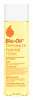 Key Ingredients
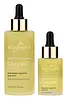
No key ingredients
Benefits
Concerns
Ingredients Side-by-side
Glycine Soja Oil
Emollient








Helianthus Annuus Seed Oil
Emollient
Carthamus Tinctorius Seed Oil
Masking
Simmondsia Chinensis Seed Oil
Emollient

Salvia Hispanica Seed Oil
Emollient
Punica Granatum Seed Oil
Emollient
Plukenetia Volubilis Seed Oil
Emollient
Triticum Vulgare Germ Oil
Emollient
Rosa Canina Fruit Oil
Emollient
Calendula Officinalis Extract
Skin Conditioning
Lavandula Angustifolia Oil
Masking



Rosmarinus Officinalis Leaf Oil
Masking
Anthemis Nobilis Flower Oil
Masking
Pogostemon Cablin Leaf Oil
Masking
Bisabolol
Antioxidant
Tocopherol
Antioxidant


Glycine Soja Oil, Helianthus Annuus Seed Oil, Carthamus Tinctorius Seed Oil, Simmondsia Chinensis Seed Oil, Salvia Hispanica Seed Oil, Punica Granatum Seed Oil, Plukenetia Volubilis Seed Oil, Triticum Vulgare Germ Oil, Rosa Canina Fruit Oil, Calendula Officinalis Extract, Lavandula Angustifolia Oil, Rosmarinus Officinalis Leaf Oil, Anthemis Nobilis Flower Oil, Pogostemon Cablin Leaf Oil, Bisabolol, Tocopherol

Reviews
Ingredients Explained
These ingredients are found in both products.
Ingredients higher up in an ingredient list are typically present in a larger amount.
Plukenetia Volubilis Seed Oil (aka sacha inchi oil) is a plant oil that is 80-90% polyunsaturated fatty acids. These fatty acids are split pretty evenly between alpha-linoleic acid and linoleic acid.
On skin, it is an emollient and barrier helper since linoleic acid feeds into your skin's own lipid barrier.
A 14 day human study found its moisturizing performance matched olive oil and tested as mild/low irritation on skin tissue.
It also showed gentle anti-inflammatory + antioxidant activity, plus the ability to stop Staphylococcus aureus (a bacteria tied to breakouts and eczema flares) from sticking to skin.
The concentration for this oil is flexible and can range from a few percent in serums up to 100% as a facial oil.
Since this ingredient is a triglyceride oil loaded with fatty acids that Malassezia can feed on, it may not be fungal acne safe.
Allergy-wise, the risk is low. Despite having the nicknames "Inca peanut" or "mountain peanut", this ingredient is not actually a peanut or tree nut. However, allergy to the seeds does exist so patch test if your skin is reactive.
Learn more about Plukenetia Volubilis Seed OilJojoba oil is one of the most well-studied plant-derived ingredients in cosmetics. It is an emollient with a special structure.
Because it is made up of 97-98% wax esters, it closely mirrors the linear monoesters found in human sebum. This makes it skin compatible, non-greasy, and lightweight.
Unlike other plant oils, jojoba wax doesn't easily penetrate skin. It mostly works in the uppermost layers as an emollient. This just means it forms a light barrier on the skin to help retain moisture.
Formulations with jojoba esters up to 90% reduced transepidermal water loss (TEWL) and increased barrier recovery by 81% (outperforming bisabolol at 47%).
Besides barrier support, the science also suggests jojoba to have anti-inflammatory effects and potential applications for skin infections, aging, and wound healing.
Fun fact: Indigenous cultures have used jojoba as a moisturizer and to help treat burns for centuries.
Fungal acne: The Malassezia yeast is known to metabolize fatty acids in the C11-24 range and jojoba's dominant fatty acid components fall into this range. This ingredient may not be fungal acne safe.
Learn more about Simmondsia Chinensis Seed Oil

