This pore-care serum is formulated around Niacinamide to refine the look of pores and refine skin texture.
This calming ampoule is formulated around Centella Asiatica Extract and Saccharomyces Ferment Filtrate to calm redness and strengthen the skin barrier.

What's inside
What's inside
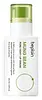 Key Ingredients
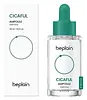
Benefits
Concerns
Ingredients Side-by-side
Water
Skin ConditioningGlycerin
Humectant


Dipropylene Glycol
HumectantNiacinamide
Smoothing









Xylitol
Humectant
1,2-Hexanediol
Skin Conditioning
Butylene Glycol
Humectant
Hydroxyacetophenone
Antioxidant
Acrylates/C10-30 Alkyl Acrylate Crosspolymer
Emulsion StabilisingVigna Radiata Seed Extract
Skin ConditioningTromethamine
BufferingEthylhexylglycerin
Skin ConditioningHydrolyzed Gardenia Florida Extract
Antioxidant
Hydrolyzed Malt Extract
Skin ConditioningHydrolyzed Viola Tricolor Extract
Skin ProtectingMenthoxypropanediol
Masking

Adenosine
Skin Conditioning
Trisodium Ethylenediamine Disuccinate
Pentylene Glycol
Skin Conditioning
Glyceryl Glucoside
Humectant
Punica Granatum Flower Extract
Skin Conditioning
Dextrin
AbsorbentHyaluronic Acid
Humectant
Gardenia Florida Fruit Extract
Skin ConditioningPhaseolus Radiatus Seed Extract
Skin ConditioningAnanas Sativus Fruit Extract
Skin ConditioningMalus Domestica Fruit Extract
Antioxidant
Prunus Persica Fruit Extract
Abrasive
Vaccinium Angustifolium Fruit Extract
Skin Protecting
Glycogen
HumectantAcetyl Hexapeptide-8
Humectant
Water, Glycerin, Dipropylene Glycol, Niacinamide, Xylitol, 1,2-Hexanediol, Butylene Glycol, Hydroxyacetophenone, Acrylates/C10-30 Alkyl Acrylate Crosspolymer, Vigna Radiata Seed Extract, Tromethamine, Ethylhexylglycerin, Hydrolyzed Gardenia Florida Extract, Hydrolyzed Malt Extract, Hydrolyzed Viola Tricolor Extract, Menthoxypropanediol, Adenosine, Trisodium Ethylenediamine Disuccinate, Pentylene Glycol, Glyceryl Glucoside, Punica Granatum Flower Extract, Dextrin, Hyaluronic Acid, Gardenia Florida Fruit Extract, Phaseolus Radiatus Seed Extract, Ananas Sativus Fruit Extract, Malus Domestica Fruit Extract, Prunus Persica Fruit Extract, Vaccinium Angustifolium Fruit Extract, Glycogen, Acetyl Hexapeptide-8
Centella Asiatica Extract 84.28%
Cleansing
Glycerin
Humectant
Methyl Gluceth-20
Humectant
Polyglycerin-3
Humectant
Pentylene Glycol
Skin Conditioning
Saccharomyces Ferment Filtrate
Humectant
1,2-Hexanediol
Skin Conditioning
Acrylates/C10-30 Alkyl Acrylate Crosspolymer
Emulsion StabilisingAnthemis Nobilis Flower Extract
Masking
Lactobacillus/Rice Ferment
Skin Conditioning
Tromethamine
BufferingXanthan Gum
EmulsifyingEthylhexylglycerin
Skin ConditioningSodium Hyaluronate
Humectant
Centella Asiatica Extract 84.28%, Glycerin, Methyl Gluceth-20, Polyglycerin-3, Pentylene Glycol, Saccharomyces Ferment Filtrate, 1,2-Hexanediol, Acrylates/C10-30 Alkyl Acrylate Crosspolymer, Anthemis Nobilis Flower Extract, Lactobacillus/Rice Ferment, Tromethamine, Xanthan Gum, Ethylhexylglycerin, Sodium Hyaluronate
Reviews
Ingredients Explained
These ingredients are found in both products.
Ingredients higher up in an ingredient list are typically present in a larger amount.
1,2-Hexanediol is a synthetic liquid and another multi-functional powerhouse.
It is a:
- Humectant, drawing moisture into the skin
- Emollient, helping to soften skin
- Solvent, dispersing and stabilizing formulas
- Preservative booster, enhancing the antimicrobial activity of other preservatives
Acrylates/C10-30 Alkyl Acrylate Crosspolymer is a synthetic polymer. It is used to thicken, emulsify, and improve the texture of products.
As an emulsifier, it helps stabilize oil-in-water emulsions to give products an elegant feel when applied.
It can also form a thin protective film on skin. One study found that a formula using this polymer helped slow down how quickly other ingredients (like DEET) were absorbed through skin.
A 2024 study of over 1,300 patients confirmed that sensitization to this ingredient is rare. It is also non-mutagenic and has a clean track record.
Learn more about Acrylates/C10-30 Alkyl Acrylate CrosspolymerEthylhexylglycerin is created from glycerin. It is a multitasker ingredient that:
The CIR Expert Panel found minimal skin absorption or sensitization of any kind in a safety assessment. Though this ingredient is considered well-tolerated, a small number of cases of allergic dermatitis have been published since 2002. Just be sure to patch test if you are unsure.
Industry-reported use ranges from 8% in rinse-off products and 2% in leave-on formulations.
Learn more about EthylhexylglycerinGlycerin (or glycerol) is a compound naturally found in your skin. It's a powerhouse humectant that pulls water into the stratum corneum.
Topically, glycerin does several things at once:
Your skin makes glycerin on its own (mostly from sebaceous oil breakdown) and shuttles it to your outermost layer of skin, or your epidermis, via aquaporin-3.
Aquaporin-3 is a transporter that is essential for normal skin hydration, elasticity, and repair. Interestingly, mice lacking in AQP3 have dry and less elastic skin that can be fully corrected with glycerin.
This ingredient is non-irritating, plays well with almost every ingredient, and works across all skin types. Typical use is anywhere between 3-10% but can go up to 79% in some leave-on products.
Just know very high concentrations (>40%) can feel tacky in low humidity.
Glycerin is the name for this ingredient in American English. British English uses Glycerol/Glycerine.
Learn more about GlycerinPentylene Glycol (1,2-pentanediol) is a multitasking little diol with three main roles in a formula:
Research on alkanediols (the family pentylene glycol belongs to) show they work by disrupting microbial cell membranes. This disruption helps the primary preservative system in a product work more effectively at lower doses.
On the safety side, the Cosmetic Ingredient Review Expert Panel has concluded this ingredient to be safe as used in current cosmetic practices + concentrations.
Typical use levels in a formula run about 1-5%.
Learn more about Pentylene GlycolTromethamine (aka THAM) is a synthetic amino acid that shows up in skincare as a helper ingredient.
It functions as a pH adjuster to help neutralize acidic ingredients and set a formula's pH to the right spot.
This matters a lot because a lot of actives (like vitamin C) needs a specific pH to work well and feel comfortable on skin.
Concentration use ranges from 0.1-1.0% depending on the formula.
Learn more about Tromethamine

