
What's inside
What's inside
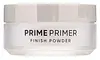 Key Ingredients
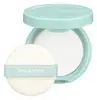
Benefits
Concerns
Ingredients Side-by-side
Silica
Abrasive


Dimethicone
Emollient

Macadamia Ternifolia Seed Oil
Emollient



Dimethicone/Vinyl Dimethicone Crosspolymer
Skin Conditioning
Vinyl Dimethicone/Methicone Silsesquioxane Crosspolymer
Chamomilla Recutita Flower Extract
Masking


Freesia Refracta Extract
Skin ConditioningLavandula Angustifolia Flower Extract
Cleansing

Mentha Piperita Leaf Extract
Skin ConditioningMonarda Didyma Leaf Extract
Skin ConditioningRosmarinus Officinalis Leaf Extract
AntimicrobialMentha Arvensis Leaf Extract
MaskingMentha Suaveolens Leaf Extract
AstringentDiospyros Kaki Leaf Extract
Skin Protecting
Caprylyl Glycol
Emollient
Ethylhexylglycerin
Skin ConditioningNylon-12

Water
Skin ConditioningPolymethyl Methacrylate
Tocopherol
Antioxidant




Butylene Glycol
Humectant
Polymethylsilsesquioxane
Polyquaternium-10
1,2-Hexanediol
Skin Conditioning
Lauroyl Lysine
Skin Conditioning
Triethoxycaprylylsilane
Parfum
Masking


Mica
Cosmetic ColorantCI 77492
Cosmetic ColorantSilica, Dimethicone, Macadamia Ternifolia Seed Oil, Dimethicone/Vinyl Dimethicone Crosspolymer, Vinyl Dimethicone/Methicone Silsesquioxane Crosspolymer, Chamomilla Recutita Flower Extract, Freesia Refracta Extract, Lavandula Angustifolia Flower Extract, Mentha Piperita Leaf Extract, Monarda Didyma Leaf Extract, Rosmarinus Officinalis Leaf Extract, Mentha Arvensis Leaf Extract, Mentha Suaveolens Leaf Extract, Diospyros Kaki Leaf Extract, Caprylyl Glycol, Ethylhexylglycerin, Nylon-12, Water, Polymethyl Methacrylate, Tocopherol, Butylene Glycol, Polymethylsilsesquioxane, Polyquaternium-10, 1,2-Hexanediol, Lauroyl Lysine, Triethoxycaprylylsilane, Parfum, Mica, CI 77492
Mica
Cosmetic ColorantSilica
Abrasive
Octyldodecyl Stearoyl Stearate
Emollient
Squalane
Emollient
Silica Dimethicone Silylate
Absorbent
Magnesium Myristate

Aluminum Starch Octenylsuccinate
Absorbent
Sorbitan Isostearate
Emulsifying
Methicone
Emollient
Ethylhexylglycerin
Skin ConditioningGlyceryl Caprylate
EmollientMineral Salts
Skin ConditioningWater
Skin ConditioningButylene Glycol
Humectant
Mentha Arvensis Leaf Extract
MaskingTocopherol
Antioxidant
1,2-Hexanediol
Skin Conditioning
Mica, Silica, Octyldodecyl Stearoyl Stearate, Squalane, Silica Dimethicone Silylate, Magnesium Myristate, Aluminum Starch Octenylsuccinate, Sorbitan Isostearate, Methicone, Ethylhexylglycerin, Glyceryl Caprylate, Mineral Salts, Water, Butylene Glycol, Mentha Arvensis Leaf Extract, Tocopherol, 1,2-Hexanediol
Reviews
Ingredients Explained
These ingredients are found in both products.
Ingredients higher up in an ingredient list are typically present in a larger amount.
1,2-Hexanediol is a synthetic liquid and another multi-functional powerhouse.
It is a:
- Humectant, drawing moisture into the skin
- Emollient, helping to soften skin
- Solvent, dispersing and stabilizing formulas
- Preservative booster, enhancing the antimicrobial activity of other preservatives
Butylene Glycol (or BG) is used within cosmetic products for a few different reasons:
Overall, Butylene Glycol is a safe and well-rounded ingredient that works well with other ingredients.
Though this ingredient works well with most skin types, some people with sensitive skin may experience a reaction such as allergic rashes, closed comedones, or itchiness.
Learn more about Butylene GlycolEthylhexylglycerin is created from glycerin. It is a multitasker ingredient that:
The CIR Expert Panel found minimal skin absorption or sensitization of any kind in a safety assessment. Though this ingredient is considered well-tolerated, a small number of cases of allergic dermatitis have been published since 2002. Just be sure to patch test if you are unsure.
Industry-reported use ranges from 8% in rinse-off products and 2% in leave-on formulations.
Learn more about EthylhexylglycerinWe don't have a description for Mentha Arvensis Leaf Extract yet.
Mica is a naturally occurring mineral used to add shimmer and color in cosmetics. It can also help improve the texture of a product or give it an opaque, white/silver color.
Serecite is the name for very fine but ragged grains of mica.
This ingredient is often coated with metal oxides like titanium dioxide. Trace amounts of heavy metals may be found in mica, but these metals are not harmful in our personal products.
Mica has been used since prehistoric times throughout the world. Ancient Egyptian, Indian, Greek, Roman, Aztec, and Chinese civilizations have used mica.
Learn more about MicaSilica, also known as silicon dioxide, is a naturally occurring mineral. It is used as a fine, spherical, and porous powder in cosmetics.
Though it has exfoliant properties, the function of silica varies depending on the product.
The unique structure of silica enhances the spreadability and adds smoothness, making it a great texture enhancer.
It is also used as an active carrier, emulsifier, and mattifier due to its ability to absorb excess oil.
In some products, tiny microneedles called spicules are made from silica or hydrolyzed sponge. When you rub them in, they lightly polish away dead skin layers and enhance the penetration of active ingredients.
Learn more about SilicaTocopherol is a fat-soluble antioxidant known as Vitamin E.
You'll find this ingredient in the vast majority of skincare (for good reason). It works to neutralize free radicals, or unstable molecules generated by UV exposure, pollution, and other environmental stressors, before they can cause oxidative damage to your skin cells.
Topically applied tocopherol has been shown to protect against UV damage by ramping up the skin's own natural defense enzymes.
It also acts as a skin conditioning agent; some studies show that regular topical use can improve the skin's water-binding capacity over 2-4 weeks.
This ingredient is especially loved for being a team player. When combined with Vitamin C, the photoprotective effect of both ingredients roughly doubles and the combo also helps reduce UV-induced DNA damage.
This ingredient has some brightening potential but it's more of a prevention ingredient than spot-fader. Cell studies show it can slow down melanin production but it's worth noting that it's not the most powerful brightener out there.
In formulations, it also serves as a stabilizer that helps protect other oxidation-prone ingredients from degrading.
Concentrations usually range from 0.1-1% in most leave-on products.
Learn more about TocopherolWater. It's the most common cosmetic ingredient of all. You'll usually see it at the top of ingredient lists, meaning that it makes up the largest part of the product.
So why is it so popular? Water most often acts as a solvent - this means that it helps dissolve other ingredients into the formulation.
You'll also recognize water as that liquid we all need to stay alive. If you see this, drink a glass of water. Remember to stay hydrated!
Learn more about Water

