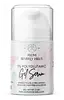
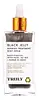
ASDM BEVERLY HILLS 3% Polyglutamic Acid Gel Serum Versus Truly Black Jelly Blemish Treatment Body Serum
This hydrating serum is formulated around Polyglutamic Acid and Gluconolactone to hydrate skin and strengthen the skin barrier.
This acne serum is formulated around Charcoal Powder and Gluconolactone to clear breakouts and balance excess oil.

What's inside
What's inside
 Key Ingredients
Benefits
Concerns
Ingredients Side-by-side
Aloe Barbadensis Leaf Juice
Skin Conditioning


Water
Skin ConditioningCaprylic/Capric Triglyceride
Masking

Adansonia Digitata Oil
Emollient


Charcoal Powder
Abrasive


Leuconostoc/Radish Root Ferment Filtrate
Antimicrobial
Lonicera Japonica Flower Extract
Skin ConditioningLonicera Caprifolium Flower Extract
Perfuming
Populus Tremuloides Bark Extract
AntiseborrhoeicGluconolactone
Chelating





Tocopherol
Antioxidant


Phenoxyethanol
Preservative
Glycerin
Humectant
Hamamelis Virginiana Water
Astringent


Melaleuca Alternifolia Leaf Oil
Antioxidant
Alcohol
Antimicrobial
Carbomer
Emulsion StabilisingTriethanolamine
BufferingTetrasodium Glutamate Diacetate
ChelatingAloe Barbadensis Leaf Juice, Water, Caprylic/Capric Triglyceride, Adansonia Digitata Oil, Charcoal Powder, Leuconostoc/Radish Root Ferment Filtrate, Lonicera Japonica Flower Extract, Lonicera Caprifolium Flower Extract, Populus Tremuloides Bark Extract, Gluconolactone, Tocopherol, Phenoxyethanol, Glycerin, Hamamelis Virginiana Water, Melaleuca Alternifolia Leaf Oil, Alcohol, Carbomer, Triethanolamine, Tetrasodium Glutamate Diacetate
Ingredients Explained
These ingredients are found in both products.
Ingredients higher up in an ingredient list are typically present in a larger amount.
Gluconolactone is a PHA. PHAs are a great gentle alternative to traditional AHAs.
When applied, Gluconolactone has the same affect on skin as AHAs such as lactic acid. It helps dissolve the dead skin cells in the top layer of your skin. This improves texture and brightens the skin.
PHAs are more gentle than AHAs due to their larger structure. They do not penetrate as deeply as AHAs and take a longer time to dissolve dead cells. Studies show PHAs do not cause as much irritation.
Gluconolactone has some interesting properties:
In a 2004 study, Gluconolactone was found to prevent UV damage in mouse skin cells and has not been found to increase sun sensitivity. However, we still recommend wearing SPF daily.
This ingredient is is an created by reacting gluconic acid with an alcohol.
Learn more about GluconolactoneLeuconostoc/Radish Root Ferment Filtrate is a natural preservative. It comes from fermenting radish roots with a bacteria called leuconostoc. The trade name for this ingredient is Leucidal.
Leuconostoc comes from lactic acid.
This ingredient has antimicrobial properties and helps prevent the growth of bacteria in a product.
Leuconostoc is used to make the traditional Korean side-dish, kimchi. It is also used to make sourdough bread (both incredibly yummy foods).
Learn more about Leuconostoc/Radish Root Ferment FiltrateThis Honeysuckle flower extract comes from the Italian honeysuckle. It is an antioxidant, antimicrobial, and fragrance.
Both this and the Japanese Honeysuckle are rich in a natural paraben that give it antimicrobial property. They are effective in inhibiting bacteria, yeast, and mold.
Honeysuckle contains flavonoids and saponins. Both of these components are natural antioxidants that can help soothe the skin.
As most flowers do, honeysuckle has a natural fragrance.
Learn more about Lonicera Caprifolium Flower ExtractLonicera Japonica Flower Extract comes from the honeysuckle flower.
Honeysuckles have skin protecting, anti-viral, and anti-inflammatory properties. It contains many antioxidants, such as luteolin, caffeic acid, loniflavone, and chlorogenic acids.
This honeysuckle is native to East Asia and used in traditional Chinese medicine to treat fever and inflammation.
Learn more about Lonicera Japonica Flower ExtractWe don't have a description for Populus Tremuloides Bark Extract yet.
Water. It's the most common cosmetic ingredient of all. You'll usually see it at the top of ingredient lists, meaning that it makes up the largest part of the product.
So why is it so popular? Water most often acts as a solvent - this means that it helps dissolve other ingredients into the formulation.
You'll also recognize water as that liquid we all need to stay alive. If you see this, drink a glass of water. Remember to stay hydrated!
Learn more about Water

