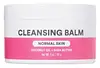
This oil-based makeup remover is made to dissolve makeup, sunscreen, and daily buildup.
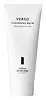
This oil-based cleanser is made to cleanse without leaving your skin tight or dry.


What's inside
What's inside
 Key Ingredients
Benefits
Concerns
Ingredients Side-by-side






Caprylic/Capric Triglyceride
Masking


Canola Oil
Emollient





Shea Butter Ethyl Esters
Emollient
Jojoba Esters
Emollient
Mipa-Cocoyl Sarcosinate
Cleansing
Hydrogenated Vegetable Oil
Emollient
Glyceryl Stearate
Emollient
Polyglyceryl-3 Caprate
EmulsifyingPolyglyceryl-3 Polyricinoleate
Emulsifying
Polyglyceryl-3 Diisostearate
Emulsifying
Tocopheryl Acetate
Antioxidant


Panthenyl Triacetate
Bisabolol
Antioxidant


Naringenin
Skin ConditioningCitric Acid
Buffering
Caprylic/Capric Triglyceride, Canola Oil, Shea Butter Ethyl Esters, Jojoba Esters, Mipa-Cocoyl Sarcosinate, Hydrogenated Vegetable Oil, Glyceryl Stearate, Polyglyceryl-3 Caprate, Polyglyceryl-3 Polyricinoleate, Polyglyceryl-3 Diisostearate, Tocopheryl Acetate, Panthenyl Triacetate, Bisabolol, Naringenin, Citric Acid
Ingredients Explained
These ingredients are found in both products.
Ingredients higher up in an ingredient list are typically present in a larger amount.
Caprylic/Capric Triglyceride (aka MCT Oil) is a lightweight emollient, solvent, and texture enhancer. It is considered a skin-softener by helping to prevent moisture loss.
Though it behaves like an oil, it is not technically one due to its chemical composition. One perk of this ingredient is that it is very stable, resistant to oxidation, and unlikely to go rancid.
In practice, that translates to a long shelf life and a consistently elegant skin feel.
While there is an assumption Caprylic Triglyceride can clog pores due to it being derived from coconut oil, there is no research supporting this. Just patch test if you have concerns.
Fractionated coconut oil and MCT Oil are both listed as Caprylic/Capric Triglyceride according to INCI. This is because INCI names are based on the ingredient’s final chemical composition and not its marketing name or source.
This ingredient is treated as the gold standard fungal acne safe oil. Even though it is coconut derived, the problematic lauric acid is stripped out.
This leaves just caprylic (C8) and capric (C10) acid. These chain lengths actually trend antifungal; a 2020 study found caprylic acid was enough to disrupt Malassezia furfur cell membrane, with a caprylic acid derivative damaging membrane structures at concentrations as low as 0.2%.
Learn more about Caprylic/Capric TriglycerideGlyceryl Stearate is made by reacting glycerin with stearic acid (typically sourced from plant oils like palm or coconut). It's an emulsifier, emollient, and mild occlusive.
Emulsifiers help ingredients like oil and water stay mixed so your formula stays nicely blended and uniform in texture.
This ingredient is typically used in concentrations between 1-10%. Studies have found it to be non-sensitizing, non-phototoxic, and non-photoallergenic.
A close cousin of this ingredient is Glyceryl Stearate SE ("self-emulsifying"). This just has a small amount of sodium or potassium stearate added so it can emulsify without a co-emulsifier.
Since this ingredient is an ester of a C18 fatty acid, it may not be fungal acne safe. The Malassezia yeast can potentially metabolize within the C11-C24 range.
Fun fact: The human body also creates Glyceryl Stearate naturally.
Learn more about Glyceryl Stearate

