The Ordinary Ascorbic Acid 8% + Alpha Arbutin 2% Versus HOLLAFACE Brightening Concentrate Glow Serum
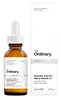
This brightening serum is formulated around Ascorbic Acid and Alpha-Arbutin to fade the look of dark spots and brighten dull-looking skin.
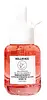
This brightening serum is formulated around Niacinamide and Alpha-Arbutin to brighten dull-looking skin and fade the look of dark spots.


What's inside
What's inside
 Key Ingredients
Benefits
Ingredients Side-by-side

Water
Skin ConditioningButylene Glycol
Humectant

Glycerin
Humectant
Niacinamide
Smoothing









Alpha-Arbutin
Antioxidant

Rosa Damascena Flower Water
Masking
Xanthan Gum
EmulsifyingHyaluronic Acid
Humectant
Hydroxyacetophenone
Antioxidant
Morus Alba Root Extract
BleachingPhenoxyethanol
Preservative
Hydroxyethylcellulose
Emulsion StabilisingCentella Asiatica Leaf Extract
Skin Conditioning
Ethylhexylglycerin
Skin ConditioningMicrocitrus Australasica Fruit Extract
Dithiaoctanediol
Skin ConditioningGluconic Acid
Sutilains
Beta-Carotene
Skin ConditioningWater, Butylene Glycol, Glycerin, Niacinamide, Alpha-Arbutin, Rosa Damascena Flower Water, Xanthan Gum, Hyaluronic Acid, Hydroxyacetophenone, Morus Alba Root Extract, Phenoxyethanol, Hydroxyethylcellulose, Centella Asiatica Leaf Extract, Ethylhexylglycerin, Microcitrus Australasica Fruit Extract, Dithiaoctanediol, Gluconic Acid, Sutilains, Beta-Carotene
Reviews
Ingredients Explained
These ingredients are found in both products.
Ingredients higher up in an ingredient list are typically present in a larger amount.
Alpha-Arbutin is a brightening active used to fade dark spots, melasma, and post-acne marks. Structurally, it is a hydroquinone with a sugar molecule attached (but is much gentler than raw hydroquinone).
It has a pretty elegant way of working; it slots into tyrosinase, or the key enzyme that your skin uses to make melanin), and competitively blocks it so your skin produces less pigment over time.
There are two forms of arbutin and alpha is the better one to reach for: it works at lower amounts, absorbs into skin more easily, and has a strong safety record.
The science backs this up too: lab and animal studies confirm it lowers melanin by blocking tyosinase and the more you use (up to a point), the more it works.
Human studies look good too.
A 2024 trial found a cream with 5% alpha-arbutin and 2% kojic acid worked about as well as a prescription melasma cream but with fewer side effects. Another study showed 2% alpha-arbutin paired with 10% Trihydroxybenzoic Acid Glucoside and sunscreen faded dark spots and melasma without causing irritation.
Concentration-wise, most serums land in the 1-2% range.
The EU's Scientific Committee on Consumer Safety concluded that alpha-arbutin is safe in face creams up to 2% and body lotions up to 0.5%.
Overall, this is a well-studied and low-irritation brightener that's a great pick for anyone dealing with uneven skin tone. It also pairs well with vitamin C, niacinamide, and sunscreen.
Learn more about Alpha-Arbutin

