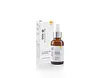
This brightening serum is formulated around Alpha-Arbutin to fade the look of dark spots and brighten dull-looking skin.
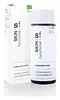
This hydrating essence is formulated around Sodium Hyaluronate Crosspolymer and Niacinamide to hydrate skin and strengthen the skin barrier.

What's inside
What's inside
 Key Ingredients
Benefits
Concerns
No concerns
Ingredients Side-by-side
Water
Skin ConditioningEthoxydiglycol
HumectantAlpha-Arbutin
Antioxidant




Propanediol
Solvent

Pentylene Glycol
Skin Conditioning
Morus Alba Root Extract
BleachingPolyacrylate Crosspolymer-6
Emulsion StabilisingLaminaria Japonica Extract
Skin Protecting

Undaria Pinnatifida Extract
Skin ConditioningSargassum Fusiforme Extract
Skin Protecting

Sargassum Fulvellum Extract
Skin ConditioningEnteromorpha Compressa Extract
Skin Protecting
Arisaema Amurense Extract
Skin ConditioningGanoderma Lucidum Stem Extract
Skin ConditioningLentinus Edodes Mycelium Extract
Skin ConditioningGrifola Frondosa Fruiting Body Extract
EmollientPhenoxyethanol
Preservative
Decyl Glucoside
Cleansing
1,2-Hexanediol
Skin Conditioning
Water, Ethoxydiglycol, Alpha-Arbutin, Propanediol, Pentylene Glycol, Morus Alba Root Extract, Polyacrylate Crosspolymer-6, Laminaria Japonica Extract, Undaria Pinnatifida Extract, Sargassum Fusiforme Extract, Sargassum Fulvellum Extract, Enteromorpha Compressa Extract, Arisaema Amurense Extract, Ganoderma Lucidum Stem Extract, Lentinus Edodes Mycelium Extract, Grifola Frondosa Fruiting Body Extract, Phenoxyethanol, Decyl Glucoside, 1,2-Hexanediol
Water
Skin ConditioningBis-PEG-8 Dimethicone
Skin Conditioning
Butylene Glycol
Humectant
Glycereth-26
Humectant
Propanediol
Solvent
Sodium Hyaluronate Crosspolymer
Humectant
Glyceryl Polyacrylate
Pentylene Glycol
Skin Conditioning
Niacinamide
Smoothing





Centella Asiatica Extract
Cleansing
Xylitylglucoside
Humectant
Copper Chlorophyll
Cosmetic ColorantCI 77400
Cosmetic ColorantGlycerin
Humectant
1,2-Hexanediol
Skin Conditioning
Xylitol
Humectant
Ascorbic Acid
Antioxidant
Anhydroxylitol
Humectant
Caprylic/Capric Triglyceride
Masking
Citric Acid
Buffering

Hydrogenated Lecithin
Emulsifying
Glucose
Humectant
CI 77220
Cosmetic ColorantArginine
Masking
Hydroxypropyl Methylcellulose
Emulsion StabilisingAcetyl Glucosamine
Skin Conditioning
Glutathione
Phenoxyethanol
Preservative
Ethylhexylglycerin
Skin ConditioningWater, Bis-PEG-8 Dimethicone, Butylene Glycol, Glycereth-26, Propanediol, Sodium Hyaluronate Crosspolymer, Glyceryl Polyacrylate, Pentylene Glycol, Niacinamide, Centella Asiatica Extract, Xylitylglucoside, Copper Chlorophyll, CI 77400, Glycerin, 1,2-Hexanediol, Xylitol, Ascorbic Acid, Anhydroxylitol, Caprylic/Capric Triglyceride, Citric Acid, Hydrogenated Lecithin, Glucose, CI 77220, Arginine, Hydroxypropyl Methylcellulose, Acetyl Glucosamine, Glutathione, Phenoxyethanol, Ethylhexylglycerin
Ingredients Explained
These ingredients are found in both products.
Ingredients higher up in an ingredient list are typically present in a larger amount.
1,2-Hexanediol is a synthetic liquid and another multi-functional powerhouse.
It is a:
- Humectant, drawing moisture into the skin
- Emollient, helping to soften skin
- Solvent, dispersing and stabilizing formulas
- Preservative booster, enhancing the antimicrobial activity of other preservatives
Pentylene Glycol (1,2-pentanediol) is a multitasking little diol with three main roles in a formula:
Research on alkanediols (the family pentylene glycol belongs to) show they work by disrupting microbial cell membranes. This disruption helps the primary preservative system in a product work more effectively at lower doses.
On the safety side, the Cosmetic Ingredient Review Expert Panel has concluded this ingredient to be safe as used in current cosmetic practices + concentrations.
Typical use levels in a formula run about 1-5%.
Learn more about Pentylene GlycolPhenoxyethanol is one of the most widely used preservatives in skincare (and for good reason!).
It has a large spectrum of antimicrobial activity and especially effective bacteria, yeast, and mold while only having a weak effect on your skin's natural microbiome.
On a cellular level, it disrupts the cell membranes of microbes by poking holes that make the cell leak. This shuts down the chemical reactions the microbe needs to make energy so it can no longer survive.
Another perk of this ingredient is that it stays functional across a wide pH range (3-10).
You'll often see it paired with boosters like Ethylhexylglycerin; one study showed that a 1:9 ratio of Ethylhexylglycerin to Phenoxyethanol damages bacterial membranes as effectively as doubling the Phenoxyethanol concentration on its own.
Typical use concentrations range from 0.3-1% depending on the formula, and this ingredient is capped at 1% int the EU.
Safety-wise, the fear mongering does not hold up to the evidence. The EU's Scientific Committee on Consumer Safety and FDA consider it safe as a preservative at up to 1%, including for children of all ages.
Adverse systemic effects only showed up in animal studies at exposures roughly 200x higher than what people get from cosmetics. And despite its very widespread use, this ingredient is a rare sensitizer and allergic reactions are uncommon.
Learn more about PhenoxyethanolPropanediol is an all-star ingredient. It softens, hydrates, and smooths the skin.
It’s often used to:
Propanediol is not likely to cause sensitivity and considered safe to use. It is derived from corn or petroleum with a clear color and no scent.
Learn more about PropanediolWater. It's the most common cosmetic ingredient of all. You'll usually see it at the top of ingredient lists, meaning that it makes up the largest part of the product.
So why is it so popular? Water most often acts as a solvent - this means that it helps dissolve other ingredients into the formulation.
You'll also recognize water as that liquid we all need to stay alive. If you see this, drink a glass of water. Remember to stay hydrated!
Learn more about Water

