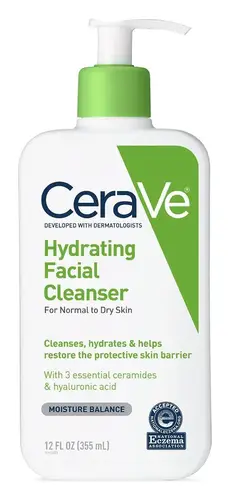
This mild gel cleanser is mild enough to cleanse without leaving skin feeling tight or stripped.

What's inside
What's inside
 Key Ingredients
No key ingredients
Benefits
Concerns
Ingredients Side-by-side

Water
Skin ConditioningPEG-80 Sorbitan Laurate
Surfactant

Cocamidopropyl Betaine
Cleansing


Sodium Trideceth Sulfate
Cleansing
Glycerin
Humectant


Sodium Lauroamphoacetate
CleansingPEG-150 Distearate
Emulsifying
Sodium Laureth-13 Carboxylate
CleansingDisodium Cocoamphodiacetate
CleansingButylene Glycol
Humectant
Salvia Officinalis Extract
Antimicrobial
Cucumis Sativus Fruit Extract
Emollient

Salix Alba Bark Extract
Astringent

Panthenol
Skin Conditioning
Allantoin
Skin Conditioning
Acrylates Copolymer
Methyl Gluceth-20
Humectant
Polysorbate 20
Emulsifying
Quaternium-15
Preservative
DMDM Hydantoin
Preservative
Disodium EDTA
ChelatingWater, PEG-80 Sorbitan Laurate, Cocamidopropyl Betaine, Sodium Trideceth Sulfate, Glycerin, Sodium Lauroamphoacetate, PEG-150 Distearate, Sodium Laureth-13 Carboxylate, Disodium Cocoamphodiacetate, Butylene Glycol, Salvia Officinalis Extract, Cucumis Sativus Fruit Extract, Salix Alba Bark Extract, Panthenol, Allantoin, Acrylates Copolymer, Methyl Gluceth-20, Polysorbate 20, Quaternium-15, DMDM Hydantoin, Disodium EDTA
Reviews
Ingredients Explained
These ingredients are found in both products.
Ingredients higher up in an ingredient list are typically present in a larger amount.
PEG-150 Distearate is a hardworking ingredient that is usually found at the end of a lot of cleansers whose main job is to act as a micellar thickening agent for surfactant-based cleansers.
It works by physically linking up surfactant micelles already in a formula to bump up viscosity and gives products a pourable-but-not-runny body.
Safety-wise, it's been found safe in cosmetics with minimal skin irritation and no evidence of toxicity.
This ingredient may not be fungal acne safe; it's a diester of stearic acid (C18) that falls into the C11-24 range that the Malassezia yeast feeds on. In vitro studies have also shown the Malassezia can metabolize PEG stearates by cleaving the ester bond to release the fatty acid.
Learn more about PEG-150 DistearatePEG-80 Sorbitan Laurate isn't fungal acne safe.
We don't have a description for Sodium Laureth-13 Carboxylate yet.
We don't have a description for Sodium Lauroamphoacetate yet.
Sodium Trideceth Sulfate is a type of sulfate.
Water. It's the most common cosmetic ingredient of all. You'll usually see it at the top of ingredient lists, meaning that it makes up the largest part of the product.
So why is it so popular? Water most often acts as a solvent - this means that it helps dissolve other ingredients into the formulation.
You'll also recognize water as that liquid we all need to stay alive. If you see this, drink a glass of water. Remember to stay hydrated!
Learn more about Water