NeoStrata Skin Active Triple Therapy Lifting Serum Versus Exuviance Age Reverse Total Correct + Sculpt Serum
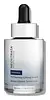
This anti-aging serum is formulated around Gluconolactone to soften the look of wrinkles and refine skin texture.
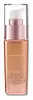
This anti-aging serum is formulated around Acetyl Glucosamine and Ascorbyl Glucoside to soften the look of wrinkles and fade the look of dark spots.

What's inside
What's inside
 Key Ingredients
Benefits
Concerns
Ingredients Side-by-side
Water
Skin ConditioningPEG-8
HumectantGluconolactone
Chelating







1,2-Hexanediol
Skin Conditioning
Cyclopentasiloxane
Emollient
Glycerin
Humectant
Pentylene Glycol
Skin Conditioning
PEG-12 Dimethicone
Skin Conditioning
Polymethylsilsesquioxane
Acetyl Tyrosinamide
Skin ConditioningCyclohexasiloxane
Emollient
Hydrolyzed Sodium Hyaluronate
Skin Conditioning
Dimethiconol
Emollient
Biosaccharide Gum-1
Humectant
Polyacrylate-13
Polyisobutene
Isopropyl Myristate
Emollient





Polysorbate 20
Emulsifying
Sodium Sulfite
Preservative
BHT
Antioxidant
Ammonium Hydroxide
BufferingCaprylyl Glycol
Emollient
Xanthan Gum
EmulsifyingMethyldihydrojasmonate
Masking2,6-Dimethyl-7-Octen-2-Ol
Masking

Ethyl Acetoacetate
Perfuming
Methyl Benzodioxepinone
Masking
Phenoxyethanol
Preservative
Chlorphenesin
Antimicrobial
CI 17200
Cosmetic ColorantCI 42090
Cosmetic ColorantWater, PEG-8, Gluconolactone, 1,2-Hexanediol, Cyclopentasiloxane, Glycerin, Pentylene Glycol, PEG-12 Dimethicone, Polymethylsilsesquioxane, Acetyl Tyrosinamide, Cyclohexasiloxane, Hydrolyzed Sodium Hyaluronate, Dimethiconol, Biosaccharide Gum-1, Polyacrylate-13, Polyisobutene, Isopropyl Myristate, Polysorbate 20, Sodium Sulfite, BHT, Ammonium Hydroxide, Caprylyl Glycol, Xanthan Gum, Methyldihydrojasmonate, 2,6-Dimethyl-7-Octen-2-Ol, Ethyl Acetoacetate, Methyl Benzodioxepinone, Phenoxyethanol, Chlorphenesin, CI 17200, CI 42090
Water
Skin ConditioningPropylene Glycol
Humectant
PEG-8
HumectantAcetyl Glucosamine
Skin Conditioning
Cyclopentasiloxane
Emollient
Glycerin
Humectant
PEG-12 Dimethicone
Skin Conditioning
Polymethylsilsesquioxane
Cyclohexasiloxane
Emollient
Ascorbyl Glucoside
Antioxidant
Acetyl Tyrosinamide
Skin ConditioningDimethiconol
Emollient
Arginine
Masking
Caprylyl Glycol
Emollient
Polyacrylate-13
Polyisobutene
Polysorbate 20
Emulsifying
Xanthan Gum
EmulsifyingPhenoxyethanol
Preservative
Chlorphenesin
Antimicrobial
CI 15985
Cosmetic ColorantCI 19140
Cosmetic ColorantWater, Propylene Glycol, PEG-8, Acetyl Glucosamine, Cyclopentasiloxane, Glycerin, PEG-12 Dimethicone, Polymethylsilsesquioxane, Cyclohexasiloxane, Ascorbyl Glucoside, Acetyl Tyrosinamide, Dimethiconol, Arginine, Caprylyl Glycol, Polyacrylate-13, Polyisobutene, Polysorbate 20, Xanthan Gum, Phenoxyethanol, Chlorphenesin, CI 15985, CI 19140
Ingredients Explained
These ingredients are found in both products.
Ingredients higher up in an ingredient list are typically present in a larger amount.
We don't have a description for Acetyl Tyrosinamide yet.
Caprylyl Glycol is a humectant, skin conditioner, emollient, and preservative booster derived from either caprylic acid or synthetically created.
Typical use levels vary from 0.3-1% as a preservative booster and go up to 2% to condition skin.
Because it is not a free-fatty acid, this ingredient is fungal acne safe (there's nothing for Malassezia to feed on).
Learn more about Caprylyl GlycolChlorphenesin is a synthetic preservative. It helps protect a product against bacteria in order to extend shelf life. In most cases, Chlorphenesin is paired with other preservatives such as phenoxyethanol and caprylyl glycol.
Chlorphenesin is a biocide. This means it is able to help fight the microorganisms on our skin. It is also able to fight odor-releasing bacteria.
Chlorphenesin is soluble in both water and glycerin.
Studies show Chlorphenesin is easily absorbed by our skin. You should speak with a skincare professional if you have concerns about using Chlorphenesin.
Learn more about ChlorphenesinCyclohexasiloxane is a type of silicone more commonly known as D6. It is an emollient and solvent.
Cyclohexasiloxane is used to evenly distribute ingredients throughout the product. When applied to the skin, Cyclohexasiloxane evaporates and leaves behind a silky feel.
As an emollient, it can help the skin feel soft and hydrated. It is also used to reduce frizz in hair products.
Learn more about CyclohexasiloxaneCyclopentasiloxane (D5) is a lightweight silicone that mostly acts as an emollient and solvent in cosmetics. Its the reason your products feel silky, fast-spreading, and non-greasy.
Since D5 is volatile, it does its thing and then evaporates off the skin quickly.
The safety profile of this ingredient is reassuring; the US CIR Expert Panel concluded D5 is safe as used in cosmetics and Health Canada concluded that D5 is not harmful to human health or the environment as currently used in cosmetics
There's a study that people mention about D5 in a rat study showing tumors. This study is related to long-term inhalation of high D5 levels.
Regulatory bodies have judged this study to be not applicable in topical skincare since skin absorption of D5 is very low and we're not really inhaling huge amounts of D5.
The only restriction for this ingredient is environmental. The European Chemicals Agency (ECHA) restricted D5 in wash-off cosmetics at or above 0.1% due to their persistence in water.
Learn more about CyclopentasiloxaneDimethiconol is a silicone that resembles the popular dimethicone. Like other silicones, it is an emollient. Emollients create a thin film on skin to prevent moisture from escaping.
This ingredient helps to create a silky texture and improve spreadability. Due to its high molecular weight and thickness, it is often combined with cyclopentasiloxane.
Glycerin (or glycerol) is a compound naturally found in your skin. It's a powerhouse humectant that pulls water into the stratum corneum.
Topically, glycerin does several things at once:
Your skin makes glycerin on its own (mostly from sebaceous oil breakdown) and shuttles it to your outermost layer of skin, or your epidermis, via aquaporin-3.
Aquaporin-3 is a transporter that is essential for normal skin hydration, elasticity, and repair. Interestingly, mice lacking in AQP3 have dry and less elastic skin that can be fully corrected with glycerin.
This ingredient is non-irritating, plays well with almost every ingredient, and works across all skin types. Typical use is anywhere between 3-10% but can go up to 79% in some leave-on products.
Just know very high concentrations (>40%) can feel tacky in low humidity.
Glycerin is the name for this ingredient in American English. British English uses Glycerol/Glycerine.
Learn more about GlycerinPEG-12 Dimethicone is a type of water-soluble silicone. It has skin conditioning and hydrating properties.
According to a manufacturer, this ingredient's stability is decreased by strong acid or alkali.
PEG-8 is a synthetic polymer used as a humectant and solvent.
This ingredient is able to help dissolve active ingredients, including water. This gives it humectant properties.
It is soluble in water. The number '8' stands for the molecular weight of the ingredient.
Learn more about PEG-8Phenoxyethanol is one of the most widely used preservatives in skincare (and for good reason!).
It has a large spectrum of antimicrobial activity and especially effective bacteria, yeast, and mold while only having a weak effect on your skin's natural microbiome.
On a cellular level, it disrupts the cell membranes of microbes by poking holes that make the cell leak. This shuts down the chemical reactions the microbe needs to make energy so it can no longer survive.
Another perk of this ingredient is that it stays functional across a wide pH range (3-10).
You'll often see it paired with boosters like Ethylhexylglycerin; one study showed that a 1:9 ratio of Ethylhexylglycerin to Phenoxyethanol damages bacterial membranes as effectively as doubling the Phenoxyethanol concentration on its own.
Typical use concentrations range from 0.3-1% depending on the formula, and this ingredient is capped at 1% int the EU.
Safety-wise, the fear mongering does not hold up to the evidence. The EU's Scientific Committee on Consumer Safety and FDA consider it safe as a preservative at up to 1%, including for children of all ages.
Adverse systemic effects only showed up in animal studies at exposures roughly 200x higher than what people get from cosmetics. And despite its very widespread use, this ingredient is a rare sensitizer and allergic reactions are uncommon.
Learn more about PhenoxyethanolPolyacrylate-13 is a type of acrylate polymer. Acrylate polymers are commonly used as adhesives in cosmetics.
Polyacrylate-13 creates a film to protect the skin. It is also used to thicken and stabilize a product. It works by making water a gel-like consistency. This gel consistency helps suspend particles.
Polyacrylate-13 is a copolymer of acrylic acid, acrylamide, sodium acrylate, sodium acryloyldimethyltaurate monomers
Learn more about Polyacrylate-13Polyisobutene is a synthetic polymer made from isobutene.
It is a film-forming agent and helps bind ingredients together.
Polyisobutene is not absorbed by the skin.
Learn more about PolyisobutenePolymethylsilsesquioxane is a silicone used as a film forming agent.
When applied to the skin, this ingredient creates an invisible film on the surface. This film still allows oxygen to pass through, but prevents moisture from escaping. This can help condition and hydrate the skin. It also leaves a silky feel when applied.
Polymethylsilsesquioxane has not been shown to clog pores. It has been deemed safe to use up to 55%, but most cosmetics use much less.
If you have concerns about using this ingredient, we recommend speaking with a professional.
Learn more about PolymethylsilsesquioxanePolysorbate 20 is a gentle, water-soluble emulsifier and mild surfactant. It stops oil and water from separating to keep your formulas blended and stable.
It also acts as a mild penetration enhancer by helping active ingredients absorb slightly better.
The common safety discussion around this ingredient involves a manufacturing byproduct called 1,4-dioxane.
Trace amounts can form during production but the EU's Scientific Committee on Consumer Safety has concluded that levels at/below 10 ppm in finished products are safe (commercial products consistently fall within acceptable margins).
True allergic reactions are uncommon and the CIR Expert Panel has confirmed this ingredient to be safe as used in cosmetics.
Because it is derived from lauric acid, it may not be fungal acne safe.
Learn more about Polysorbate 20Water. It's the most common cosmetic ingredient of all. You'll usually see it at the top of ingredient lists, meaning that it makes up the largest part of the product.
So why is it so popular? Water most often acts as a solvent - this means that it helps dissolve other ingredients into the formulation.
You'll also recognize water as that liquid we all need to stay alive. If you see this, drink a glass of water. Remember to stay hydrated!
Learn more about WaterXanthan gum is used as a stabilizer and thickener within cosmetic products. It helps give products a sticky, thick feeling - preventing them from being too runny.
On the technical side of things, xanthan gum is a polysaccharide - a combination consisting of multiple sugar molecules bonded together.
Xanthan gum is a pretty common and great ingredient. It is a natural, non-toxic, non-irritating ingredient that is also commonly used in food products.
Learn more about Xanthan Gum

