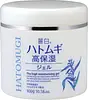
This barrier-repair moisturizer is formulated around Sodium Hyaluronate to strengthen the skin barrier and hydrate skin.
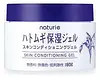
This brightening moisturizer is formulated around Tetrahexyldecyl Ascorbate to brighten dull-looking skin.

What's inside
What's inside
 Key Ingredients
Benefits
Concerns
Ingredients Side-by-side
Water
Skin ConditioningGlycerin
Humectant


Butylene Glycol
Humectant
Dipropylene Glycol
HumectantTriethylhexanoin
MaskingDiphenyl Dimethicone
Emollient
Polyglyceryl-10 Myristate
Skin Conditioning

PEG-60 Hydrogenated Castor Oil
Emulsifying
Carbomer
Emulsion StabilisingAcrylates/C10-30 Alkyl Acrylate Crosspolymer
Emulsion StabilisingPearl Extract
Antioxidant
Sucrose
Humectant
Soluble Collagen
Humectant
Hydrolyzed Collagen
Emollient
Succinoyl Atelocollagen
Skin Conditioning
Sodium Hyaluronate
Humectant

Arginine
Masking
Disodium EDTA
Potassium Hydroxycitrate
Skin ConditioningSodium
Citric Acid
Buffering

Phenoxyethanol
Preservative
Methylparaben
Preservative


Water, Glycerin, Butylene Glycol, Dipropylene Glycol, Triethylhexanoin, Diphenyl Dimethicone, Polyglyceryl-10 Myristate, PEG-60 Hydrogenated Castor Oil, Carbomer, Acrylates/C10-30 Alkyl Acrylate Crosspolymer, Pearl Extract, Sucrose, Soluble Collagen, Hydrolyzed Collagen, Succinoyl Atelocollagen, Sodium Hyaluronate, Arginine, Disodium EDTA, Potassium Hydroxycitrate, Sodium, Citric Acid, Phenoxyethanol, Methylparaben
Water
Skin ConditioningGlycerin
Humectant
Dipropylene Glycol
HumectantDimethicone
Emollient
Tetrahexyldecyl Ascorbate
Antioxidant


Tocopheryl Phosphate
CleansingCoix Lacryma-Jobi Ma-Yuen Seed Extract
Skin ConditioningCholesteryl/Octyldodecyl Lauroyl Glutamate
Skin ConditioningAcrylates/C10-30 Alkyl Acrylate Crosspolymer
Emulsion StabilisingAmmonium Acryloyldimethyltaurate/Vp Copolymer
Butylene Glycol
Humectant
PEG-12 Dimethicone
Skin Conditioning
Sodium Hydroxide
BufferingCarbomer
Emulsion StabilisingPhytosteryl Isostearyl Dimer Dilinoleate
EmollientOctyldodecyl Myristate
EmollientTocopherol
Antioxidant

Methylparaben
Preservative
Water, Glycerin, Dipropylene Glycol, Dimethicone, Tetrahexyldecyl Ascorbate, Tocopheryl Phosphate, Coix Lacryma-Jobi Ma-Yuen Seed Extract, Cholesteryl/Octyldodecyl Lauroyl Glutamate, Acrylates/C10-30 Alkyl Acrylate Crosspolymer, Ammonium Acryloyldimethyltaurate/Vp Copolymer, Butylene Glycol, PEG-12 Dimethicone, Sodium Hydroxide, Carbomer, Phytosteryl Isostearyl Dimer Dilinoleate, Octyldodecyl Myristate, Tocopherol, Methylparaben
Reviews
Ingredients Explained
These ingredients are found in both products.
Ingredients higher up in an ingredient list are typically present in a larger amount.
Acrylates/C10-30 Alkyl Acrylate Crosspolymer is a synthetic polymer. It is used to thicken, emulsify, and improve the texture of products.
As an emulsifier, it helps stabilize oil-in-water emulsions to give products an elegant feel when applied.
It can also form a thin protective film on skin. One study found that a formula using this polymer helped slow down how quickly other ingredients (like DEET) were absorbed through skin.
A 2024 study of over 1,300 patients confirmed that sensitization to this ingredient is rare. It is also non-mutagenic and has a clean track record.
Learn more about Acrylates/C10-30 Alkyl Acrylate CrosspolymerButylene Glycol (or BG) is used within cosmetic products for a few different reasons:
Overall, Butylene Glycol is a safe and well-rounded ingredient that works well with other ingredients.
Though this ingredient works well with most skin types, some people with sensitive skin may experience a reaction such as allergic rashes, closed comedones, or itchiness.
Learn more about Butylene GlycolCarbomer is a synthetic thickening and gelling agent. It's basically the ingredient that gives a lot of serums, gels, creams, and sunscreens their smooth, non-sticky texture.
Although legally permitted at very high levels, carbomers are normally used at concentrations below 1%.
It also needs to be neutralized to actually thicken, and because it is a large molecule, it doesn't really penetrate the skin barrier.
Allergy-wise, the risk is very low. Clinical studies show carbomers have low potential for skin irritation/sensitization even at concentrations up to 100%.
A 2024 UK study patch-tested 1,302 patients and found true allergy to the parent group of carbomer to be rare with no confirmed relevant reactions.
Learn more about CarbomerDipropylene Glycol is a synthetically created humectant, stabilizer, and solvent.
This ingredient helps:
Dipropylene glycol is technically an alcohol, but it belongs to the glycol family (often considered part of the ‘good’ alcohols). This means it is hydrating and gentle on skin unlike drying solvent alcohols like denatured alcohol.
As a masking agent, Dipropylene Glycol can be used to cover the smell of other ingredients. However, it does not have a scent.
Studies show Dipropylene Glycol is considered safe to use in skincare.
Learn more about Dipropylene GlycolGlycerin (or glycerol) is a compound naturally found in your skin. It's a powerhouse humectant that pulls water into the stratum corneum.
Topically, glycerin does several things at once:
Your skin makes glycerin on its own (mostly from sebaceous oil breakdown) and shuttles it to your outermost layer of skin, or your epidermis, via aquaporin-3.
Aquaporin-3 is a transporter that is essential for normal skin hydration, elasticity, and repair. Interestingly, mice lacking in AQP3 have dry and less elastic skin that can be fully corrected with glycerin.
This ingredient is non-irritating, plays well with almost every ingredient, and works across all skin types. Typical use is anywhere between 3-10% but can go up to 79% in some leave-on products.
Just know very high concentrations (>40%) can feel tacky in low humidity.
Glycerin is the name for this ingredient in American English. British English uses Glycerol/Glycerine.
Learn more about GlycerinMethylparaben is a synthetic preservative and one of the most widely used in the world. It has a simple, but important job: prevent your products from going bad by stopping bacteria, yeast, and mold from growing.
Typical use levels are low, often 0.1-0.3%.
This is also one of the most heavily studied preservatives out there and major regulatory bodies have repeatedly given it the green light.
In 2023, the EU's Scientific Committee on Consumer Safety (SCCS) confirmed that this ingredient is safe up to 0.4% on its own, of up to 0.8% when mixed with other paraben esters.
Here's the science behind the noise behind parabens/hormones as well:
Methylparaben shows very weak estrogen-like activity in vitro tests (more than 1,000x weaker than your body's own estradiol). In vivo (live-organism) studies don't support a meaningful endocrine-disrupting effect either.
You get a stronger estrogenic effect from eating tofu, actually.
It's also a low sensitizer and allergic reactions are uncommon; they usually happen on damage or broken skin.
There is a caveat: France has proposed to formally re-examine its endocrine classification in 2025 so the regulatory conversation isn't fully closed as of yet.
But as it stands today, this ingredient is considered safe at permitted levels.
Learn more about MethylparabenWater. It's the most common cosmetic ingredient of all. You'll usually see it at the top of ingredient lists, meaning that it makes up the largest part of the product.
So why is it so popular? Water most often acts as a solvent - this means that it helps dissolve other ingredients into the formulation.
You'll also recognize water as that liquid we all need to stay alive. If you see this, drink a glass of water. Remember to stay hydrated!
Learn more about Water

