

What's inside
What's inside
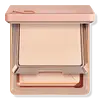 Key Ingredients
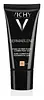
Benefits
Concerns
Ingredients Side-by-side
Synthetic Fluorphlogopite
Dimethicone
Emollient

CI 77891
Cosmetic ColorantMica
Cosmetic ColorantTriethoxycaprylylsilane
CI 77492
Cosmetic ColorantPotassium Sorbate
Preservative
Chlorphenesin
Antimicrobial
Caprylic/Capric Triglyceride
Masking


Persea Gratissima Oil
Skin Conditioning




Alumina
Abrasive
CI 77491
Cosmetic ColorantCI 77499
Cosmetic ColorantTetrasodium EDTA
ChelatingAluminum Hydroxide
EmollientGlycerin
Humectant
CI 15850
Cosmetic ColorantRubus Idaeus Leaf Extract
Skin ConditioningHydrogen Dimethicone
Synthetic Fluorphlogopite, Dimethicone, CI 77891, Mica, Triethoxycaprylylsilane, CI 77492, Potassium Sorbate, Chlorphenesin, Caprylic/Capric Triglyceride, Persea Gratissima Oil, Alumina, CI 77491, CI 77499, Tetrasodium EDTA, Aluminum Hydroxide, Glycerin, CI 15850, Rubus Idaeus Leaf Extract, Hydrogen Dimethicone
Water
Skin ConditioningDimethicone
Emollient
Glycerin
Humectant
Synthetic Fluorphlogopite
Hydroxyethyl Acrylate/Sodium Acryloyldimethyl Taurate Copolymer
Emulsion StabilisingDimethicone Crosspolymer
Emulsion Stabilising
Sorbitan Isostearate
Emulsifying
Triethanolamine
BufferingSalicylic Acid
Masking







Aluminum Hydroxide
EmollientPhenoxyethanol
Preservative
Disodium Stearoyl Glutamate
CleansingEperua Falcata Bark Extract
Skin ProtectingDextrin
AbsorbentPolysorbate 60
Emulsifying
CI 77891
Cosmetic ColorantCI 77491
Cosmetic ColorantCI 77492
Cosmetic ColorantCI 77499
Cosmetic ColorantWater, Dimethicone, Glycerin, Synthetic Fluorphlogopite, Hydroxyethyl Acrylate/Sodium Acryloyldimethyl Taurate Copolymer, Dimethicone Crosspolymer, Sorbitan Isostearate, Triethanolamine, Salicylic Acid, Aluminum Hydroxide, Phenoxyethanol, Disodium Stearoyl Glutamate, Eperua Falcata Bark Extract, Dextrin, Polysorbate 60, CI 77891, CI 77491, CI 77492, CI 77499
Ingredients Explained
These ingredients are found in both products.
Ingredients higher up in an ingredient list are typically present in a larger amount.
Aluminum Hydroxide is a form of aluminum. It can be naturally found in nature as the mineral gibbsite. In cosmetics, Aluminum Hydroxide is used as a colorant, pH adjuster, and absorbent.
As a colorant, Aluminum Hydroxide may add opacity, or reduce the transparency. Aluminum hydroxide is contains both basic and acidic properties.
According to manufacturers, this ingredient is an emollient and humectant. This means it helps hydrate the skin.
In medicine, this ingredient is used to help relieve heartburn and help heal ulcers.
There is currently no credible scientific evidence linking aluminum hydroxide in cosmetics to increased cancer risk.
Major health organizations allow the use of aluminum hydroxide in personal care products and have not flagged it as a carcinogenic risk at typical usage levels.
Learn more about Aluminum HydroxideCi 77491 is also hydrated iron III oxide. It's sole purpose is to give a red/pink hue to products.
Iron III oxides are classified as inorganic chemicals for coloring.
Synthetically created Ci 77491 is considered safer than those naturally found. This is because the synthetically created version may contain less impurities. Iron oxides are generally non-toxic and non-allergenic.
Learn more about CI 77491CI 77492 is also hydrated iron III oxide. It's sole purpose is to give a yellow hue to products.
Iron III oxides are classified as inorganic chemicals for coloring.
Synthetically created CI 77492 is considered safer than those naturally found. This is because the synthetically created version may contain less impurities. Iron oxides are generally non-toxic and non-allergenic.
Learn more about CI 77492Ci 77499 is also hydrated iron III oxide. It is created from mixing red and black iron oxides. This helps give shades of darkness to a product.
Iron III oxides are classified as inorganic chemicals for coloring.
Ci 77891 is a white pigment from Titanium dioxide. It is naturally found in minerals such as rutile and ilmenite.
It's main function is to add a white color to cosmetics. It can also be mixed with other colors to create different shades.
Ci 77891 is commonly found in sunscreens due to its ability to block UV rays.
Learn more about CI 77891Dimethicone is a type of synthetic silicone created from natural materials such as quartz. It is also known as polydimethylsiloxane.
What it does:
Dimethicone comes in different viscosities:
Depending on the viscosity, dimethicone has different properties.
Ingredients lists don't always show which type is used, so we recommend reaching out to the brand if you have questions about the viscosity.
This ingredient is unlikely to cause irritation because it does not get absorbed into skin. However, people with silicone allergies should be careful about using this ingredient.
Note: Dimethicone may contribute to pilling. This is because it is not oil or water soluble, so pilling may occur when layered with products. When mixed with heavy oils in a formula, the outcome is also quite greasy.
Learn more about DimethiconeGlycerin (or glycerol) is a compound naturally found in your skin. It's a powerhouse humectant that pulls water into the stratum corneum.
Topically, glycerin does several things at once:
Your skin makes glycerin on its own (mostly from sebaceous oil breakdown) and shuttles it to your outermost layer of skin, or your epidermis, via aquaporin-3.
Aquaporin-3 is a transporter that is essential for normal skin hydration, elasticity, and repair. Interestingly, mice lacking in AQP3 have dry and less elastic skin that can be fully corrected with glycerin.
This ingredient is non-irritating, plays well with almost every ingredient, and works across all skin types. Typical use is anywhere between 3-10% but can go up to 79% in some leave-on products.
Just know very high concentrations (>40%) can feel tacky in low humidity.
Glycerin is the name for this ingredient in American English. British English uses Glycerol/Glycerine.
Learn more about GlycerinSynthetic Fluorphlogopite is the synthethic version of mica. It consists of fluorine, aluminum and silicate.
Synthetic Fluorphlogopite is used to add volume to products.
It is considered non-irritating on the skin.
Learn more about Synthetic Fluorphlogopite

