
What's inside
What's inside
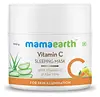 Key Ingredients
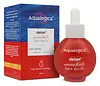
Benefits
Concerns
No concerns
Ingredients Side-by-side

Water
Skin ConditioningGlycerin
Humectant


Glycolic Acid
Buffering









Lactic Acid
Buffering
Betaine
Humectant
Propylene Glycol
Humectant
Prunus Avium Fruit
Skin ConditioningSolanum Lycopersicum Fruit Extract
Antioxidant
Phenoxyethanol
Preservative
Hydroxyethylcellulose
Emulsion StabilisingHyaluronic Acid
Humectant
CI 16255
Cosmetic ColorantCitric Acid
Buffering
PPG-20 Methyl Glucose Ether
Skin ConditioningGlyceryl Glucoside
Humectant
Ethylhexylglycerin
Skin ConditioningCucumis Sativus Fruit Extract
Emollient
Disodium EDTA
Allantoin
Skin Conditioning
Water, Glycerin, Glycolic Acid, Lactic Acid, Betaine, Propylene Glycol, Prunus Avium Fruit, Solanum Lycopersicum Fruit Extract, Phenoxyethanol, Hydroxyethylcellulose, Hyaluronic Acid, CI 16255, Citric Acid, PPG-20 Methyl Glucose Ether, Glyceryl Glucoside, Ethylhexylglycerin, Cucumis Sativus Fruit Extract, Disodium EDTA, Allantoin
Ingredients Explained
These ingredients are found in both products.
Ingredients higher up in an ingredient list are typically present in a larger amount.
Disodium EDTA is a chelating agent. It grabs onto and deactivates metal ions that sneak into your products from water, packaging, or air.
This ingredient mainly works behind the scenes and helps with:
On top of that, this ingredient can counteract the effects of hard water by binding to the minerals in it.
One thing worth knowing is that Disodium EDTA has been shown to be a mild penetration enhancer. It can help other ingredients absorb into skin more effectively which can be a double-edged sword (great for actives, but can also make the active too strong if you have sensitive skin).
Clinical patch testing showed no significant skin irritation at typical use concentrations and minimal dermal absorption.
You'll most likely see this ingredient near the end of an ingredient list. It's typically found in concentrations less than 1%.
Learn more about Disodium EDTAEthylhexylglycerin is created from glycerin. It is a multitasker ingredient that:
The CIR Expert Panel found minimal skin absorption or sensitization of any kind in a safety assessment. Though this ingredient is considered well-tolerated, a small number of cases of allergic dermatitis have been published since 2002. Just be sure to patch test if you are unsure.
Industry-reported use ranges from 8% in rinse-off products and 2% in leave-on formulations.
Learn more about EthylhexylglycerinPhenoxyethanol is a preservative that has germicide, antimicrobial, and aromatic properties. Studies show that phenoxyethanol can prevent microbial growth. By itself, it has a scent that is similar to that of a rose.
It's often used in formulations along with Caprylyl Glycol to preserve the shelf life of products.
Water. It's the most common cosmetic ingredient of all. You'll usually see it at the top of ingredient lists, meaning that it makes up the largest part of the product.
So why is it so popular? Water most often acts as a solvent - this means that it helps dissolve other ingredients into the formulation.
You'll also recognize water as that liquid we all need to stay alive. If you see this, drink a glass of water. Remember to stay hydrated!
Learn more about Water
