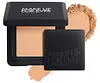
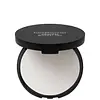
Make Up For Ever HD Skin Blurring & Perfecting Pressed Powder Versus bareMinerals Original Mineral Veil Pressed Setting Powder


What's inside
What's inside
 Key Ingredients
Benefits
No benefits
Concerns
Ingredients Side-by-side
Synthetic Fluorphlogopite
Silica
Abrasive


Dimethicone
Emollient
Diisostearyl Malate
EmollientOctyldodecyl Stearoyl Stearate
Emollient
Caprylyl Glycol
Emollient
Pentylene Glycol
Skin ConditioningPhenyl Trimethicone
Skin Conditioning
Sodium Dehydroacetate
Preservative
Sorbitan Sesquioleate
Emulsifying
Mica
Cosmetic Colorant
Tocopheryl Acetate
Antioxidant

Boron Nitride
AbsorbentZinc Stearate
Cosmetic ColorantCI 77491
Cosmetic ColorantCI 77499
Cosmetic ColorantCI 19140
Cosmetic ColorantCI 15850
Cosmetic ColorantCI 77891
Cosmetic ColorantSynthetic Fluorphlogopite, Silica, Dimethicone, Diisostearyl Malate, Octyldodecyl Stearoyl Stearate, Caprylyl Glycol, Pentylene Glycol, Phenyl Trimethicone, Sodium Dehydroacetate, Sorbitan Sesquioleate, Mica, Tocopheryl Acetate, Boron Nitride, Zinc Stearate, CI 77491, CI 77499, CI 19140, CI 15850, CI 77891


Reviews
Ingredients Explained
These ingredients are found in both products.
Ingredients higher up in an ingredient list are typically present in a larger amount.
Diisostearyl Malate is an emollient and most often used in lip products. It comes from isostearyl alcohol, a fatty acid, and malic acid, an AHA.
As an emollient, Diisostearyl Malate helps create a thin film on your skin to trap moisture in. This helps keep your skin soft and smooth.
Mica is a naturally occurring mineral used to add shimmer and color in cosmetics. It can also help improve the texture of a product or give it an opaque, white/silver color.
Serecite is the name for very fine but ragged grains of mica.
This ingredient is often coated with metal oxides like titanium dioxide. Trace amounts of heavy metals may be found in mica, but these metals are not harmful in our personal products.
Mica has been used since prehistoric times throughout the world. Ancient Egyptian, Indian, Greek, Roman, Aztec, and Chinese civilizations have used mica.
Learn more about MicaSilica, also known as silicon dioxide, is a naturally occurring mineral. It is used as a fine, spherical, and porous powder in cosmetics.
Though it has exfoliant properties, the function of silica varies depending on the product.
The unique structure of silica enhances the spreadability and adds smoothness, making it a great texture enhancer.
It is also used as an active carrier, emulsifier, and mattifier due to its ability to absorb excess oil.
In some products, tiny microneedles called spicules are made from silica or hydrolyzed sponge. When you rub them in, they lightly polish away dead skin layers and enhance the penetration of active ingredients.
Learn more about SilicaTocopheryl Acetate is AKA Vitamin E. It is an antioxidant and protects your skin from free radicals. Free radicals damage the skin by breaking down collagen.
One study found using Tocopheryl Acetate with Vitamin C decreased the number of sunburned cells.
Tocopheryl Acetate is commonly found in both skincare and dietary supplements.
Learn more about Tocopheryl Acetate
