This barrier-repair lip moisturizer is formulated around Butyrospermum Parkii Butter and Panthenol to strengthen the lip barrier and hydrate lips.
This lip moisturizer is formulated around Zinc Sulfate and Ricinus Communis Seed Oil to hydrate lips.

What's inside
What's inside
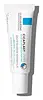 Key Ingredients
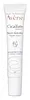
No key ingredients
Benefits
Concerns
Ingredients Side-by-side
Caprylic/Capric Triglyceride
Masking


PPG-5 Pentaerythrityl Ether
EmollientPEG-5 Pentaerythrityl Ether
EmollientButyrospermum Parkii Butter
Skin Conditioning




Beeswax
Emulsion Stabilising
Panthenol
Skin Conditioning


Hydrogenated Vegetable Oil
Emollient
Ethylhexyl Palmitate
Emollient
Silica Silylate
Emollient
Polybutene
Glycine Soja Sterols
Emollient
Water
Skin ConditioningSodium Saccharin
MaskingMyristyl Malate Phosphonic Acid
Skin ConditioningPentaerythrityl Tetra-Di-T-Butyl Hydroxyhydrocinnamate
Antioxidant
Caprylic/Capric Triglyceride, PPG-5 Pentaerythrityl Ether, PEG-5 Pentaerythrityl Ether, Butyrospermum Parkii Butter, Beeswax, Panthenol, Hydrogenated Vegetable Oil, Ethylhexyl Palmitate, Silica Silylate, Polybutene, Glycine Soja Sterols, Water, Sodium Saccharin, Myristyl Malate Phosphonic Acid, Pentaerythrityl Tetra-Di-T-Butyl Hydroxyhydrocinnamate
Glycerin
Humectant
Ricinus Communis Seed Oil
Masking
Water
Skin ConditioningBeeswax
Emulsion Stabilising
Caprylic/Capric Triglyceride
Masking
Paraffinum Liquidum
Emollient
Bis-Diglyceryl Polyacyladipate-2
Emollient
Isopropyl Palmitate
Emollient
Hydrogenated Castor Oil
Emollient
Hydrogenated Polyisobutene
EmollientPEG-45/Dodecyl Glycol Copolymer
Emulsion StabilisingAluminum Sucrose Octasulfate
Skin ConditioningZinc Oxide
Cosmetic Colorant

Magnesium Sulfate
Zinc Sulfate
Antimicrobial
Glycerin, Ricinus Communis Seed Oil, Water, Beeswax, Caprylic/Capric Triglyceride, Paraffinum Liquidum, Bis-Diglyceryl Polyacyladipate-2, Isopropyl Palmitate, Hydrogenated Castor Oil, Hydrogenated Polyisobutene, PEG-45/Dodecyl Glycol Copolymer, Aluminum Sucrose Octasulfate, Zinc Oxide, Magnesium Sulfate, Zinc Sulfate
Reviews
Ingredients Explained
These ingredients are found in both products.
Ingredients higher up in an ingredient list are typically present in a larger amount.
Beeswax is natural wax produced by honey bees to build their honeycomb.
Because it forms a protective layer on your skin, it can help lock in moisture and reduce water loss. It is also widely used as a thickener and emulsifier in lip balms and lotions. Research suggests beeswax containing moisturizers can support skin barrier integrity.
In comedogenic testing, Beeswax scored a 0-2, which is on the low end. Whether or not a product clogs your pores really comes down to the formula as a whole (not any single ingredient on its own) and your skin.
Cera Alba is the white, bleached form of this ingredient.
Just so you know, beeswax is not vegan since it is animal-derived. It cannot be removed with water, but can be taken off with an oil cleanser.
People with a known Propolis allergy also report to have reactions from beeswax.
Beeswax's wax esters are derived primarily from palmitic and oleic acid (C16 and C18:1). Both of these fall within the C11-C24 feeding window.
The Malassezia yeast can potentially cleave these esters and release usable fatty acids, so this ingredient may not be fungal acne safe. However, not everyone will react to this ingredient.
Learn more about BeeswaxCaprylic/Capric Triglyceride (aka MCT Oil) is a lightweight emollient, solvent, and texture enhancer. It is considered a skin-softener by helping to prevent moisture loss.
Though it behaves like an oil, it is not technically one due to its chemical composition. One perk of this ingredient is that it is very stable, resistant to oxidation, and unlikely to go rancid.
In practice, that translates to a long shelf life and a consistently elegant skin feel.
While there is an assumption Caprylic Triglyceride can clog pores due to it being derived from coconut oil, there is no research supporting this. Just patch test if you have concerns.
Fractionated coconut oil and MCT Oil are both listed as Caprylic/Capric Triglyceride according to INCI. This is because INCI names are based on the ingredient’s final chemical composition and not its marketing name or source.
This ingredient is treated as the gold standard fungal acne safe oil. Even though it is coconut derived, the problematic lauric acid is stripped out.
This leaves just caprylic (C8) and capric (C10) acid. These chain lengths actually trend antifungal; a 2020 study found caprylic acid was enough to disrupt Malassezia furfur cell membrane, with a caprylic acid derivative damaging membrane structures at concentrations as low as 0.2%.
Learn more about Caprylic/Capric TriglycerideWater. It's the most common cosmetic ingredient of all. You'll usually see it at the top of ingredient lists, meaning that it makes up the largest part of the product.
So why is it so popular? Water most often acts as a solvent - this means that it helps dissolve other ingredients into the formulation.
You'll also recognize water as that liquid we all need to stay alive. If you see this, drink a glass of water. Remember to stay hydrated!
Learn more about Water

