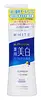
This hydrating essence is formulated around Ascorbyl Glucoside and Sodium Hyaluronate to hydrate skin and brighten dull-looking skin.
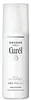
This brightening toner is formulated around Ascorbyl Glucoside to brighten dull-looking skin and fade the look of dark spots.

What's inside
What's inside
 Key Ingredients
Benefits
Concerns
Ingredients Side-by-side
Butylene Glycol
Humectant

Glycerin
Humectant
Ascorbyl Glucoside
Antioxidant



Sodium Hyaluronate
Humectant

Magnesium Ascorbyl Phosphate
Antioxidant

Royal Jelly Extract
Skin Conditioning
Soluble Collagen
Humectant
Acrylates/C10-30 Alkyl Acrylate Crosspolymer
Emulsion StabilisingIsohexadecane
EmollientDisodium EDTA
ChelatingCarbomer
Emulsion StabilisingSqualane
Emollient
Pentaerythrityl Tetraethylhexanoate
Emollient
Methyl Gluceth-10
EmulsifyingMethicone
Emollient
Disodium Phosphate
BufferingSodium Phosphate
BufferingSodium Hydroxide
BufferingHydrogenated Lecithin
Emulsifying
Phenoxyethanol
Preservative
Methylparaben
Preservative


Butylene Glycol, Glycerin, Ascorbyl Glucoside, Sodium Hyaluronate, Magnesium Ascorbyl Phosphate, Royal Jelly Extract, Soluble Collagen, Acrylates/C10-30 Alkyl Acrylate Crosspolymer, Isohexadecane, Disodium EDTA, Carbomer, Squalane, Pentaerythrityl Tetraethylhexanoate, Methyl Gluceth-10, Methicone, Disodium Phosphate, Sodium Phosphate, Sodium Hydroxide, Hydrogenated Lecithin, Phenoxyethanol, Methylparaben


Ingredients Explained
These ingredients are found in both products.
Ingredients higher up in an ingredient list are typically present in a larger amount.
Ascorbyl Glucoside (AA-2G) is one of the most stable vitamin C derivatives out there.
It's made by attaching a glucose molecule to ascorbic acid; this glucose "cap" shields the vitamin C from air, light, heat, and metal ions that normally cause pure ascorbic acid to oxidize.
Once on your skin, the enzyme alpha-glucosidase snips off the glucose and gradually releases active ascorbic acid right where it's needed. Basically, it behaves like a slow-release pro-vitamin C with less of a stinging that high-strength ascorbic acid can cause.
The research supports the classic vitamin C benefits as well. In lab and human studies, AA-2G slowed down the skin's production of melanin (the pigment behind dark spots) and helped shield skin cells against sun damage better than ascorbyl phosphate.
These studies also showed AA-2G released vitamin C over a longer period.
A frequently cited manufacturer trial found that a 2% AA-2G face cream significantly improved wrinkle depth and skin roughness after 45 days.
And in 2009, a clinical trial showed it meaningfully lightened dark patches on the gums compared to a placebo.
There's also collagen-synthesis support (since vitamin C is a required cofactor for that) and an antioxidant effect too.
Typical usage is usually between 0.5-5% and most studies/products land around 2%.
AA-2G performs best when formulated at a mildly acidic pH (~5-7) which is much gentler than the pH that pure vitamin C demands (~2.5-3.5).
Just one thing worth knowing: the in-skin conversation rate is only about 55-60% by weight. So a 5% AA-2G product delivers roughly 2.75-3% of actual active vitamin C. On top of that, skin absorption is relatively low because the ingredient is water-soluble.
Learn more about Ascorbyl GlucosideButylene Glycol (or BG) is used within cosmetic products for a few different reasons:
Overall, Butylene Glycol is a safe and well-rounded ingredient that works well with other ingredients.
Though this ingredient works well with most skin types, some people with sensitive skin may experience a reaction such as allergic rashes, closed comedones, or itchiness.
Learn more about Butylene GlycolGlycerin (or glycerol) is a compound naturally found in your skin. It's a powerhouse humectant that pulls water into the stratum corneum.
Topically, glycerin does several things at once:
Your skin makes glycerin on its own (mostly from sebaceous oil breakdown) and shuttles it to your outermost layer of skin, or your epidermis, via aquaporin-3.
Aquaporin-3 is a transporter that is essential for normal skin hydration, elasticity, and repair. Interestingly, mice lacking in AQP3 have dry and less elastic skin that can be fully corrected with glycerin.
This ingredient is non-irritating, plays well with almost every ingredient, and works across all skin types. Typical use is anywhere between 3-10% but can go up to 79% in some leave-on products.
Just know very high concentrations (>40%) can feel tacky in low humidity.
Glycerin is the name for this ingredient in American English. British English uses Glycerol/Glycerine.
Learn more about GlycerinMethylparaben is a synthetic preservative and one of the most widely used in the world. It has a simple, but important job: prevent your products from going bad by stopping bacteria, yeast, and mold from growing.
Typical use levels are low, often 0.1-0.3%.
This is also one of the most heavily studied preservatives out there and major regulatory bodies have repeatedly given it the green light.
In 2023, the EU's Scientific Committee on Consumer Safety (SCCS) confirmed that this ingredient is safe up to 0.4% on its own, of up to 0.8% when mixed with other paraben esters.
Here's the science behind the noise behind parabens/hormones as well:
Methylparaben shows very weak estrogen-like activity in vitro tests (more than 1,000x weaker than your body's own estradiol). In vivo (live-organism) studies don't support a meaningful endocrine-disrupting effect either.
You get a stronger estrogenic effect from eating tofu, actually.
It's also a low sensitizer and allergic reactions are uncommon; they usually happen on damage or broken skin.
There is a caveat: France has proposed to formally re-examine its endocrine classification in 2025 so the regulatory conversation isn't fully closed as of yet.
But as it stands today, this ingredient is considered safe at permitted levels.
Learn more about MethylparabenSodium Phosphate is is behind-the-scenes formulation helper. Its main job is buffering, or locking in the product's pH.
This helps ensure the formula stays at its intended acidity through manufacturing, shipping, and sitting on your shelf. Many active ingredients like vitamin C or retinoids are pH sensitive so maintaining their happy pH range matters.
It is synthetic and reported use concentrations are very low (up to 0.086% in face powders).
Learn more about Sodium Phosphate

