

What's inside
What's inside
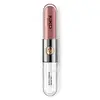 Key Ingredients
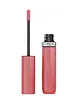
Benefits
Concerns
Ingredients Side-by-side
Isododecane
EmollientBis-Hydroxyethoxypropyl Dimethicone/Ipdi Copolymer Ethylcarbamate

Disteardimonium Hectorite
StabilisingMica
Cosmetic ColorantDimethicone/Vinyl Dimethicone Crosspolymer
Skin Conditioning
Dimethicone
Emollient
Alcohol
Antimicrobial




Water
Skin ConditioningEthyl Vanillin
MaskingDicalcium Phosphate
Abrasive
Pentaerythrityl Tetra-Di-T-Butyl Hydroxyhydrocinnamate
Antioxidant
Tin Oxide
Abrasive
CI 77891
Cosmetic ColorantCI 77491
Cosmetic ColorantCI 77492
Cosmetic ColorantCI 77499
Cosmetic ColorantCI 15850
Cosmetic ColorantCI 42090
Cosmetic ColorantCI 15985
Cosmetic ColorantCI 19140
Cosmetic ColorantTmp Dimethicone
Emollient
Cetyl PEG/PPG-10/1 Dimethicone
Emulsifying
Cera Microcristallina
Emulsion StabilisingParaffin
Skin Conditioning
Isododecane, Bis-Hydroxyethoxypropyl Dimethicone/Ipdi Copolymer Ethylcarbamate, Disteardimonium Hectorite, Mica, Dimethicone/Vinyl Dimethicone Crosspolymer, Dimethicone, Alcohol, Water, Ethyl Vanillin, Dicalcium Phosphate, Pentaerythrityl Tetra-Di-T-Butyl Hydroxyhydrocinnamate, Tin Oxide, CI 77891, CI 77491, CI 77492, CI 77499, CI 15850, CI 42090, CI 15985, CI 19140, Tmp Dimethicone, Cetyl PEG/PPG-10/1 Dimethicone, Cera Microcristallina, Paraffin
Isododecane
EmollientDimethicone
Emollient
Trimethylsiloxysilicate
Emollient
Polymethylsilsesquioxane/Trimethylsiloxysilicate
Polypropylsilsesquioxane
C30-45 Alkyldimethylsilyl Polypropylsilsesquioxane
Trimethylsiloxyphenyl Dimethicone
Trimethyl Pentaphenyl Trisiloxane
Emollient
Bis-Stearyl Dimethicone
Emollient
Dimethiconol
Emollient
Squalane
Emollient


Trihydroxystearin
Skin Conditioning
Phenoxyethanol
Preservative
Ethylhexylglycerin
Skin ConditioningTriethoxycaprylylsilane
Alumina
Abrasive
Silica
Abrasive

Kaolin
Abrasive
Tocopherol
Antioxidant



Parfum
Masking

CI 77491
Cosmetic ColorantCI 77492
Cosmetic ColorantCI 77499
Cosmetic ColorantCI 77891
Cosmetic ColorantCI 15850
Cosmetic ColorantCI 45410
Cosmetic ColorantCI 42090
Cosmetic ColorantCI 19140
Cosmetic ColorantCI 15985
Cosmetic ColorantCI 17200
Cosmetic ColorantCI 45380
Cosmetic ColorantCI 77742
Cosmetic ColorantIsododecane, Dimethicone, Trimethylsiloxysilicate, Polymethylsilsesquioxane/Trimethylsiloxysilicate, Polypropylsilsesquioxane, C30-45 Alkyldimethylsilyl Polypropylsilsesquioxane, Trimethylsiloxyphenyl Dimethicone, Trimethyl Pentaphenyl Trisiloxane, Bis-Stearyl Dimethicone, Dimethiconol, Squalane, Trihydroxystearin, Phenoxyethanol, Ethylhexylglycerin, Triethoxycaprylylsilane, Alumina, Silica, Kaolin, Tocopherol, Parfum, CI 77491, CI 77492, CI 77499, CI 77891, CI 15850, CI 45410, CI 42090, CI 19140, CI 15985, CI 17200, CI 45380, CI 77742
Reviews
Ingredients Explained
These ingredients are found in both products.
Ingredients higher up in an ingredient list are typically present in a larger amount.
Ci 15850 is the pigment color red. It is an azo dye and created synthetically.
Azo dyes need to be thoroughly purified before use. This allows them to be more stable and longer-lasting.
This ingredient is common in foundations, lipsticks, and blushes. This color is described as brown/orangey red.
It has many secondary names such as Red 6 and Red 7. According to a manufacturer, Red 6 usually contains aluminum.
Learn more about CI 15850Ci 15985 is a dye made from petroleum. It is synthetically created and approved by the FDA for use in foods and cosmetics.
The color of this dye is orange/yellow.
This ingredient can be found in makeup, sun care, and skincare.
Learn more about CI 15985CI 19140 is also known as Tartrazine. Tartrazine is a synthetic dye used in cosmetics, foods, and medicine to add a yellow color.
Tartrazine is created from petroleum and is water-soluble.
Some people may experience allergies from this dye, especially asthmatics and those with an aspirin intolerance.
Learn more about CI 19140Ci 42090 is a synthetic dye created from petroleum. It is used to give a bright blue color to cosmetics, medicine, and food.
Ci 77491 is also hydrated iron III oxide. It's sole purpose is to give a red/pink hue to products.
Iron III oxides are classified as inorganic chemicals for coloring.
Synthetically created Ci 77491 is considered safer than those naturally found. This is because the synthetically created version may contain less impurities. Iron oxides are generally non-toxic and non-allergenic.
Learn more about CI 77491CI 77492 is also hydrated iron III oxide. It's sole purpose is to give a yellow hue to products.
Iron III oxides are classified as inorganic chemicals for coloring.
Synthetically created CI 77492 is considered safer than those naturally found. This is because the synthetically created version may contain less impurities. Iron oxides are generally non-toxic and non-allergenic.
Learn more about CI 77492Ci 77499 is also hydrated iron III oxide. It is created from mixing red and black iron oxides. This helps give shades of darkness to a product.
Iron III oxides are classified as inorganic chemicals for coloring.
Ci 77891 is a white pigment from Titanium dioxide. It is naturally found in minerals such as rutile and ilmenite.
It's main function is to add a white color to cosmetics. It can also be mixed with other colors to create different shades.
Ci 77891 is commonly found in sunscreens due to its ability to block UV rays.
Learn more about CI 77891Dimethicone is a type of synthetic silicone created from natural materials such as quartz. It is also known as polydimethylsiloxane.
What it does:
Dimethicone comes in different viscosities:
Depending on the viscosity, dimethicone has different properties.
Ingredients lists don't always show which type is used, so we recommend reaching out to the brand if you have questions about the viscosity.
This ingredient is unlikely to cause irritation because it does not get absorbed into skin. However, people with silicone allergies should be careful about using this ingredient.
Note: Dimethicone may contribute to pilling. This is because it is not oil or water soluble, so pilling may occur when layered with products. When mixed with heavy oils in a formula, the outcome is also quite greasy.
Learn more about DimethiconeIsododecane is a fragrance, emollient, and solvent.
As an emollient, it helps your skin stay soft and hydrated. Emollients help trap moisture into your skin.
Isododecane's role as a solvent makes it a great texture enhancer. It spreads smoothly on skin and does not leave a sticky feeling behind. Isododecane also helps prevent color transfer in makeup products.
Isododecane is not absorbed into skin.
The chemical name for this ingredient is 2,2,4,6,6-PENTAMETHYLHEPTANE.
Learn more about Isododecane

