
What's inside
What's inside
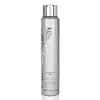 Benefits
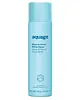
No benefits
Concerns
Ingredients Side-by-side
Butane
Hydrofluorocarbon 152a
Cyclopentasiloxane
Emollient
Sd Alcohol 40-B
Astringent


C12-15 Alkyl Benzoate
AntimicrobialPhenyl Trimethicone
Skin Conditioning
Pelvetia Canaliculata Extract
Skin Protecting
Hypnea Musciformis Extract
Skin Protecting
Hydrolyzed Rhodophyceae Extract
Palmaria Palmata Extract
Skin Protecting
Laminaria Saccharina Extract
Skin Protecting
Chondrus Crispus Extract
Skin Conditioning

Gelidiella Acerosa Extract
Skin Protecting
Macrocystis Pyrifera Extract
Skin Conditioning
Sargassum Filipendula Extract
Skin Protecting
Enteromorpha Compressa Extract
Skin Protecting
Laminaria Digitata Extract
Skin Protecting
Undaria Pinnatifida Extract
Skin ConditioningHimanthalia Elongata Extract
Skin Protecting
Ascophyllum Nodosum Extract
Skin Conditioning
Propylene Glycol Dibenzoate
Skin ConditioningPentaerythrityl Tetracaprylate/Tetracaprate
EmollientPEG-12 Dimethicone
Skin Conditioning
PPG-2 Myristyl Ether Propionate
Emollient
Panthenyl Ethyl Ether
Phytantriol
HumectantGlycerin
Humectant
Phenoxyethanol
Preservative
Benzoic Acid
Masking
Sorbic Acid
Preservative
Benzyl Salicylate
Perfuming



Hydroxycitronellal
Perfuming
Hydroxyisohexyl 3-Cyclohexene Carboxaldehyde
Masking
Limonene
Perfuming
Linalool
Perfuming
Butylphenyl Methylpropional
Perfuming
Parfum
Masking
Butane, Hydrofluorocarbon 152a, Cyclopentasiloxane, Sd Alcohol 40-B, C12-15 Alkyl Benzoate, Phenyl Trimethicone, Pelvetia Canaliculata Extract, Hypnea Musciformis Extract, Hydrolyzed Rhodophyceae Extract, Palmaria Palmata Extract, Laminaria Saccharina Extract, Chondrus Crispus Extract, Gelidiella Acerosa Extract, Macrocystis Pyrifera Extract, Sargassum Filipendula Extract, Enteromorpha Compressa Extract, Laminaria Digitata Extract, Undaria Pinnatifida Extract, Himanthalia Elongata Extract, Ascophyllum Nodosum Extract, Propylene Glycol Dibenzoate, Pentaerythrityl Tetracaprylate/Tetracaprate, PEG-12 Dimethicone, PPG-2 Myristyl Ether Propionate, Panthenyl Ethyl Ether, Phytantriol, Glycerin, Phenoxyethanol, Benzoic Acid, Sorbic Acid, Benzyl Salicylate, Hydroxycitronellal, Hydroxyisohexyl 3-Cyclohexene Carboxaldehyde, Limonene, Linalool, Butylphenyl Methylpropional, Parfum
Ingredients Explained
These ingredients are found in both products.
Ingredients higher up in an ingredient list are typically present in a larger amount.
C12-15 Alkyl Benzoate is a lightweight emollient made by combinig benzoic acid with fatty alcohols that are 12-15 carbons long.
In cosmetics, it plays several roles:
The Cosmetic Review Expert Panel has concluded the alkyl benzoate group to be safe as used in cosmetics; it wasn't found to be a skin irritant and unlikely to be absorbed due to its low water solubility.
This report recorded almost 1000 reported uses with concentrations up to 59% in leave-on products but your cosmetics will typically use 0.5-15% depending on the product.
It's often called a "SPF booster": this is because it keeps UV filters properly dissolved and evenly distributed to support a sunscreen's performance. It doesn't actually raise SPF on its own.
Overall, this ingredient is well tolerated.
This ingredient is fungal acne safe because it is an ester of benzoic acid.
Think of this ingredient as two parts stuck together: an oily part and an acid part. Malassezia only gets a meal when it can snip off a fatty acid to eat. With C12-15 Alkyl Benzoate, the acid part is benzoic acid, which isn't a fatty acid and which the yeast can't use as food.
Benzoic acid is actually used as a preservative to stop yeast from growing.
The oily part is a blend of C12-15 fatty alcohols but fatty alcohols in this size range can support only a little Malassezia growth (mostly for one species of Malassezia as well).
In the ingredient, those alcohols stay locked inside the molecule. The yeast can only reach them by snipping the benzoate bond, and that type of bond is harder for it to cut than a normal fatty bond.
So not much gets released. And whatever does get snipped comes packaged with benzoic acid, which discourages yeast growth.
Learn more about C12-15 Alkyl BenzoateCyclopentasiloxane (D5) is a lightweight silicone that mostly acts as an emollient and solvent in cosmetics. Its the reason your products feel silky, fast-spreading, and non-greasy.
Since D5 is volatile, it does its thing and then evaporates off the skin quickly.
The safety profile of this ingredient is reassuring; the US CIR Expert Panel concluded D5 is safe as used in cosmetics and Health Canada concluded that D5 is not harmful to human health or the environment as currently used in cosmetics
There's a study that people mention about D5 in a rat study showing tumors. This study is related to long-term inhalation of high D5 levels.
Regulatory bodies have judged this study to be not applicable in topical skincare since skin absorption of D5 is very low and we're not really inhaling huge amounts of D5.
The only restriction for this ingredient is environmental. The European Chemicals Agency (ECHA) restricted D5 in wash-off cosmetics at or above 0.1% due to their persistence in water.
Learn more about CyclopentasiloxaneWe don't have a description for Hydrofluorocarbon 152a yet.
We don't have a description for Panthenyl Ethyl Ether yet.
Parfum is a catch-all term for an ingredient or more that is used to give a scent to products.
Also called "fragrance", this ingredient can be a blend of hundreds of chemicals or plant oils. This means every product with "fragrance" or "parfum" in the ingredients list is a different mixture.
For instance, Habanolide is a proprietary trade name for a specific aroma chemical. When used as a fragrance ingredient in cosmetics, most aroma chemicals fall under the broad labeling category of “FRAGRANCE” or “PARFUM” according to EU and US regulations.
The term 'parfum' or 'fragrance' is not regulated in many countries. In many cases, it is up to the brand to define this term.
For instance, many brands choose to label themselves as "fragrance-free" because they are not using synthetic fragrances. However, their products may still contain ingredients such as essential oils that are considered a fragrance by INCI standards.
One example is Calendula flower extract. Calendula is an essential oil that still imparts a scent or 'fragrance'.
Depending on the blend, the ingredients in the mixture can cause allergies and sensitivities on the skin. Some ingredients that are known EU allergens include linalool and citronellol.
Parfum can also be used to mask or cover an unpleasant scent.
The bottom line is: not all fragrances/parfum/ingredients are created equally. If you are worried about fragrances, we recommend taking a closer look at an ingredient. And of course, we always recommend speaking with a professional.
Learn more about ParfumPhenyl Trimethicone is a silicon-based polymer. It is derived from silica.
Phenyl Trimethicone is used as an emollient and prevents products from foaming.
As an emollient, it helps trap moisture in the skin. It is considered an occlusive.
Learn more about Phenyl TrimethiconePhytantriol is a texture-enhancing humectant.
It is technically an alcohol and part of a class of polyols. Glycerin and sorbitol are also part of this class.
We don't have a description for Propylene Glycol Dibenzoate yet.


