Huda Beauty Faux Filler Extra Shine Lip Gloss Versus Ultra Violette Dusk Sheen Screen SPF 50 Hydrating Lip Balm
This barrier-repair lip moisturizer is formulated around Butyrospermum Parkii Butter and Helianthus Annuus Seed Oil to strengthen the lip barrier and hydrate lips.


What's inside
What's inside
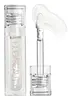 Key Ingredients
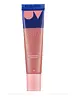
Benefits
Concerns
Ingredients Side-by-side


Lanolin
Emollient




Theobroma Cacao Seed Butter
Emollient
Ethylhexyl Methoxycinnamate
UV Absorber

Octocrylene
UV Absorber
Beeswax
Emulsion Stabilising
Butyl Methoxydibenzoylmethane
UV Absorber
Butyrospermum Parkii Butter
Skin Conditioning

Helianthus Annuus Seed Oil
Emollient
Olea Europaea Fruit Oil
Masking
Ricinus Communis Seed Oil
Masking
Aroma

Tocopherol
Antioxidant





CI 19140
Cosmetic ColorantCI 15850
Cosmetic ColorantCI 77891
Cosmetic ColorantCI 77491
Cosmetic ColorantCI 17200
Cosmetic ColorantCI 45410
Cosmetic ColorantCI 77492
Cosmetic ColorantCI 77499
Cosmetic ColorantCI 42090
Cosmetic ColorantLanolin, Theobroma Cacao Seed Butter, Ethylhexyl Methoxycinnamate, Octocrylene, Beeswax, Butyl Methoxydibenzoylmethane, Butyrospermum Parkii Butter, Helianthus Annuus Seed Oil, Olea Europaea Fruit Oil, Ricinus Communis Seed Oil, Aroma, Tocopherol, CI 19140, CI 15850, CI 77891, CI 77491, CI 17200, CI 45410, CI 77492, CI 77499, CI 42090
Reviews
Ingredients Explained
These ingredients are found in both products.
Ingredients higher up in an ingredient list are typically present in a larger amount.
Aroma refers to an ingredient, or mixture of ingredients, that impart or mask a flavor.
The name is slightly confusing. This is because INCI associates aroma with flavor instead of smell.
Here is the official definition from the The International Cosmetic Ingredient Dictionary and Handbook:
“Aroma is a term for ingredient labeling used to identify that a product contains a material or combination of materials normally added to a cosmetic to produce or to mask a particular flavor.”
INCI shows the only purpose of aroma to be "flavouring".
However, due to regulation differences, some companies may use aroma in place of parfum.
In Canada, this ingredient only has to be listed in concentrations above 1%.
Learn more about AromaThis ingredient is also known as castor oil. It is a skin conditioning ingredient.
The star component of castor oil is ricinoleic acid, an unusual fatty acid that makes up ~80-92% of its composition.
In skincare, it is an emollient that dries down to a solid film with water-binding properties. This helps keep skin hydrated and helps reduce transepidermal water loss (TEWL).
A 2026 dermatology review pulls together its broader uses:
Human clinical testing found this ingredient to be non-irritating and non-sensitizing.
Because castor oil contains fatty acids in the C11-24 range, this ingredient may not be fungal acne safe.
At this time, the literature does not support castor oil in regrowing hair. A 2022 systematic review found no strong evidence that it supports hair growth and only weak evidence that it improves hair shine.
Castor oil itself carries "perfuming" and "masking" function tags according to the official CosIng database. This is because of its mild odor and odor-dampening properties.
Learn more about Ricinus Communis Seed Oil

