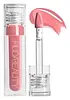
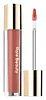
This barrier-repair lip moisturizer is formulated around Caprylic/Capric Triglyceride and Helianthus Annuus Seed Oil to strengthen the lip barrier and hydrate lips.

What's inside
What's inside
 Key Ingredients
Benefits
Concerns
Ingredients Side-by-side
Octyldodecanol
Emollient
Hydrogenated Polyisobutene
EmollientBis-Diglyceryl Polyacyladipate-2
Emollient


Diisostearyl Malate
EmollientVp/Eicosene Copolymer
Diisopropyl Adipate
EmollientC20-40 Alcohols
EmulsifyingVp/Hexadecene Copolymer
Cocoyl Hydrolyzed Collagen
Cleansing

Ethylcellulose
Silica Dimethyl Silylate
EmollientAroma


Ethyl Vanillin
MaskingEthylene/Propylene/Styrene Copolymer
Butylene/Ethylene/Styrene Copolymer
Pentaerythrityl Tetra-Di-T-Butyl Hydroxyhydrocinnamate
Antioxidant
BHT
Antioxidant
CI 77491
Cosmetic ColorantIron Oxides
CI 77492
Cosmetic ColorantTitanium Dioxide
Cosmetic Colorant

CI 15850
Cosmetic ColorantCI 45410
Cosmetic ColorantCI 16035
Cosmetic ColorantCI 42090
Cosmetic ColorantCI 77742
Cosmetic ColorantCI 19140
Cosmetic ColorantOctyldodecanol, Hydrogenated Polyisobutene, Bis-Diglyceryl Polyacyladipate-2, Diisostearyl Malate, Vp/Eicosene Copolymer, Diisopropyl Adipate, C20-40 Alcohols, Vp/Hexadecene Copolymer, Cocoyl Hydrolyzed Collagen, Ethylcellulose, Silica Dimethyl Silylate, Aroma, Ethyl Vanillin, Ethylene/Propylene/Styrene Copolymer, Butylene/Ethylene/Styrene Copolymer, Pentaerythrityl Tetra-Di-T-Butyl Hydroxyhydrocinnamate, BHT, CI 77491, Iron Oxides, CI 77492, Titanium Dioxide, CI 15850, CI 45410, CI 16035, CI 42090, CI 77742, CI 19140
Hydrogenated Polyisobutene
EmollientEthylene/Propylene/Styrene Copolymer
Butylene/Ethylene/Styrene Copolymer
Caprylic/Capric Triglyceride
Masking
Phenoxyethanol
Preservative
Tocopheryl Acetate
Antioxidant

Helianthus Annuus Seed Oil
Emollient
Pentaerythrityl Tetra-Di-T-Butyl Hydroxyhydrocinnamate
Antioxidant
Gardenia Florida Fruit Extract
Skin ConditioningNelumbo Nucifera Flower Extract
Skin ConditioningNymphaea Odorata Root Extract
RefreshingBenzyl Benzoate
Antimicrobial

Benzyl Salicylate
Perfuming
Parfum
Masking
CI 77891
Cosmetic ColorantIron Oxides
CI 73360
Cosmetic ColorantCI 15850
Cosmetic ColorantCI 42090
Cosmetic ColorantCI 19140
Cosmetic ColorantHydrogenated Polyisobutene, Ethylene/Propylene/Styrene Copolymer, Butylene/Ethylene/Styrene Copolymer, Caprylic/Capric Triglyceride, Phenoxyethanol, Tocopheryl Acetate, Helianthus Annuus Seed Oil, Pentaerythrityl Tetra-Di-T-Butyl Hydroxyhydrocinnamate, Gardenia Florida Fruit Extract, Nelumbo Nucifera Flower Extract, Nymphaea Odorata Root Extract, Benzyl Benzoate, Benzyl Salicylate, Parfum, CI 77891, Iron Oxides, CI 73360, CI 15850, CI 42090, CI 19140
Reviews
Ingredients Explained
These ingredients are found in both products.
Ingredients higher up in an ingredient list are typically present in a larger amount.
This ingredient is a high-molecular weight synthetic polymer. It is used to modify the viscosity of a formula, improve slip, and create a more "cushiony" texture.
Due to its large molecular size, this ingredient is not absorbed into the skin.
Ci 15850 is the pigment color red. It is an azo dye and created synthetically.
Azo dyes need to be thoroughly purified before use. This allows them to be more stable and longer-lasting.
This ingredient is common in foundations, lipsticks, and blushes. This color is described as brown/orangey red.
It has many secondary names such as Red 6 and Red 7. According to a manufacturer, Red 6 usually contains aluminum.
Learn more about CI 15850CI 19140 is also known as Tartrazine. Tartrazine is a synthetic dye used in cosmetics, foods, and medicine to add a yellow color.
Tartrazine is created from petroleum and is water-soluble.
Some people may experience allergies from this dye, especially asthmatics and those with an aspirin intolerance.
Learn more about CI 19140Ci 42090 is a synthetic dye created from petroleum. It is used to give a bright blue color to cosmetics, medicine, and food.
This is a synthetic polymer used to thicken formulas, improve texture, and enhance spreadability.
Due to its large molecule size, this ingredient does not penetrate the skin and is considered well-tolerated.
Hydrogenated Polyisobutene is a synthetic polymer. Polymers are compounds with high molecular weight. Hydrogenated Polyisobutene is an emollient and texture enhancer.
In one study, Hydrogenated Polyisobutene showed better skin hydration levels than Caprylic/Capric Triglyceride. As an emollient, it helps keep your skin soft and hydrated by trapping moisture in.
Hydrogenated Polyisobutene is often used as a mineral oil replacement.
Learn more about Hydrogenated PolyisobutenePentaerythrityl Tetra-Di-T-Butyl Hydroxyhydrocinnamate (long name, huh?) is a synthetic antioxidant.
It is used to help stabilize other antioxidants or prevent the color from changing in a product.
As an antioxidant, it helps fight free-radical molecules. Free-radical molecules are capable of damaging our cells and other genetic material. Thus, antioxidants may reduce the signs of aging.
This ingredient is oil-soluble.
Learn more about Pentaerythrityl Tetra-Di-T-Butyl HydroxyhydrocinnamateThis ingredient is a combination of red, black, and yellow iron oxide pigments. This combination of colors is usually found in foundation, because it results in a "skin" color.
The EU typically uses CI numbers for colorants when applicable, such as CI 77489. In the US, iron oxides are regulated as color additives and "iron oxides" is the most commonly used name in US cosmetic practice.
A 2021 paper looked at skincare formulations containing iron oxides and found that they reduced transmission of blue light when measured optically. In simple terms, the pigment particles helped block or scatter part of the visible light spectrum in lab testing and the authors suggest this could translate into better protection against blue-light-related skin effects.
There is also clinical and experimental research showing that tinted products containing iron oxides can reduce visible light-induced pigmentation:
Please note, whether a product reduces visible or blue light depends on things like:
In the EU's CosIng database, iron oxides are only listed as a colorant. CosIng groups ingredients by their main cosmetic role, such as colorant, preservative, or UV filter.
Though studies say iron oxides can "attenuate blue light", they're describing an optical property and not an officially recognized cosmetic function.
So CosIng isn’t contradicting the research. It’s just classifying iron oxides by what they officially are: pigments that add color.
Learn more about Iron Oxides

