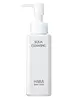
This oil-based cleanser is made to cleanse without leaving your skin tight or dry.
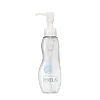
This oil-based makeup remover is made to dissolve makeup, sunscreen, and daily buildup.

What's inside
What's inside
 Key Ingredients
Benefits
Concerns
Ingredients Side-by-side
Cetyl Ethylhexanoate
EmollientSqualane
Emollient


Ethylhexyl Palmitate
Emollient




PEG-20 Glyceryl Triisostearate
Emollient
Polyglyceryl-10 Pentaisostearate
Emollient
Cetyl Ethylhexanoate, Squalane, Ethylhexyl Palmitate, PEG-20 Glyceryl Triisostearate, Polyglyceryl-10 Pentaisostearate, Polyglyceryl-6 Isostearate, Dextrin Palmitate/Ethylhexanoate, Glyceryl Tribehenate/Isostearate/Eicosandioate, Lithospermum Officinale Root Extract, Hibiscus Syriacus Flower Extract, Butylene Glycol, Water
Hydrogenated Polydecene
EmollientTriethylhexanoin
MaskingIsocetyl Myristate
EmollientCaprylic/Capric Triglyceride
Masking
PEG-20 Glyceryl Triisostearate
Emollient
Octyldodecyl Myristate
EmollientPEG-7 Glyceryl Cocoate
Emulsifying
Water
Skin ConditioningPhytosteryl/Octyldodecyl Lauroyl Glutamate
Skin ConditioningSqualane
Emollient
Butylene Glycol
Humectant
Perilla Ocymoides Leaf Extract
TonicTocopherol
Antioxidant




Citrus Unshiu Peel Extract
MaskingLonicera Japonica Flower Extract
Skin ConditioningGlycyrrhiza Glabra Leaf Extract
Skin ConditioningPrunus Persica Kernel Extract
MoisturisingAngelica Keiskei Leaf/Stem Extract
Skin ConditioningCoix Lacryma-Jobi Ma-Yuen Seed Extract
Skin ConditioningHydrogenated Polydecene, Triethylhexanoin, Isocetyl Myristate, Caprylic/Capric Triglyceride, PEG-20 Glyceryl Triisostearate, Octyldodecyl Myristate, PEG-7 Glyceryl Cocoate, Water, Phytosteryl/Octyldodecyl Lauroyl Glutamate, Squalane, Butylene Glycol, Perilla Ocymoides Leaf Extract, Tocopherol, Citrus Unshiu Peel Extract, Lonicera Japonica Flower Extract, Glycyrrhiza Glabra Leaf Extract, Prunus Persica Kernel Extract, Angelica Keiskei Leaf/Stem Extract, Coix Lacryma-Jobi Ma-Yuen Seed Extract
Ingredients Explained
These ingredients are found in both products.
Ingredients higher up in an ingredient list are typically present in a larger amount.
Butylene Glycol (or BG) is used within cosmetic products for a few different reasons:
Overall, Butylene Glycol is a safe and well-rounded ingredient that works well with other ingredients.
Though this ingredient works well with most skin types, some people with sensitive skin may experience a reaction such as allergic rashes, closed comedones, or itchiness.
Learn more about Butylene GlycolPEG-20 Glyceryl Triisostearate is a synthetic, oil-loving helper ingredient that does two jobs:
This ingredient is made by joining three building blocks: PEG, Isostearic Acid and glycerin. The PEG gives it the oil-and-water blending power.
This ingredient has been found safe for use in cosmetics and broader PEG family testing shows minimal irritation/sensitization. The molecule's large size also means it isn't expected to penetrate skin to any meaningful degree.
Fungal acne note: This ingredient may not be fungal acne safe due to isostearic acid (C18). Isostearic acid falls into the C11-24 range that Malassezia can feed on.
Learn more about PEG-20 Glyceryl TriisostearateSqualane is the hydrogenated and shelf-stable form of squalene (a lipid that naturally occurs in human sebum).
It is an emollient and skin conditioning agent that is able to integrate seamlessly into the skin's lipid barrier without clogging pores.
This is due to how structurally similar it is to what your skin already produces.
Though it is mostly an emollient that helps soften and hydrate skin, it also has some humectant and occlusive action. Humectants help the skin retain moisture while occlusives seal it in, making squalane a triple-threat moisturizer.
Research shows it has antioxidant capabilities that help protect against stressors like UV exposure, specifically UVA induced oxidative stress. This study also found that it supports collagen biosynthesis in human dermal fibroblasts.
No clinical study has reported significant adverse effects and irritation reactions are very rare from this ingredient (even at 100% concentration).
Overall, it's a fantastic ingredient for hydration and is suitable for all skin types.
This depends on the source. Squalane can be derived from both plants and animals. Most squalane used in skincare comes from plants.
Please note: the source of squalane is only known if disclosed by the brand. We recommend reaching out to the brand if you have any questions about their squalane.
Read more about squalene with an "e".
Though squalane is often called an oil, it’s technically not one. It is a hydrocarbon, meaning it is only made of carbon and hydrogen. True oils are triglycerides and made of fatty acids and glycerol.
The term “oil-free” isn’t regulated so companies can define it however they want. Some exclude all oils, while others just avoid mineral oil or comedogenic oils.
Squalane has a comedogenic rating of 1 from the original 1972 study that tested raw ingredients under occlusion on rabbit ears. This system is not standardized or peer-reviewed, and using the raw ingredients is very different from how diluted cosmetic formulations are used on human skin.
A comedogenic rating of 1 means it is "unlikely to clog pores" according to the original rating system.
The overall formula of a product matters more than the individual ingredients on whether or not it will cause clogged pores.
Learn more about SqualaneWater. It's the most common cosmetic ingredient of all. You'll usually see it at the top of ingredient lists, meaning that it makes up the largest part of the product.
So why is it so popular? Water most often acts as a solvent - this means that it helps dissolve other ingredients into the formulation.
You'll also recognize water as that liquid we all need to stay alive. If you see this, drink a glass of water. Remember to stay hydrated!
Learn more about Water

