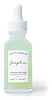
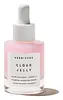
Earth Harbor Samphire E Sea-Retinol Digital Serum Versus Herbivore Cloud Jelly Pink Plumping Hydration Serum
This anti-aging serum is formulated around Sodium Hyaluronate to soften the look of wrinkles and hydrate skin.
This hydrating serum is formulated around Aloe Barbadensis Leaf Juice and Tremella Fuciformis Sporocarp Extract to hydrate skin and calm redness.

What's inside
What's inside
 Key Ingredients
Benefits
Concerns
No concerns
Ingredients Side-by-side
Musa Paradisiaca Fruit Juice
Skin ConditioningDimethyl Sulfone
SolventCocos Nucifera Water
Masking


Sodium Hyaluronate
Humectant



Sodium Lactate
Buffering
Crithmum Maritimum Extract
Skin ConditioningChondrus Crispus Extract
Skin Conditioning
Melia Azadirachta Leaf Extract
Skin ConditioningMelia Azadirachta Flower Extract
Skin ConditioningCaprylhydroxamic Acid
ChelatingGlyceryl Caprylate
EmollientGlycerin
Humectant
Lonicera Caprifolium Extract
AstringentMusa Paradisiaca Fruit Juice, Dimethyl Sulfone, Cocos Nucifera Water, Sodium Hyaluronate, Sodium Lactate, Crithmum Maritimum Extract, Chondrus Crispus Extract, Melia Azadirachta Leaf Extract, Melia Azadirachta Flower Extract, Caprylhydroxamic Acid, Glyceryl Caprylate, Glycerin, Lonicera Caprifolium Extract
Water
Skin ConditioningAloe Barbadensis Leaf Juice
Skin Conditioning
Glycerin
Humectant
Hydrolyzed Corn Starch Hydroxyethyl Ether
Emulsion StabilisingRosa Damascena Flower Water
Masking
Tremella Fuciformis Sporocarp Extract
Antioxidant
Collagen
Moisturising
Fragaria Vesca Fruit Extract
AstringentPrunus Persica Fruit Extract
Abrasive
Hibiscus Sabdariffa Flower Extract
Skin ConditioningLeuconostoc/Radish Root Ferment Filtrate
Antimicrobial

Microcrystalline Cellulose
AbsorbentSodium Phytate
ChelatingCellulose Gum
Emulsion StabilisingGluconolactone
Chelating





Glyceryl Caprylate
EmollientArginine
Masking
Caprylhydroxamic Acid
ChelatingEclipta Prostrata Extract
Skin Conditioning
Melia Azadirachta Leaf Extract
Skin ConditioningMoringa Oleifera Seed Oil
Emollient


Water, Aloe Barbadensis Leaf Juice, Glycerin, Hydrolyzed Corn Starch Hydroxyethyl Ether, Rosa Damascena Flower Water, Tremella Fuciformis Sporocarp Extract, Collagen, Fragaria Vesca Fruit Extract, Prunus Persica Fruit Extract, Hibiscus Sabdariffa Flower Extract, Leuconostoc/Radish Root Ferment Filtrate, Microcrystalline Cellulose, Sodium Phytate, Cellulose Gum, Gluconolactone, Glyceryl Caprylate, Arginine, Caprylhydroxamic Acid, Eclipta Prostrata Extract, Melia Azadirachta Leaf Extract, Moringa Oleifera Seed Oil
Reviews
Ingredients Explained
These ingredients are found in both products.
Ingredients higher up in an ingredient list are typically present in a larger amount.
Caprylhydroxamic Acid is a chelating agent that helps cosmetics stay fresh, stable, and consistent over time.
Chelating agents help prevent metal ions from binding to other ingredients. This helps prevent unwanted reactions and effects from using the product. It also helps prevent the growth of unwanted microbes in products that contain water.
Caprylhydroxamic Acid is often used with natural antimicrobial products as an alternative to preservatives.
Learn more about Caprylhydroxamic AcidGlycerin (or glycerol) is a compound naturally found in your skin. It's a powerhouse humectant that pulls water into the stratum corneum.
Topically, glycerin does several things at once:
Your skin makes glycerin on its own (mostly from sebaceous oil breakdown) and shuttles it to your outermost layer of skin, or your epidermis, via aquaporin-3.
Aquaporin-3 is a transporter that is essential for normal skin hydration, elasticity, and repair. Interestingly, mice lacking in AQP3 have dry and less elastic skin that can be fully corrected with glycerin.
This ingredient is non-irritating, plays well with almost every ingredient, and works across all skin types. Typical use is anywhere between 3-10% but can go up to 79% in some leave-on products.
Just know very high concentrations (>40%) can feel tacky in low humidity.
Glycerin is the name for this ingredient in American English. British English uses Glycerol/Glycerine.
Learn more about GlycerinGlyceryl Caprylate comes from glycerin and caprylic acid. It is an emollient, co-emulsifier, and preservative booster.
Its short C8 fatty acid chain makes it behave differently from its longer-chain emollient cousins like Glyceryl Stearate. It feels more lightweight, fast-absorbing, and silky instead of rich and waxy.
As a co-emulsifier, its "head" and "tail" sit at the oil-water interface. But overall, the short C8 tail and not being water soluble means it doesn't really have the muscle to emulsify a formula on its own. That's why you'll often see it paired with a primary emulsifier like Cetearyl Glucoside.
Interestingly, Glyceryl Caprylate acts as a preservative booster. This is because its fatty-acid backbone disrupts microbial lipid membranes. It shows excellent activity against bacteria and yeast but is weaker against mold.
Typical concentrations range from 0.5-1% and this ingredient is generally non-irritating.
Because this ingredient has a C8 fatty acid chain, it is outside the range that the Malassezia yeast metabolizes (making it fungal acne safe).
Learn more about Glyceryl CaprylateThis ingredient is also known as neem leaf extract. It contains natural compounds like nimbidin, quercetin, and other polyphenols that give it antibacterial, antifungal, and anti-inflammatory activity.
Lab studies have shown neem leaf extract can inhibit acne-related bacteria and help calm skin. Animal studies on wound gels using 1-3% neem leaf extract found it sped up healing without causing irritation.
A wound-healing study testing gels with the extract at 1%, 2%, and 3% concentrations and found none of them irritated the skin.
Most commercial products also use it in a similar low range (typically under 5%).
Allergy-wise, there are some case reports on neem oil causing allergic contact dermatitis so people with plant/botanical sensitivities may want to patch test first.
Learn more about Melia Azadirachta Leaf Extract

