
What's inside
What's inside
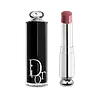 Key Ingredients
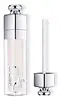
Benefits
Concerns
Ingredients Side-by-side
Methyl Hydrogenated Rosinate
Perfuming

Squalane
Emollient


Polyglyceryl-2 Triisostearate
Emulsifying

Helianthus Annuus Seed Wax
Skin Conditioning
Dimer Dilinoleyl Dimer Dilinoleate
EmollientHydrogenated Styrene/Methylstyrene/Indene Copolymer
Trimethylolpropane Triisostearate
Emollient
Sorbitan Olivate
Emulsifying
Stearyl Heptanoate
Emollient


Cera Alba
Emollient
Stearyl Caprylate
EmollientSucrose Tetrastearate Triacetate
Emollient
Oryza Sativa Bran Wax
Skin Conditioning
Calcium Aluminum Borosilicate
Jasminum Officinale Flower Wax
EmollientPrunus Domestica Seed Oil
Skin Conditioning
Parfum
Masking
Pentaerythrityl Tetra-Di-T-Butyl Hydroxyhydrocinnamate
Antioxidant
Propyl Gallate
Antioxidant
Tocopherol
Antioxidant



Tocopheryl Acetate
Antioxidant
Jasminum Grandiflorum Flower Extract
Masking
CI 77891
Cosmetic ColorantCI 77492
Cosmetic ColorantCI 15850
Cosmetic ColorantCI 42090
Cosmetic ColorantMethyl Hydrogenated Rosinate, Squalane, Polyglyceryl-2 Triisostearate, Helianthus Annuus Seed Wax, Dimer Dilinoleyl Dimer Dilinoleate, Hydrogenated Styrene/Methylstyrene/Indene Copolymer, Trimethylolpropane Triisostearate, Sorbitan Olivate, Stearyl Heptanoate, Cera Alba, Stearyl Caprylate, Sucrose Tetrastearate Triacetate, Oryza Sativa Bran Wax, Calcium Aluminum Borosilicate, Jasminum Officinale Flower Wax, Prunus Domestica Seed Oil, Parfum, Pentaerythrityl Tetra-Di-T-Butyl Hydroxyhydrocinnamate, Propyl Gallate, Tocopherol, Tocopheryl Acetate, Jasminum Grandiflorum Flower Extract, CI 77891, CI 77492, CI 15850, CI 42090
Methyl Hydrogenated Rosinate
Perfuming
Dimer Dilinoleyl Dimer Dilinoleate
EmollientPolyglyceryl-2 Triisostearate
Emulsifying
Polyglyceryl-10 Decaisostearate
EmollientJojoba Esters
Emollient
Polyglyceryl-3 Beeswax
Emulsifying
Glyceryl Behenate/Eicosadioate
Emollient
Ethylhexyl Palmitate
Emollient
Dipalmitoyl Hydroxyproline
Skin Conditioning
Menthoxypropanediol
Masking
Parfum
Masking
Synthetic Fluorphlogopite
Silica
Abrasive


Prunus Avium Seed Oil
Emollient
Ethyl Vanillin
MaskingTocopherol
Antioxidant
Trihydroxystearin
Skin Conditioning
Capsicum Frutescens Fruit Extract
Skin Conditioning
Tin Oxide
Abrasive
Sodium Hyaluronate
Humectant
Glucomannan
Skin ConditioningCI 77891
Cosmetic ColorantMethyl Hydrogenated Rosinate, Dimer Dilinoleyl Dimer Dilinoleate, Polyglyceryl-2 Triisostearate, Polyglyceryl-10 Decaisostearate, Jojoba Esters, Polyglyceryl-3 Beeswax, Glyceryl Behenate/Eicosadioate, Ethylhexyl Palmitate, Dipalmitoyl Hydroxyproline, Menthoxypropanediol, Parfum, Synthetic Fluorphlogopite, Silica, Prunus Avium Seed Oil, Ethyl Vanillin, Tocopherol, Trihydroxystearin, Capsicum Frutescens Fruit Extract, Tin Oxide, Sodium Hyaluronate, Glucomannan, CI 77891
Reviews
Alternatives
Ingredients Explained
These ingredients are found in both products.
Ingredients higher up in an ingredient list are typically present in a larger amount.
Ci 77891 is a white pigment from Titanium dioxide. It is naturally found in minerals such as rutile and ilmenite.
It's main function is to add a white color to cosmetics. It can also be mixed with other colors to create different shades.
Ci 77891 is commonly found in sunscreens due to its ability to block UV rays.
Learn more about CI 77891We don't have a description for Dimer Dilinoleyl Dimer Dilinoleate yet.
Methyl Hydrogenated Rosinate is a fragrance.
Parfum is a catch-all term for an ingredient or more that is used to give a scent to products.
Also called "fragrance", this ingredient can be a blend of hundreds of chemicals or plant oils. This means every product with "fragrance" or "parfum" in the ingredients list is a different mixture.
For instance, Habanolide is a proprietary trade name for a specific aroma chemical. When used as a fragrance ingredient in cosmetics, most aroma chemicals fall under the broad labeling category of “FRAGRANCE” or “PARFUM” according to EU and US regulations.
The term 'parfum' or 'fragrance' is not regulated in many countries. In many cases, it is up to the brand to define this term.
For instance, many brands choose to label themselves as "fragrance-free" because they are not using synthetic fragrances. However, their products may still contain ingredients such as essential oils that are considered a fragrance by INCI standards.
One example is Calendula flower extract. Calendula is an essential oil that still imparts a scent or 'fragrance'.
Depending on the blend, the ingredients in the mixture can cause allergies and sensitivities on the skin. Some ingredients that are known EU allergens include linalool and citronellol.
Parfum can also be used to mask or cover an unpleasant scent.
The bottom line is: not all fragrances/parfum/ingredients are created equally. If you are worried about fragrances, we recommend taking a closer look at an ingredient. And of course, we always recommend speaking with a professional.
Learn more about ParfumPolyglyceryl-2 Triisostearate is a plant-derived emulsifier and pigment-dispersing agent with a non-sticky skin feel.
It helps products glide on smoothly and prevents oil and water from separating in a formula, making it suitable for sunscreen and makeup formulations.
The EU inventory of cosmetics has no use restrictions on this ingredient and it is considered well-tolerated.
This ingredient may not be fungal acne safe because it is derived from isostearic acid.
Learn more about Polyglyceryl-2 TriisostearateTocopherol is a fat-soluble antioxidant known as Vitamin E.
You'll find this ingredient in the vast majority of skincare (for good reason). It works to neutralize free radicals, or unstable molecules generated by UV exposure, pollution, and other environmental stressors, before they can cause oxidative damage to your skin cells.
Topically applied tocopherol has been shown to protect against UV damage by ramping up the skin's own natural defense enzymes.
It also acts as a skin conditioning agent; some studies show that regular topical use can improve the skin's water-binding capacity over 2-4 weeks.
This ingredient is especially loved for being a team player. When combined with Vitamin C, the photoprotective effect of both ingredients roughly doubles and the combo also helps reduce UV-induced DNA damage.
This ingredient has some brightening potential but it's more of a prevention ingredient than spot-fader. Cell studies show it can slow down melanin production but it's worth noting that it's not the most powerful brightener out there.
In formulations, it also serves as a stabilizer that helps protect other oxidation-prone ingredients from degrading.
Concentrations usually range from 0.1-1% in most leave-on products.
Learn more about Tocopherol

