

What's inside
What's inside
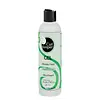 Key Ingredients
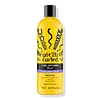
No key ingredients
Benefits
Concerns
Ingredients Side-by-side

Water
Skin ConditioningVp/Va Copolymer
Oleth-20
CleansingAcrylates/C10-30 Alkyl Acrylate Crosspolymer
Emulsion StabilisingAminomethyl Propanol
BufferingPhenoxyethanol
Preservative
Caprylyl Glycol
Emollient
Parfum
Masking




Sodium Gluconate
ChelatingPropylene Glycol
Humectant
Aloe Barbadensis Leaf Juice
Skin Conditioning

Tocopherol
Antioxidant





Citric Acid
Buffering
Limonene
Perfuming
Coumarin
Perfuming
Hexyl Cinnamal
Perfuming
Benzyl Alcohol
Perfuming
Benzyl Salicylate
Perfuming
Alpha-Isomethyl Ionone
Perfuming
Hydroxycitronellal
Perfuming
Water, Vp/Va Copolymer, Oleth-20, Acrylates/C10-30 Alkyl Acrylate Crosspolymer, Aminomethyl Propanol, Phenoxyethanol, Caprylyl Glycol, Parfum, Sodium Gluconate, Propylene Glycol, Aloe Barbadensis Leaf Juice, Tocopherol, Citric Acid, Limonene, Coumarin, Hexyl Cinnamal, Benzyl Alcohol, Benzyl Salicylate, Alpha-Isomethyl Ionone, Hydroxycitronellal
Ingredients Explained
These ingredients are found in both products.
Ingredients higher up in an ingredient list are typically present in a larger amount.
Caprylyl Glycol is a humectant, skin conditioner, emollient, and preservative booster derived from either caprylic acid or synthetically created.
Typical use levels vary from 0.3-1% as a preservative booster and go up to 2% to condition skin.
Because it is not a free-fatty acid, this ingredient is fungal acne safe (there's nothing for Malassezia to feed on).
Learn more about Caprylyl GlycolOleth-20 comes from oleyl alcohol. It is an emulsifier that helps reduce surface tension of dirt and pollutants to be washed away.
The 20 stands for the average number of ethylene oxide units.
Propylene Glycol is a synthetic, colorless, odorless liquid that has been a staple in cosmetics for decades. It is a skin conditioning agent, humectant, and solvent.
As a humectant, it draw water to the skin to reduce flaking and restore suppleness. It's also a solvent that helps dissolve other actives and keeps formulas stable across temperature changes.
The CIR Expert Panel has confirmed this ingredient to be nontoxic and clinical studies show no sensitization at cosmetic use concentrations.
True allergic reactions are quite rare: a 15-year retrospective study of 6,751 patients found only 0.31% had a positive reaction (and less than half were considered clinically relevant).
It seemed that when sensitization does occur, it's most commonly linked to topical medication (like corticosteroids) and not cosmetics. Allergic contact dermatitis also appears largely limited to individuals with underlying skin conditions.
Overall, propylene glycol is a well-studied ingredient that most people can tolerate without issue.
Learn more about Propylene GlycolVP/VA Copolymer is a synthetic polymer made by joining two smaller molecules (vinylpyrrolidone and vinyl acetate) into a larger chain.
It is mainly used as a film-former and fixing agent. When a product dries, it creates a thin and flexible layer on the skin, hair, or nails. This film helps hold hairstyles into place, adds a smooth feel to skin, and traps moisture to reduce dryness.
Irritation is rare at normal concentrations and it doesn't penetrate deeply into skin.
Learn more about Vp/Va CopolymerWater. It's the most common cosmetic ingredient of all. You'll usually see it at the top of ingredient lists, meaning that it makes up the largest part of the product.
So why is it so popular? Water most often acts as a solvent - this means that it helps dissolve other ingredients into the formulation.
You'll also recognize water as that liquid we all need to stay alive. If you see this, drink a glass of water. Remember to stay hydrated!
Learn more about Water

