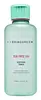
This calming toner is formulated around Centella Asiatica Extract and Panthenol to calm redness and clear breakouts.
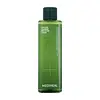
This acne toner is formulated around Melaleuca Alternifolia Leaf Oil and Melaleuca Alternifolia Leaf Water to clear breakouts and calm redness.

What's inside
What's inside
 Key Ingredients
Benefits
Concerns
Ingredients Side-by-side
Melaleuca Alternifolia Leaf Extract
Perfuming
Dipropylene Glycol
HumectantCentella Asiatica Extract
Cleansing





Butylene Glycol
Humectant
Melaleuca Alternifolia Flower/Leaf/Stem Extract
Skin ConditioningBetaine
Humectant
Panthenol
Skin Conditioning
Sodium Citrate
BufferingCitric Acid
Buffering


Melaleuca Alternifolia Leaf Oil
Antioxidant






Betaine Salicylate
Antimicrobial

Xanthan Gum
EmulsifyingWater
Skin ConditioningEthylhexylglycerin
Skin ConditioningPentylene Glycol
Skin Conditioning
Octyldodeceth-16
EmulsifyingCholeth-24
EmulsifyingMelaleuca Alternifolia Leaf Water
Antimicrobial
1,2-Hexanediol
Skin Conditioning
Tocopherol
Antioxidant

Melaleuca Alternifolia Leaf Extract, Dipropylene Glycol, Centella Asiatica Extract, Butylene Glycol, Melaleuca Alternifolia Flower/Leaf/Stem Extract, Betaine, Panthenol, Sodium Citrate, Citric Acid, Melaleuca Alternifolia Leaf Oil, Betaine Salicylate, Xanthan Gum, Water, Ethylhexylglycerin, Pentylene Glycol, Octyldodeceth-16, Choleth-24, Melaleuca Alternifolia Leaf Water, 1,2-Hexanediol, Tocopherol

Reviews
Ingredients Explained
These ingredients are found in both products.
Ingredients higher up in an ingredient list are typically present in a larger amount.
Ethylhexylglycerin is created from glycerin. It is a multitasker ingredient that:
The CIR Expert Panel found minimal skin absorption or sensitization of any kind in a safety assessment. Though this ingredient is considered well-tolerated, a small number of cases of allergic dermatitis have been published since 2002. Just be sure to patch test if you are unsure.
Industry-reported use ranges from 8% in rinse-off products and 2% in leave-on formulations.
Learn more about EthylhexylglycerinThis ingredient is also known as tea tree oil. It has antioxidant, anti-inflammatory, and antimicrobial properties.
Tea tree oil is a complex lipophilic (fat-loving) oil that contains around 100 compounds with terpinen-4-ol being the most abundant (~40%).
Terpinen-4-ol is responsible for tea tree oil's broad-spectrum antimicrobial activity and makes it a well-researched option for acne.
Clinical studies support 5% tea tree oil as an effective topical treatment for mild to moderate acne. A study with 124 patients compared 5% tea tree oil gel to 5% benzoyl peroxide and both reduced acne (though tea tree oil worked more slowly).
Besides acne, it is also seen in anti-dandruff shampoos and scalp treatments for it's antimicrobial and anti-seborrheic properties.
Safety-wise, the allergic potential of low concentrations on healthy skin is considered low. However, oxidized (old or improperly stored) tea tree oil is a stronger sensitizer.
Irritation can also occur if using the undiluted oil on skin; it's best to use this ingredient as part of a carefully crafted cosmetic formula. This is because regulations require tea tree oil in cosmetics to be stabilized to prevent degradation.
This ingredient has been deemed safe up to 2% in shampoo, 1% in cleansers, and 0.1% in face cream by the EU's Scientific Committee on Consumer Safety (SCCS).
There is some lab evidence that tea tree oil is antifungal against Malassezia, but it is a supportive option at best and not a replacement for proven antifungal treatments.
Learn more about Melaleuca Alternifolia Leaf OilThis ingredient is also known as tea tree leaf water or tea tree hydrosol. It functions as an antimicrobial, anti-sebum, astringent, and tonic ingredient.
You can think of it as a gentler, water-version of tea tree oil.
Its star active is terpinen-4-ol, a broad-spectrum antimicrobial.
The water-soluble compounds of tea tree have been shown to calm inflammation by roughly 50% in vitro (with Terpinen-4-ol driving this).
Terpinen-4-ol has also demonstrated strong inhibitory activity against Propionibacterium acnes and Staphylococcus aureus.
Before slathering on tea tree water, just know concentrations under 5% are considered more suitable and safer than higher concentrations.
The European Medicines Agency recognizes tea tree-derived ingredients as having well-established use for mild acne and small superficial wounds.
It's a well-researched and skin-friendly option for oily or acne-prone skin.
As with most actives, patch testing is a good idea if your skin leans sensitive.
Learn more about Melaleuca Alternifolia Leaf WaterOctyldodeceth-16 is a lab-made ingredient that acts as an emulsifier that helps blend water + oil ingredients.
The Cosmetic Ingredient Review has deemed it safe for as in cosmetics and usage concentrations typically range from 0.1-2%.
Like other emulsifiers, this ingredient can cause mild skin irritation or sensitivity in a small amount of people. A patch test is reasonable if you have sensitive skin.
Learn more about Octyldodeceth-16Water. It's the most common cosmetic ingredient of all. You'll usually see it at the top of ingredient lists, meaning that it makes up the largest part of the product.
So why is it so popular? Water most often acts as a solvent - this means that it helps dissolve other ingredients into the formulation.
You'll also recognize water as that liquid we all need to stay alive. If you see this, drink a glass of water. Remember to stay hydrated!
Learn more about Water

