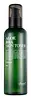
This acne toner is formulated around Salicylic Acid and Snail Secretion Filtrate to clear breakouts and calm redness.
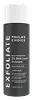
This smoothing exfoliator is formulated around Salicylic Acid to refine skin texture and refine the look of pores.


What's inside
What's inside
 Key Ingredients
Benefits
Concerns
Ingredients Side-by-side
Salicylic Acid 0.5%
Masking










Aloe Barbadensis Leaf Water
MaskingSodium Hyaluronate
Humectant




Snail Secretion Filtrate
Skin Conditioning


Glycerin
Humectant
Pentylene Glycol
Skin Conditioning
Zanthoxylum Piperitum Fruit Extract
Skin ConditioningPulsatilla Koreana Extract
Skin ConditioningUsnea Barbata Extract
Polysorbate 20
Emulsifying
Arginine
Masking
Althaea Rosea Root Extract
HumectantAloe Barbadensis Leaf Extract
Emollient
Aloe Barbadensis Leaf Juice
Skin Conditioning
Beta-Glucan
Skin Conditioning
Polyglutamic Acid
Skin Conditioning
Aspalathus Linearis Extract
Skin ConditioningPortulaca Oleracea Extract
Skin Conditioning
Psidium Guajava Fruit Extract
AstringentSalicylic Acid 0.5%, Aloe Barbadensis Leaf Water, Sodium Hyaluronate, Snail Secretion Filtrate, Glycerin, Pentylene Glycol, Zanthoxylum Piperitum Fruit Extract, Pulsatilla Koreana Extract, Usnea Barbata Extract, Polysorbate 20, Arginine, Althaea Rosea Root Extract, Aloe Barbadensis Leaf Extract, Aloe Barbadensis Leaf Juice, Beta-Glucan, Polyglutamic Acid, Aspalathus Linearis Extract, Portulaca Oleracea Extract, Psidium Guajava Fruit Extract
Reviews
Alternatives
Ingredients Explained
These ingredients are found in both products.
Ingredients higher up in an ingredient list are typically present in a larger amount.
Polysorbate 20 is a gentle, water-soluble emulsifier and mild surfactant. It stops oil and water from separating to keep your formulas blended and stable.
It also acts as a mild penetration enhancer by helping active ingredients absorb slightly better.
The common safety discussion around this ingredient involves a manufacturing byproduct called 1,4-dioxane.
Trace amounts can form during production but the EU's Scientific Committee on Consumer Safety has concluded that levels at/below 10 ppm in finished products are safe (commercial products consistently fall within acceptable margins).
True allergic reactions are uncommon and the CIR Expert Panel has confirmed this ingredient to be safe as used in cosmetics.
Because it is derived from lauric acid, it may not be fungal acne safe.
Learn more about Polysorbate 20Salicylic Acid (also known as beta hydroxy acid or BHA) is a well-known ingredient for treating skin that struggles with acne and clogged pores. It exfoliates both the skin's surface and deep within the pores to help clear out buildup, control oil, and reduce inflammation.
Unlike AHAs (alpha hydroxy acids), salicylic acid is oil-soluble. This allows it to penetrate into pores which makes it especially effective for treating blackheads and preventing future breakouts.
Salicylic acid is also known for its soothing properties. It has a similar structure to aspirin and can calm inflamed or irritated skin, making it a good option for acne-prone skin that is also sensitive.
Concentrations of 0.5-2% are recognized by the U.S. FDA as an over-the-counter topical acne product.
It can cause irritation and/or dryness if one's skin already has a compromised moisture barrier, so it's best to focus on repairing that before introducing this ingredient into your routine.
While salicylic acid does not increase sun sensitivity, it’s still important to wear sunscreen daily to protect your skin.
If you are looking for the ingredient called BHA or Butylated Hydroxyanisole, click here.
Learn more about Salicylic Acid

