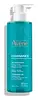
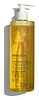
This mild gel makeup remover is made to dissolve makeup, sunscreen, and daily buildup.

What's inside
What's inside
 Key Ingredients
Benefits
Concerns
Ingredients Side-by-side
Water
Skin ConditioningZinc Coceth Sulfate
Cleansing
Lauryl Betaine
CleansingDecyl Glucoside
Cleansing
Ceteareth-60 Myristyl Glycol
EmulsifyingPEG-7 Glyceryl Cocoate
Emulsifying



Polysorbate 20
Emulsifying
Citric Acid
Buffering

Parfum
Masking


CI 61570
Cosmetic ColorantIsopropyl Alcohol
Solvent
PEG-40 Hydrogenated Castor Oil
Emulsifying
PEG-6
HumectantPPG-26-Buteth-26
Skin ConditioningSilybum Marianum Fruit Extract
Skin Conditioning
Sodium Benzoate
Masking
Sodium Chloride
MaskingSodium Hydroxide
BufferingTrisodium Ethylenediamine Disuccinate
CI 19140
Cosmetic ColorantZinc Gluconate
Skin Conditioning



Water, Zinc Coceth Sulfate, Lauryl Betaine, Decyl Glucoside, Ceteareth-60 Myristyl Glycol, PEG-7 Glyceryl Cocoate, Polysorbate 20, Citric Acid, Parfum, CI 61570, Isopropyl Alcohol, PEG-40 Hydrogenated Castor Oil, PEG-6, PPG-26-Buteth-26, Silybum Marianum Fruit Extract, Sodium Benzoate, Sodium Chloride, Sodium Hydroxide, Trisodium Ethylenediamine Disuccinate, CI 19140, Zinc Gluconate
Water
Skin ConditioningGlycerin
Humectant


Hydrogenated Starch Hydrolysate
HumectantDisodium Cocoamphodiacetate
CleansingDecyl Glucoside
Cleansing
Polysorbate 20
Emulsifying
Sodium Chloride
MaskingCeteareth-60 Myristyl Glycol
EmulsifyingAquaphilus Dolomiae Extract
Skin Conditioning
Arginine
Masking
Citric Acid
Buffering
Coco-Glucoside
Cleansing
Evening Primrose Oil/Palm Oil Aminopropanediol Esters
Skin Conditioning
Glyceryl Oleate
Emollient
Glycine
Buffering
Hydrogenated Vegetable Glycerides Citrate
EmollientSimmondsia Chinensis Seed Oil
Emollient
Sodium Benzoate
Masking
Tocopherol
Antioxidant



Trisodium Ethylenediamine Disuccinate
Water, Glycerin, Hydrogenated Starch Hydrolysate, Disodium Cocoamphodiacetate, Decyl Glucoside, Polysorbate 20, Sodium Chloride, Ceteareth-60 Myristyl Glycol, Aquaphilus Dolomiae Extract, Arginine, Citric Acid, Coco-Glucoside, Evening Primrose Oil/Palm Oil Aminopropanediol Esters, Glyceryl Oleate, Glycine, Hydrogenated Vegetable Glycerides Citrate, Simmondsia Chinensis Seed Oil, Sodium Benzoate, Tocopherol, Trisodium Ethylenediamine Disuccinate
Reviews
Ingredients Explained
These ingredients are found in both products.
Ingredients higher up in an ingredient list are typically present in a larger amount.
We don't have a description for Ceteareth-60 Myristyl Glycol yet.
Citric Acid is an alpha hydroxy acid (AHA) naturally found in citrus fruits like oranges, lemons, and limes.
Like other AHAs, citric acid can exfoliate skin by breaking down the bonds that hold dead skin cells together. This helps reveal smoother and brighter skin underneath.
However, this exfoliating effect only happens at high concentrations (20%) which can be hard to find in cosmetic products.
Due to this, citric acid is usually included in small amounts as a pH adjuster. This helps keep products slightly more acidic and compatible with skin's natural pH.
In skincare formulas, citric acid can:
While it can provide some skin benefits, research shows lactic acid and glycolic acid are generally more effective and less irritating exfoliants.
Most citric acid used in skincare today is made by fermenting sugars (usually from molasses). This synthetic version is identical to the natural citrus form but easier to stabilize and use in formulations.
Read more about some other popular AHA's here:
Learn more about Citric AcidDecyl Glucoside is a plant-derived surfactant and emulsion stabilizer. It is created by reacting glucose with the fatty acids from plants.
Like all surfactants, it works by lowering the surface tension between water and oil. This makes it so that dirt, sebum, and makeup can be lifted off your skin and rinsed away. It also produces a dense and creamy foam.
Because it has a neutral charge, it is compatible with a wide range of ingredients and stays stable across a broad pH range/water hardiness conditions.
Patch testing has shown it to have the lowest irritation potential among common cleansing surfactants (like SLS).
Typical use levels range from 5-20% in rinse-off cleansers.
One thing worth knowing: The American Contact Dermatitis Society named the parent family, alkyl glucosides, "Allergen of the Year" in 2017. The prevalence of allergy is pretty low but be sure to patch test if you've reacted to "gentle" or sulfate-free cleansers before.
This ingredient is fungal acne safe because the fatty alcohol portion of this ingredient is not within the C11-24 chain length that Malassezia can metabolize.
Learn more about Decyl GlucosidePolysorbate 20 is a gentle, water-soluble emulsifier and mild surfactant. It stops oil and water from separating to keep your formulas blended and stable.
It also acts as a mild penetration enhancer by helping active ingredients absorb slightly better.
The common safety discussion around this ingredient involves a manufacturing byproduct called 1,4-dioxane.
Trace amounts can form during production but the EU's Scientific Committee on Consumer Safety has concluded that levels at/below 10 ppm in finished products are safe (commercial products consistently fall within acceptable margins).
True allergic reactions are uncommon and the CIR Expert Panel has confirmed this ingredient to be safe as used in cosmetics.
Because it is derived from lauric acid, it may not be fungal acne safe.
Learn more about Polysorbate 20Sodium Benzoate is a preservative. It's used in both cosmetic and food products to inhibit the growth of mold and bacteria. It is typically produced synthetically.
Both the US FDA and EU Health Committee have approved the use of sodium benzoate. In the US, levels of 0.1% (of the total product) are allowed.
Sodium benzoate works as a preservative by inhibiting the growth of bacteria inside of cells. It prevents the cell from fermenting a type of sugar using an enzyme called phosphofructokinase.
It is the salt of benzoic acid. Foods containing sodium benzoate include soda, salad dressings, condiments, fruit juices, wines, and snack foods.
Studies for using ascorbic acid and sodium benzoate in cosmetics are lacking, especially in skincare routines with multiple steps.
We always recommend speaking with a professional, such as a dermatologist, if you have any concerns.
Learn more about Sodium BenzoateChances are, you eat sodium chloride every day. Sodium Chloride is also known as table salt. This ingredient has many purposes in skincare: thickener, emulsifier, and exfoliator.
You'll most likely find this ingredient in cleansers where it is used to create a gel-like texture. As an emulsifier, it also prevents ingredients from separating.
You might see people debate whether Sodium Chloride is comedogenic, but there actually haven't been any comedogenic tests done on it. Either way, the overall formulation of a product matters a lot more than any single ingredient.
You might see this ingredient used in scrubs as a primary exfoliating ingredient.
Learn more about Sodium ChlorideTrisodium Ethylenediamine Disuccinate is used to help stabilize a product.
It is a chelating agent, meaning it helps prevent metal ions from binding to other ingredients. This prevents unwanted reactions in products. Metal ions can come into a product via the water ingredient. They are found in trace amounts and are not known to be harmful.
Water. It's the most common cosmetic ingredient of all. You'll usually see it at the top of ingredient lists, meaning that it makes up the largest part of the product.
So why is it so popular? Water most often acts as a solvent - this means that it helps dissolve other ingredients into the formulation.
You'll also recognize water as that liquid we all need to stay alive. If you see this, drink a glass of water. Remember to stay hydrated!
Learn more about Water

