About Tone Sebum Cut Powder Pact Versus Ellana Mineral Cosmetics Stay Matte Poreless Oil Control Powder


What's inside
What's inside
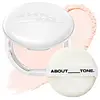 Key Ingredients
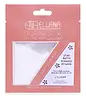
Benefits
Concerns
No concerns
Ingredients Side-by-side
Talc
Abrasive
Silica
Abrasive

Caprylic/Capric Triglyceride
Masking


Aluminum Starch Octenylsuccinate
Absorbent
Methyl Methacrylate Crosspolymer
Phenyl Trimethicone
Skin Conditioning
Dimethicone
Emollient
Boron Nitride
Absorbent
Dimethiconol Stearate
EmollientDiisostearyl Malate
EmollientCI 19140
Cosmetic ColorantEthylhexylglycerin
Skin ConditioningGlyceryl Caprylate
EmollientCI 77492
Cosmetic ColorantCI 15850
Cosmetic ColorantTocopheryl Acetate
Antioxidant


Allantoin
Skin Conditioning

Water
Skin ConditioningCentella Asiatica Extract
Cleansing

Butylene Glycol
Humectant
1,2-Hexanediol
Skin Conditioning
Citrus Junos Fruit Extract
Skin ConditioningCitrus Limon Fruit Extract
Masking
Talc, Silica, Caprylic/Capric Triglyceride, Aluminum Starch Octenylsuccinate, Methyl Methacrylate Crosspolymer, Phenyl Trimethicone, Dimethicone, Boron Nitride, Dimethiconol Stearate, Diisostearyl Malate, CI 19140, Ethylhexylglycerin, Glyceryl Caprylate, CI 77492, CI 15850, Tocopheryl Acetate, Allantoin, Water, Centella Asiatica Extract, Butylene Glycol, 1,2-Hexanediol, Citrus Junos Fruit Extract, Citrus Limon Fruit Extract





Reviews
Ingredients Explained
These ingredients are found in both products.
Ingredients higher up in an ingredient list are typically present in a larger amount.
Aluminum Starch Octenylsuccinate is a synthetic powder used as an absorbent, thickener, and anti-caking agent.
As an absorbent, it is great at mattifying skin by soaking up the oil. This is why you'll find it in a range of products from makeup to moisturizers.
This ingredient is considered a modified starch. Starch can also be found naturally in plants.
One study from 1991 found that 5% of this ingredient enhanced titanium dioxide SPF by as much as 40%. The study found 1% titanium dioxide had a 5.6 SPF and adding 5% of aluminum starch octenylsuccinate boosted it to an SPF of 8.1
Although “aluminum” in an ingredient name can raise red flags for some consumers, the form and usage context matter significantly. For typical topical applications, there is no substantial evidence of health risks - such as cancer, neurotoxicity, or systemic “aluminum overload.”
Learn more about Aluminum Starch Octenylsuccinate

