Bellisso Tea Tree Shampoo
A shampoo with 24 ingredients.
Shampoo with 24 ingredients
We independently verify ingredients, backed by peer-reviewed research. Suggest an update.
What's inside
Ingredients List
Water
Skin ConditioningSodium Lauroyl Sarcosinate
CleansingCocamidopropyl Betaine
Cleansing



Cocamide Methyl Mea
Foam Boosting
Hydroxyethyl Urea
Humectant
Hydrolyzed Keratin
Humectant
Hydrolyzed Collagen Pg-Propyl Methylsilanediol
Skin Conditioning
Sodium Lauroyl Hydrolyzed Silk
Skin ConditioningPPG-3 Caprylyl Ether
Foam BoostingPolyquaternium-10
Hydroxypropyl Guar Hydroxypropyltrimonium Chloride
Melaleuca Alternifolia Leaf Oil
Antioxidant





Citric Acid
Buffering

PEG-120 Methyl Glucose Dioleate
Emulsifying
Propylene Glycol
Humectant
Laurylpyridinium Chloride
AntimicrobialDecyloxazolidinone
AntimicrobialDisodium EDTA
ChelatingMagnesium Nitrate
Methylchloroisothiazolinone
Preservative
Magnesium Chloride
Methylisothiazolinone
Preservative
Allantoin
Skin Conditioning



Triethanolamine
BufferingWater, Sodium Lauroyl Sarcosinate, Cocamidopropyl Betaine, Cocamide Methyl Mea, Hydroxyethyl Urea, Hydrolyzed Keratin, Hydrolyzed Collagen Pg-Propyl Methylsilanediol, Sodium Lauroyl Hydrolyzed Silk, PPG-3 Caprylyl Ether, Polyquaternium-10, Hydroxypropyl Guar Hydroxypropyltrimonium Chloride, Melaleuca Alternifolia Leaf Oil, Citric Acid, PEG-120 Methyl Glucose Dioleate, Propylene Glycol, Laurylpyridinium Chloride, Decyloxazolidinone, Disodium EDTA, Magnesium Nitrate, Methylchloroisothiazolinone, Magnesium Chloride, Methylisothiazolinone, Allantoin, Triethanolamine
Key Ingredients
Benefits
Concerns
Ingredients Explained
Water. It's the most common cosmetic ingredient of all. You'll usually see it at the top of ingredient lists, meaning that it makes up the largest part of the product.
So why is it so popular? Water most often acts as a solvent - this means that it helps dissolve other ingredients into the formulation.
You'll also recognize water as that liquid we all need to stay alive. If you see this, drink a glass of water. Remember to stay hydrated!
Learn more about WaterSodium Lauroyl Sarcosinate is a cleansing agent and emulsifier. It is a surfactant derived from sarcosine, and a common source is coconut oil.
As a surfactant, Sodium Lauroyl Sarcosinate helps lift dirts, oil, and other molecules to be washed away. In leave-on products, this ingredient is used as an emulsifier. Emulsifier help prevent ingredients such as oils and waters from separating.
Sodium Lauroyl Sarcosinate is also commonly found as a foaming agent in shampoo, toothpaste, and shaving foam. It is amphiphilic, meaning it loves both water and fats.
Learn more about Sodium Lauroyl SarcosinateCocamidopropyl Betaine is a fatty acid created by mixing similar compounds in coconut oil and dimethylaminopropylamine, a compound with two amino groups.
This ingredient is a surfactant and cleanser. It helps gather the dirt, pollutants, and other impurities in your skin to be washed away. It also helps thicken a product and make the texture more creamy.
Being created from coconut oil means Cocamidopropyl Betaine is hydrating for the skin.
While Cocamidopropyl Betaine was believed to be an allergen, a study from 2012 disproved this. It found two compounds in unpure Cocamidopropyl Betaine to be the irritants: aminoamide and 3-dimethylaminopropylamine. High-grade and pure Cocamidopropyl Betaine did not induce allergic reactions during this study.
Learn more about Cocamidopropyl BetaineWe don't have a description for Cocamide Methyl Mea yet.
Hydrolyzed Keratin is derived from keratin. Keratin is a large protein that is naturally found in our hair and skin.
Studies show keratin is able to seal broken hair cuticles, helping to prevent split ends and breakage.
As a humectant, hydrolyzed keratin helps draw moisture from the air to your hair and skin. This helps keep your skin and hair hydrated.
Learn more about Hydrolyzed KeratinHydrolyzed Collagen Pg-Propyl Methylsilanediol can help to reduce the effects of aging.
We don't have a description for Sodium Lauroyl Hydrolyzed Silk yet.
We don't have a description for PPG-3 Caprylyl Ether yet.
Polyquaternium-10 is an ammonium salt of hydroxyethylcellulose. It is a white and granular powder used as a film-former and anti-static agent.
This ingredient is commonly found in hair conditioning products. According to a manufacturer, its positive charge makes it great for absorbing hair proteins. The manufacturer also states this ingredient helps with curl retention.
For haircare friends: this ingredient is not a silicone.
Learn more about Polyquaternium-10We don't have a description for Hydroxypropyl Guar Hydroxypropyltrimonium Chloride yet.
This ingredient is also known as tea tree oil. It has antioxidant, anti-inflammatory, and antimicrobial properties.
Tea tree oil is a complex lipophilic (fat-loving) oil that contains around 100 compounds with terpinen-4-ol being the most abundant (~40%).
Terpinen-4-ol is responsible for tea tree oil's broad-spectrum antimicrobial activity and makes it a well-researched option for acne.
Clinical studies support 5% tea tree oil as an effective topical treatment for mild to moderate acne. A study with 124 patients compared 5% tea tree oil gel to 5% benzoyl peroxide and both reduced acne (though tea tree oil worked more slowly).
Besides acne, it is also seen in anti-dandruff shampoos and scalp treatments for it's antimicrobial and anti-seborrheic properties.
Safety-wise, the allergic potential of low concentrations on healthy skin is considered low. However, oxidized (old or improperly stored) tea tree oil is a stronger sensitizer.
Irritation can also occur if using the undiluted oil on skin; it's best to use this ingredient as part of a carefully crafted cosmetic formula. This is because regulations require tea tree oil in cosmetics to be stabilized to prevent degradation.
This ingredient has been deemed safe up to 2% in shampoo, 1% in cleansers, and 0.1% in face cream by the EU's Scientific Committee on Consumer Safety (SCCS).
There is some lab evidence that tea tree oil is antifungal against Malassezia, but it is a supportive option at best and not a replacement for proven antifungal treatments.
Learn more about Melaleuca Alternifolia Leaf OilCitric Acid is an alpha hydroxy acid (AHA) naturally found in citrus fruits like oranges, lemons, and limes.
Like other AHAs, citric acid can exfoliate skin by breaking down the bonds that hold dead skin cells together. This helps reveal smoother and brighter skin underneath.
However, this exfoliating effect only happens at high concentrations (20%) which can be hard to find in cosmetic products.
Due to this, citric acid is usually included in small amounts as a pH adjuster. This helps keep products slightly more acidic and compatible with skin's natural pH.
In skincare formulas, citric acid can:
While it can provide some skin benefits, research shows lactic acid and glycolic acid are generally more effective and less irritating exfoliants.
Most citric acid used in skincare today is made by fermenting sugars (usually from molasses). This synthetic version is identical to the natural citrus form but easier to stabilize and use in formulations.
Rosacea skin has a lower threshold for acids generally, with 62.5% of rosacea subjects in one study reacting to lactic acid in a sting test. This is why we mark citric acid as a potential rosacea trigger.
However, this ingredient shows up as a pH adjuster or chelator at roughly 0.1-1% in many products. These low levels are unlikely to be an issue for rosacea skin and becomes a potential trigger at exfoliating concentrations (20%). Because everybody's skin is unique, we recommend a patch test if you are unsure.
Learn more about Citric AcidPeg-120 Methyl Glucose Dioleate is used to improve texture and stability of a product. It is sugar based and helps thicken a product.
Once applied, it also creates a thin film to trap moisture in. This helps keep your skin hydrated.
This ingredient is the polyethylene glycol ether of the diester of oleic acid and methylglucose. The 120 represents an average of 120 moles of ethylene oxide.
There is limited research on this ingredient, although it is considered safe to use in skincare products.
Learn more about PEG-120 Methyl Glucose DioleatePropylene Glycol is a synthetic, colorless, odorless liquid that has been a staple in cosmetics for decades. It is a skin conditioning agent, humectant, and solvent.
As a humectant, it draw water to the skin to reduce flaking and restore suppleness. It's also a solvent that helps dissolve other actives and keeps formulas stable across temperature changes.
The CIR Expert Panel has confirmed this ingredient to be nontoxic and clinical studies show no sensitization at cosmetic use concentrations.
True allergic reactions are quite rare: a 15-year retrospective study of 6,751 patients found only 0.31% had a positive reaction (and less than half were considered clinically relevant).
It seemed that when sensitization does occur, it's most commonly linked to topical medication (like corticosteroids) and not cosmetics. Allergic contact dermatitis also appears largely limited to individuals with underlying skin conditions.
Overall, propylene glycol is a well-studied ingredient that most people can tolerate without issue.
Learn more about Propylene GlycolWe don't have a description for Laurylpyridinium Chloride yet.
We don't have a description for Decyloxazolidinone yet.
Disodium EDTA is a chelating agent. It grabs onto and deactivates metal ions that sneak into your products from water, packaging, or air.
This ingredient mainly works behind the scenes and helps with:
On top of that, this ingredient can counteract the effects of hard water by binding to the minerals in it.
One thing worth knowing is that Disodium EDTA has been shown to be a mild penetration enhancer. It can help other ingredients absorb into skin more effectively which can be a double-edged sword (great for actives, but can also make the active too strong if you have sensitive skin).
Clinical patch testing showed no significant skin irritation at typical use concentrations and minimal dermal absorption.
You'll most likely see this ingredient near the end of an ingredient list. It's typically found in concentrations less than 1%.
Learn more about Disodium EDTAWe don't have a description for Magnesium Nitrate yet.
Methylchloroisothiazolinone, or MCI, is a synthetic preservative used to protect against the growth of bacteria, yeasts, and fungi in water-based products.
MCI is commonly combined with methylisothiazolinone (MI) in a 3:1 ratio.
This ingredient is safe in cosmetics when formulated to be non-sensitizing and concentrations must not exceed 7.5 ppm in leave-on products / 15 ppm in rinse-off products.
Unfortunately, this ingredient has a well-documented sensitization story. Studies spanning several decades have shown this ingredient + MI to cause skin irritation and allergies.
The use of this ingredient varies around the world:
This just means this ingredient is most likely non-sensitizing in rinse-off products unless you've been diagnosed with a contact allergy to isothiazolinones.
Learn more about MethylchloroisothiazolinoneMagnesium chloride is a mineral salt made from magnesium and chloride. It is mainly used to control product stability and texture in cosmetics.
This ingredient can also play a role in soothing the skin and supporting normal skin function.
Magnesium chloride is water-soluble, generally well tolerated, and does not act as a strong “active” ingredient on its own.
Learn more about Magnesium ChlorideMI is a preservative and known skin irritant. In the past, MI was used for its ability to prevent bacteria, yeast, and fungi growth in low doses.
Nowadays, you'll most likely see MI combined with Methylchloroisothiazolinone (MCI).
Since then, numerous studies have shown this ingredient to cause contact dermatitis, or skin irritation.
The use of this ingredient varies around the world:
Learn more about MethylisothiazolinoneAllantoin is a soothing ingredient known for its protective and moisturizing properties; it's basically a quiet workhorse ingredient you can find in a huge range of cosmetics.
Though it can be derived from the comfrey plant, allantoin is produced synthetically for cosmetic products to ensure purity.
Research shows it can encourage your skin cells to turn over and renew by stimulating keratinocyte and fibroblast proliferation.
It also has mild keratolytic properties to help loosen and shed dead skin cells without being harsh.
Studies also suggest allantoin can help calm inflammation by dialing down some of the chemical signals your skin sends out when it is irritated.
This ingredient is typically used in the 0.1-0.5% range, and the FDA recognizes it as a skin protectant in OTC products up to 2%.
Overall, allantoin is a wonderful addition to most routines; it is stable across a wide pH range (~4-8), works well with other ingredients, and is considered non-sensitizing/non-irritating.
Fun fact: Allantoin is naturally occurring in comfrey root, beets, chamomile, and wheat sprouts. Our bodies even produce it as a byproduct of uric acid metabolism.
Learn more about AllantoinTriethanolamine (TEA) is an emulsifier and pH adjuster. It is created using ethylene oxide and ammonia. This gives Triethanolamine a nitrogen core and a similar scent to ammonia.
As an emulsifier, it prevents ingredients from separating and enhances texture by adding volume to a product.
PH adjusters are common in cosmetic products. The pH of a product can affect the effectiveness of other ingredients. A product with a high pH may also irritate the skin.
If you are looking for the tea leaf ingredient, click here.
Learn more about TriethanolamineReviews
No written reviews yet. Be the first to review this product.
Recent searches
Search reviews by skin type, ingredient, or keyword.
Where it's from
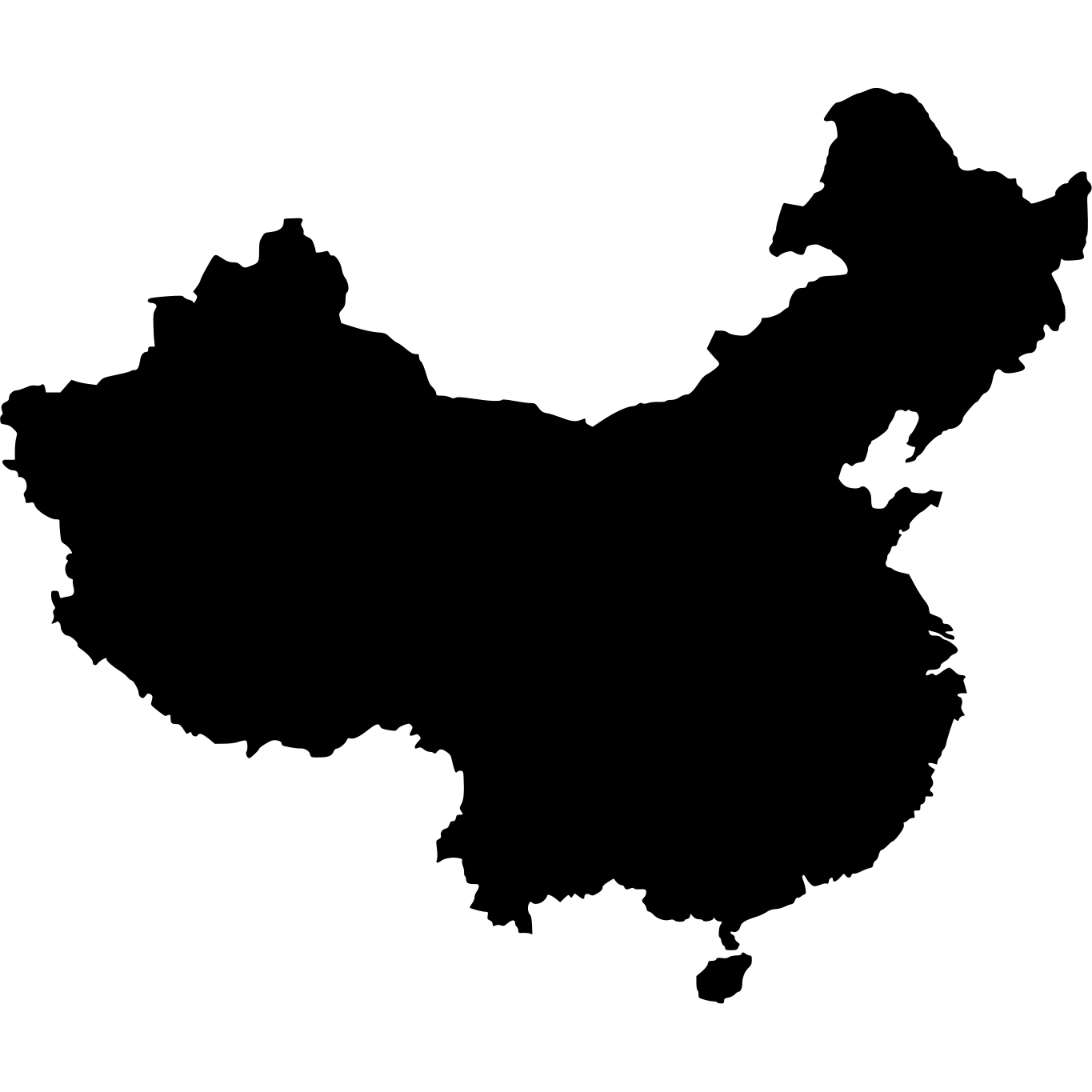
Bellisso is a Chinese brand

We're dedicated to providing you with the most up-to-date and science-backed ingredient info out there.
The data we've presented on this page has been verified by a member of the SkinSort Team.
Read more about us· Published December 13, 2024 • Added by jnm


