Three Ships Beauty Skin Hero Bakuchiol + Calendula Bio-Retinol Serum Versus Three Ships Beauty Boost 49% Rosehip Oil Serum
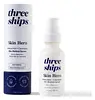
This anti-aging serum is formulated around Bakuchiol and Calendula Officinalis Flower Extract to soften the look of wrinkles and calm redness.
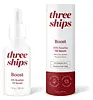
This hydrating serum is formulated around Rosa Canina Seed Oil and Vitis Vinifera Seed Oil to hydrate skin and calm redness.

What's inside
What's inside
 Key Ingredients
Benefits
Concerns
Ingredients Side-by-side
Water
Skin ConditioningGlycerin
Humectant


Behenyl Alcohol
Emollient
Bakuchiol
Antimicrobial








Dicaprylyl Ether
Emollient
Glyceryl Caprylate
EmollientRosa Canina Seed Oil
Emollient


Stearic Acid
Cleansing
Cetearyl Alcohol
Emollient


Calendula Officinalis Flower Extract
Masking
Tocopherol
Antioxidant
Pentylene Glycol
Skin Conditioning
Caprylhydroxamic Acid
ChelatingGlyceryl Stearate
Emollient
Sodium Phytate
ChelatingXanthan Gum
EmulsifyingPolyglyceryl-3 Dicitrate/Stearate
Emulsifying
Sodium Hydroxide
BufferingCitrus Aurantium Amara Peel Oil
Skin Conditioning
Water, Glycerin, Behenyl Alcohol, Bakuchiol, Dicaprylyl Ether, Glyceryl Caprylate, Rosa Canina Seed Oil, Stearic Acid, Cetearyl Alcohol, Calendula Officinalis Flower Extract, Tocopherol, Pentylene Glycol, Caprylhydroxamic Acid, Glyceryl Stearate, Sodium Phytate, Xanthan Gum, Polyglyceryl-3 Dicitrate/Stearate, Sodium Hydroxide, Citrus Aurantium Amara Peel Oil


Ingredients Explained
These ingredients are found in both products.
Ingredients higher up in an ingredient list are typically present in a larger amount.
Rosa Canina Seed Oil is a plant oil that is one of the two main oils sold as "rosehip oil".
It's a lightweight emollient that's especially high in fatty acids like linoleic acid (~54%), linoleic acid (~19%), plus some oleic. The exact percentages vary quite a bit by species, region, and growing conditions.
These fatty acids make it a solid choice for supporting the skin barrier and softening skin.
On the evidence front, a 2024 review on postsurgical scarring found this ingredient to be safe with benefits for scar redness, texture, and pigmentation. It's worth noting the human data is still limited and more trials are needed so it's reasonable to be optimistic but not expect miracles.
This ingredient has been found safe in current practices of use and concentration, with the only caveat that it could contain fragrance allergens (linalool and eugenol).
Fungal acne: The fatty acids of this oil fall into the C11-24 range that Malassezia yeast can metabolize, so this ingredient may not be fungal acne safe.
Learn more about Rosa Canina Seed OilTocopherol is a fat-soluble antioxidant known as Vitamin E.
You'll find this ingredient in the vast majority of skincare (for good reason). It works to neutralize free radicals, or unstable molecules generated by UV exposure, pollution, and other environmental stressors, before they can cause oxidative damage to your skin cells.
Topically applied tocopherol has been shown to protect against UV damage by ramping up the skin's own natural defense enzymes.
It also acts as a skin conditioning agent; some studies show that regular topical use can improve the skin's water-binding capacity over 2-4 weeks.
This ingredient is especially loved for being a team player. When combined with Vitamin C, the photoprotective effect of both ingredients roughly doubles and the combo also helps reduce UV-induced DNA damage.
This ingredient has some brightening potential but it's more of a prevention ingredient than spot-fader. Cell studies show it can slow down melanin production but it's worth noting that it's not the most powerful brightener out there.
In formulations, it also serves as a stabilizer that helps protect other oxidation-prone ingredients from degrading.
Concentrations usually range from 0.1-1% in most leave-on products.
Learn more about Tocopherol

