This smoothing exfoliator is formulated around Niacinamide and Papain to refine skin texture and balance excess oil.

What's inside
What's inside
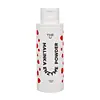 Key Ingredients
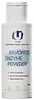
No key ingredients
Benefits
Ingredients Side-by-side



Aluminum Starch Octenylsuccinate
Absorbent
Oryza Sativa Starch
AbsorbentSodium Cocoyl Isethionate
Cleansing
Sodium Lauroyl Glutamate
SurfactantBetaine
Humectant


Fructooligosaccharides
Humectant
Magnesium Stearate
Cosmetic ColorantAllantoin
Skin Conditioning

Papain
Skin Conditioning
Bromelain
Skin Conditioning
Glycyrrhiza Glabra Root Extract
Bleaching

Centella Asiatica Extract
Cleansing
Plantago Major Callus Extract
Skin ConditioningAloe Barbadensis Extract
Skin Conditioning
Xanthan Gum
EmulsifyingSodium Levulinate
Skin ConditioningSodium Anisate
AntimicrobialAluminum Starch Octenylsuccinate, Oryza Sativa Starch, Sodium Cocoyl Isethionate, Sodium Lauroyl Glutamate, Betaine, Fructooligosaccharides, Magnesium Stearate, Allantoin, Papain, Bromelain, Glycyrrhiza Glabra Root Extract, Centella Asiatica Extract, Plantago Major Callus Extract, Aloe Barbadensis Extract, Xanthan Gum, Sodium Levulinate, Sodium Anisate
Ingredients Explained
These ingredients are found in both products.
Ingredients higher up in an ingredient list are typically present in a larger amount.
Betaine is a humectant. Like hyaluronic acid, it helps attract and retain moisture in the skin. It’s known for being gentle and for helping the skin maintain balanced hydration.
Betaine is mainly used to improve hydration and support calmer skin. It helps skin cells regulate water balance because it functions as an osmolyte.
Some studies suggest betaine may support making skin tone more even.
Fun fact: Betaine naturally exists in the skin and the body. In cosmetic products, it can be either plant-derived (most commonly from sugar beets) or synthetically produced for consistency and stability.
Betaine is also known as trimethylglycine.
Learn more about BetaineBromelain is a proteolytic enzyme derived from pineapple stem. It gently exfoliates by by dissolving the "glue" holding dead skin cells to your skin's surface.
By faciliating the removal of dead skin cells from the outermost layer of skin, it helps with enhancing skin firmness, hydration, and texture.
Besides exfoliation, it also has anti-inflammatory properties by blocking the inflammation signaling pathways.
It is considered gentler than traditional AHAs or physical scrubs and is a great option for sensitive skin. At this time, most of the clinical trial data on enzyme exfoliants is still limited and further in vivo research is needed.
Typical concentrations for this ingredient range between 0.1-5%.
Bromelain's use in cosmetic formulations has been limited by its sensitivity to pH and temperature (it maintains best stability at pH 5.0). This means how effective is it in a finished product can vary depending on how well the formula is designed.
Learn more about BromelainFructooligosaccharides (FOS) are a type of prebiotic sugar with humectant and skin conditioning properties. As a humectant, they help attract and hold moisture in the skin.
FOS essentially acts as a food source for the "good" bacteria on your skin and make it harder for "bad" bacteria to thrive. A 2022 study using a reconstructured human skin model found that just 1% of FOS was enough to shift the bacteria balance in favor of beneficial species. This suggests it could help support a healthier skin microbiome over time.
This ingredient has a low sensitization risk and testing shows it does not classify as a skin irritant or sensitizer.
FOS are usually produced from sugar beets and can also be found in foods like bananas, garlic, and onions.
Learn more about FructooligosaccharidesPapain is a proteolytic enzyme extracted from unripe papaya fruit. It is a gentle exfoliator that helps remove the dead skin cells from your outermost layer of skin.
Basically, papain works by dissolving the "glue" holding dead skin cells to your skin's surface. This also promotes cell turnover and smooths texture.
Unlike other exfoliants, papain can work without causing significant irritation.
Beyond exfoliation, its proteolytic action also helps soothe irritated skin and supports the healing of minor wounds.
A 2024 in vivo/in vitro study confirmed its potential to suppress skin inflammation and improve transepidermal water loss (TEWL) in atopic dermatitis models.
Just one thing worth noting: there are reports of allergic responses in individuals with a papaya or latex sensitivity. Be sure to patch test if you're in this camp.
Learn more about PapainSodium Anisate comes from fennel. It is used as a preservative and to add flavoring.
Sodium Anisate has antimicrobial properties.
Sodium cocoyl isethionate is a natural ingredient from coconut oil. It is an ultra gentle cleanser that gives a nice foam without drying the skin or impacting the skin barrier.
The amount of foam created depends on the amount of sodium cocoyl isethionate used in the product.
This ingredient also helps improve the spreadability of a product.
This ingredient hasn’t been shown in studies to feed fungal acne yeast.
Learn more about Sodium Cocoyl IsethionateSodium Lauroyl Glutamate is an amino-acid based mild surfactant that is used in formulas as a primary or secondary cleansing agent. This means it helps lift away oil, dirt, and makeup.
You'll see this ingredient in facial cleansers, shampoos, and even toothpaste because it foams reasonably well while being much gentler than harsher surfactants like SLS.
A study comparing surfactant mixtures found that Sodium Lauroyl Glutamate caused visibly less disruption to skin lipid structure and less irritation than SLS when tested on human subjects; this correlated with the data from in vivo results as well.
The Tenside, Surfactants, Detergents cosmetics industry journal has also concluded that amino acid based surfactants are generally milder than their corresponding alkyl sulfate counterparts. They also stated glutamates in particular are considered one of the gentler options in the category.
The Cosmetic Ingredient Review (CIR) Expert Panel has reviewed dermal irritation and sensitization data for this ingredient at the highest reported use concentration and concluded it to be safe in present practices.
Typical use concentrations tend to run low (generally less than 10%) though the CIR's review noted the highest reported use concentration was 40% as a raw material blend (and not a diluted finished cosmetic product).
Learn more about Sodium Lauroyl GlutamateSodium levulinate is the a sodium salt of Levulinic Acid. Oncedissolved in an aqueous solution, the two ingredients become identical. It is usually derived from renewable plant sources like corn starch or sugarcane.
In skincare, it mostly acts as a skin conditioning agent that keeps skin soft and hydrated. It also acts as a preservative booster by inhibiting the growth of mold, yeast, and bacteria.
It's often paired with Sodium Anisate as the two create a broad-spectrum preservative system that is popular in "natural" formulations.
This ingredient is water-soluble.
The CIR Expert Panel for Cosmetic Ingredient Safety has concluded this ingredient to be non-irritated and there are no restrictions for use in EU cosmetics. The FDA also allows this ingredient to be used as a food-grade flavoring agent.
Learn more about Sodium LevulinateXanthan gum is used as a stabilizer and thickener within cosmetic products. It helps give products a sticky, thick feeling - preventing them from being too runny.
On the technical side of things, xanthan gum is a polysaccharide - a combination consisting of multiple sugar molecules bonded together.
Xanthan gum is a pretty common and great ingredient. It is a natural, non-toxic, non-irritating ingredient that is also commonly used in food products.
Learn more about Xanthan Gum

