
What's inside
What's inside
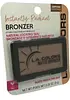 Key Ingredients
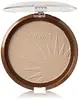
Benefits
Concerns
Ingredients Side-by-side



Ethylhexyl Methoxycinnamate 5%
UV Absorber


Benzophenone-3 1.5%
UV Absorber
Mica
Cosmetic ColorantBoron Nitride
Absorbent
Cyclopentasiloxane
Emollient
Phenyl Trimethicone
Skin Conditioning
Nylon-12
Caprylyl Glycol
Emollient
Methicone
Emollient
Dimethicone Crosspolymer
Emulsion Stabilising
Alumina
Abrasive
Bisabolol
Antioxidant





Caprylhydroxamic Acid
ChelatingGlycerin
Humectant
Dimethicone/Vinyl Dimethicone Crosspolymer
Skin Conditioning
Dimethiconol
Emollient
CI 77491
Cosmetic ColorantCI 77492
Cosmetic ColorantCI 77499
Cosmetic ColorantCI 77742
Cosmetic ColorantTitanium Dioxide
Cosmetic Colorant
Ethylhexyl Methoxycinnamate 5%, Benzophenone-3 1.5%, Mica, Boron Nitride, Cyclopentasiloxane, Phenyl Trimethicone, Nylon-12, Caprylyl Glycol, Methicone, Dimethicone Crosspolymer, Alumina, Bisabolol, Caprylhydroxamic Acid, Glycerin, Dimethicone/Vinyl Dimethicone Crosspolymer, Dimethiconol, CI 77491, CI 77492, CI 77499, CI 77742, Titanium Dioxide
Ingredients Explained
These ingredients are found in both products.
Ingredients higher up in an ingredient list are typically present in a larger amount.
Caprylyl Glycol is a humectant, skin conditioner, emollient, and preservative booster derived from either caprylic acid or synthetically created.
Typical use levels vary from 0.3-1% as a preservative booster and go up to 2% to condition skin.
Because it is not a free-fatty acid, this ingredient is fungal acne safe (there's nothing for Malassezia to feed on).
Learn more about Caprylyl GlycolCi 77491 is also hydrated iron III oxide. It's sole purpose is to give a red/pink hue to products.
Iron III oxides are classified as inorganic chemicals for coloring.
Synthetically created Ci 77491 is considered safer than those naturally found. This is because the synthetically created version may contain less impurities. Iron oxides are generally non-toxic and non-allergenic.
Learn more about CI 77491CI 77492 is also hydrated iron III oxide. It's sole purpose is to give a yellow hue to products.
Iron III oxides are classified as inorganic chemicals for coloring.
Synthetically created CI 77492 is considered safer than those naturally found. This is because the synthetically created version may contain less impurities. Iron oxides are generally non-toxic and non-allergenic.
Learn more about CI 77492Ci 77499 is also hydrated iron III oxide. It is created from mixing red and black iron oxides. This helps give shades of darkness to a product.
Iron III oxides are classified as inorganic chemicals for coloring.
Mica is a naturally occurring mineral used to add shimmer and color in cosmetics. It can also help improve the texture of a product or give it an opaque, white/silver color.
Serecite is the name for very fine but ragged grains of mica.
This ingredient is often coated with metal oxides like titanium dioxide. Trace amounts of heavy metals may be found in mica, but these metals are not harmful in our personal products.
Mica has been used since prehistoric times throughout the world. Ancient Egyptian, Indian, Greek, Roman, Aztec, and Chinese civilizations have used mica.
Learn more about Mica

