

What's inside
What's inside
 Key Ingredients

No key ingredients
Benefits
No benefits
Concerns
No concerns
Ingredients Side-by-side


Water
Skin ConditioningPropylene Glycol
Humectant


Acrylates/Ethylhexyl Acrylate Copolymer
Laureth-21
CleansingAcrylates/Dimethylaminoethyl Methacrylate Copolymer
C11-15 Pareth-7
EmulsifyingPEG-40 Hydrogenated Castor Oil
Emulsifying

Sodium Laureth-12 Sulfate
Cleansing
Sodium Lauryl Sulfate
Cleansing


Ammonium Acrylates Copolymer
Disodium Laureth Sulfosuccinate
CleansingCaprylyl Glycol
Emollient
Butylene Glycol
Humectant
Potassium Sorbate
Preservative
Sodium Dehydroacetate
Preservative
Phenoxyethanol
Preservative
CI 77266
Cosmetic ColorantWater, Propylene Glycol, Acrylates/Ethylhexyl Acrylate Copolymer, Laureth-21, Acrylates/Dimethylaminoethyl Methacrylate Copolymer, C11-15 Pareth-7, PEG-40 Hydrogenated Castor Oil, Sodium Laureth-12 Sulfate, Sodium Lauryl Sulfate, Ammonium Acrylates Copolymer, Disodium Laureth Sulfosuccinate, Caprylyl Glycol, Butylene Glycol, Potassium Sorbate, Sodium Dehydroacetate, Phenoxyethanol, CI 77266
Reviews
Ingredients Explained
These ingredients are found in both products.
Ingredients higher up in an ingredient list are typically present in a larger amount.
Caprylyl Glycol is a humectant and emollient, meaning it attracts and preserves moisture.
It is a common ingredient in many products, especially those designed to hydrate skin. The primary benefits are retaining moisture, skin softening, and promoting a healthy skin barrier.
Though Caprylyl Glycol is an alcohol derived from fatty acids, it is not the kind that can dry out skin.
This ingredient is also used as a preservative to extend the life of products. It has slight antimicrobial properties.
Learn more about Caprylyl GlycolPhenoxyethanol is a preservative that has germicide, antimicrobial, and aromatic properties. Studies show that phenoxyethanol can prevent microbial growth. By itself, it has a scent that is similar to that of a rose.
It's often used in formulations along with Caprylyl Glycol to preserve the shelf life of products.
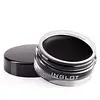
CI 77266 is a high-purity pigment used to create an intense black color in cosmetics. It is made up of fine particles of pure carbon. This ingredient is also often listed as Carbon Black in ingredient lists.
You'll likely find this ingredient in mascaras, eyeliners, brow products, and eye shadow.
In the US, this ingredient can only be used if it meets strict FDA specifications. Certain versions even require batch-by-batch certification after extensive safety evaluation.
In the European Union, this ingredient is permitted as a colorant and classified as a "nanomaterial" based on its particle size (meaning it requires deeper assessment).
The EU Scientific Committee on Consumer Safety (SCCS) has reviewed nano-sized carbon black specifically and concluded that it does not pose a risk to human health when used in cosmetic products applied to healthy, intact skin and formulated to avoid inhalation.
Studies support this regulatory stance. Laboratory studies on nano-carbon black show potential for cytotoxicity and inflammatory effects in immune cells; it is important to highlight these findings are based on in vitro (not done on a living organism) testing or inhalation scenarios rather than normal topical cosmetic use.
Occupational studies involving industrial workers exposed to airborne carbon black have not shown a clear link between cumulative exposure and cancer risk. These findings are not directly applicable to cosmetics; cosmetic formulations bind pigments within creams, gels, and liquids that are not inhaled.
Overall, evidence shows that this ingredient is safe under regulatory guidelines and purity standards, especially when formulated to avoid airborne exposure.
Even with regulatory approval and a long history of use, some consumers might prefer to avoid ingredients that are petroleum-derived or that fall under the “nanomaterial” category.
Choosing whether to use CI 77266 isn’t necessarily about safety alone; it can also be about personal philosophy, comfort level with synthetic versus natural ingredients, and how much weight you place on ongoing research and regulatory oversight.
Makeup is highly individual, and personal preference plays an important role in deciding what feels right for you.
Learn more about CI 77266
