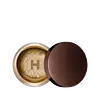
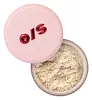
Hourglass Cosmetics Veil Translucent Setting Powder Versus One/Size by Patrick Starrr Ultimate Blurring Setting Powder

What's inside
What's inside
 Key Ingredients
Benefits
Concerns
Ingredients Side-by-side

Talc
Abrasive
Calcium Aluminum Borosilicate
Magnesium Myristate
Nylon-12


Caprylic/Capric Triglyceride
Masking


Ethylhexyl Palmitate
Emollient




Zea Mays Starch
Absorbent
Phenoxyethanol
Preservative
Caprylyl Glycol
Emollient
Lauroyl Lysine
Skin Conditioning
Sodium Dehydroacetate
Preservative
Trimethylsiloxysilicate
Emollient
Polymethyl Methacrylate
Ascorbyl Palmitate
Antioxidant



Methicone
Emollient
Iron Oxides
CI 19140
Cosmetic ColorantCI 77007
Cosmetic ColorantTalc, Calcium Aluminum Borosilicate, Magnesium Myristate, Nylon-12, Caprylic/Capric Triglyceride, Ethylhexyl Palmitate, Zea Mays Starch, Phenoxyethanol, Caprylyl Glycol, Lauroyl Lysine, Sodium Dehydroacetate, Trimethylsiloxysilicate, Polymethyl Methacrylate, Ascorbyl Palmitate, Methicone, Iron Oxides, CI 19140, CI 77007
Reviews
Ingredients Explained
These ingredients are found in both products.
Ingredients higher up in an ingredient list are typically present in a larger amount.
Sodium Dehydroacetate is a synthetic preservative and sodium salt form of dehydroacetic acid. It stops bacteria, mold, and yeast from growing in your products at low concentrations.
Clinical testing found it to be non-irritating, non-sensitizing, and non-photosensitizing. It's also not significantly absorbed through skin.
There are a very small number of reported cases of contact dermatitis in cases linked to wound-care creams used over compromised skin (rather than skincare).
Overall, this is a well-studied and low-risk preservative just doing its job.
Typical concentrations run up to 0.6%, which is also the maximum amount permitted under both EU CosIng regulations and US FDA guidelines.
Learn more about Sodium Dehydroacetate

