

What's inside
What's inside
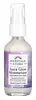 Key Ingredients
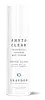
Benefits
Concerns
No concerns
Ingredients Side-by-side
Water
Skin ConditioningGlycerin
Humectant


Squalane
Emollient
Hydroxyethyl Acrylate/Sodium Acryloyldimethyl Taurate Copolymer
Emulsion StabilisingPropanediol
Solvent
Bakuchiol
Antimicrobial







Tropaeolum Majus Flower/Leaf/Stem Extract
Skin ConditioningEvodia Rutaecarpa Fruit Extract
Skin ConditioningQuartz
Abrasive
Citrus Aurantium Dulcis Peel Oil
Masking

Citric Acid
Buffering

Ethylhexylglycerin
Skin ConditioningCaprylyl Glycol
Emollient
Pentylene Glycol
Skin Conditioning
Sodium Stearoyl Glutamate
CleansingTitanium Dioxide
Cosmetic Colorant

Mica
Cosmetic ColorantWater, Glycerin, Squalane, Hydroxyethyl Acrylate/Sodium Acryloyldimethyl Taurate Copolymer, Propanediol, Bakuchiol, Tropaeolum Majus Flower/Leaf/Stem Extract, Evodia Rutaecarpa Fruit Extract, Quartz, Citrus Aurantium Dulcis Peel Oil, Citric Acid, Ethylhexylglycerin, Caprylyl Glycol, Pentylene Glycol, Sodium Stearoyl Glutamate, Titanium Dioxide, Mica
Chlorella Vulgaris Extract
Skin ConditioningCetearyl Alcohol
Emollient




Glycerin
Humectant
Phenethyl Alcohol
MaskingPentylene Glycol
Skin Conditioning
Propanediol
Solvent
Bakuchiol
Antimicrobial
Vigna Aconitifolia Seed Extract
Skin ConditioningMaltodextrin
Absorbent
Squalane
Emollient
Azadirachta Indica Seed Oil
Skin Conditioning
Brassica Oleracea Italica Seed Oil
Emollient
CI 75810
Cosmetic ColorantAlgin
MaskingCyamopsis Tetragonoloba Gum
Emulsion StabilisingSodium Stearoyl Glutamate
CleansingCitrus Limon Juice Extract
TonicSalvia Sclarea Oil
Masking
Rosmarinus Officinalis Leaf Oil
Masking
Thymus Vulgaris Flower/Leaf Oil
Masking
Citrus Limon Peel Oil
Masking



Carum Petroselinum Seed Oil
Masking
Chlorella Vulgaris Extract, Cetearyl Alcohol, Glycerin, Phenethyl Alcohol, Pentylene Glycol, Propanediol, Bakuchiol, Vigna Aconitifolia Seed Extract, Maltodextrin, Squalane, Azadirachta Indica Seed Oil, Brassica Oleracea Italica Seed Oil, CI 75810, Algin, Cyamopsis Tetragonoloba Gum, Sodium Stearoyl Glutamate, Citrus Limon Juice Extract, Salvia Sclarea Oil, Rosmarinus Officinalis Leaf Oil, Thymus Vulgaris Flower/Leaf Oil, Citrus Limon Peel Oil, Carum Petroselinum Seed Oil
Reviews
Ingredients Explained
These ingredients are found in both products.
Ingredients higher up in an ingredient list are typically present in a larger amount.
Bakuchiol is a plant-derived antioxidant from the seeds of the Psoralea corylifolia plant. It has antimicrobial, emollient, skin conditioning, and antioxidant properties.
You'll likely see it called a "retinol replacement" but the two are technically not related. This is because bakuchiol is able to flip many of the same switches in your skin cells to tell them to:
1) produce more collagen (type I, III, and IV)
2) activate the same genes retinoids do
Unlike retinoids, this ingredient will not increase photosensitivity and is safe to use during pregnancy (but please still check in with your doctor!).
The flagship clinical trial from Dhaliwal et al. 2019 found 0.5% bakuchiol (twice daily) and 0.5% retinol (once daily) reduced wrinkles and hyperpigmentation equally, but bakuchiol had significantly less irritation.
Systematic reviews also back this up:
Bakuchiol is comparable to retinol for photoaging but with better tolerability. It also has mild antibacterial properties against Cutibacterium acnes and antifungal activity in vitro against Candida and dermatophytes.
The reason bakuchiol works well is due to its structure; it is a meroterpene phenol, or a hybrid molecule. The phenol half acts as an antioxidant while the terpene half is fat-loving. This helps the molecule slip through the skin barrier.
This ingredient is usually used between 0.5-2%. Only one case of contact dermatitis has ever been reported for this ingredient.
Learn more about BakuchiolGlycerin (or glycerol) is a compound naturally found in your skin. It's a powerhouse humectant that pulls water into the stratum corneum.
Topically, glycerin does several things at once:
Your skin makes glycerin on its own (mostly from sebaceous oil breakdown) and shuttles it to your outermost layer of skin, or your epidermis, via aquaporin-3.
Aquaporin-3 is a transporter that is essential for normal skin hydration, elasticity, and repair. Interestingly, mice lacking in AQP3 have dry and less elastic skin that can be fully corrected with glycerin.
This ingredient is non-irritating, plays well with almost every ingredient, and works across all skin types. Typical use is anywhere between 3-10% but can go up to 79% in some leave-on products.
Just know very high concentrations (>40%) can feel tacky in low humidity.
Glycerin is the name for this ingredient in American English. British English uses Glycerol/Glycerine.
Learn more about GlycerinPentylene Glycol (1,2-pentanediol) is a multitasking little diol with three main roles in a formula:
Research on alkanediols (the family pentylene glycol belongs to) show they work by disrupting microbial cell membranes. This disruption helps the primary preservative system in a product work more effectively at lower doses.
On the safety side, the Cosmetic Ingredient Review Expert Panel has concluded this ingredient to be safe as used in current cosmetic practices + concentrations.
Typical use levels in a formula run about 1-5%.
Learn more about Pentylene GlycolPropanediol is an all-star ingredient. It softens, hydrates, and smooths the skin.
It’s often used to:
Propanediol is not likely to cause sensitivity and considered safe to use. It is derived from corn or petroleum with a clear color and no scent.
Learn more about PropanediolSodium Stearoyl Glutamate is an amino-acid based emulsifier. It is made by combining stearic acid with L-glutamic acid and neutralizing it to a sodium salt.
As an emulsifier, it works mainly as an oil-in-water one and helps keep the oil and water in your formulas blended. It also contributes to a smooth, non-greasy skin feel.
This ingredient is biodegradable and commonly available in natural/COSMOS-certified grades.
Learn more about Sodium Stearoyl GlutamateSqualane is the hydrogenated and shelf-stable form of squalene (a lipid that naturally occurs in human sebum).
It is an emollient and skin conditioning agent that is able to integrate seamlessly into the skin's lipid barrier without clogging pores.
This is due to how structurally similar it is to what your skin already produces.
Though it is mostly an emollient that helps soften and hydrate skin, it also has some humectant and occlusive action. Humectants help the skin retain moisture while occlusives seal it in, making squalane a triple-threat moisturizer.
Research shows it has antioxidant capabilities that help protect against stressors like UV exposure, specifically UVA induced oxidative stress. This study also found that it supports collagen biosynthesis in human dermal fibroblasts.
No clinical study has reported significant adverse effects and irritation reactions are very rare from this ingredient (even at 100% concentration).
Overall, it's a fantastic ingredient for hydration and is suitable for all skin types.
This depends on the source. Squalane can be derived from both plants and animals. Most squalane used in skincare comes from plants.
Please note: the source of squalane is only known if disclosed by the brand. We recommend reaching out to the brand if you have any questions about their squalane.
Read more about squalene with an "e".
Though squalane is often called an oil, it’s technically not one. It is a hydrocarbon, meaning it is only made of carbon and hydrogen. True oils are triglycerides and made of fatty acids and glycerol.
The term “oil-free” isn’t regulated so companies can define it however they want. Some exclude all oils, while others just avoid mineral oil or comedogenic oils.
Squalane has a comedogenic rating of 1 from the original 1972 study that tested raw ingredients under occlusion on rabbit ears. This system is not standardized or peer-reviewed, and using the raw ingredients is very different from how diluted cosmetic formulations are used on human skin.
A comedogenic rating of 1 means it is "unlikely to clog pores" according to the original rating system.
The overall formula of a product matters more than the individual ingredients on whether or not it will cause clogged pores.
Learn more about Squalane

