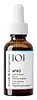
This calming serum is formulated around Potassium Azeloyl Diglycinate to calm redness and balance excess oil.
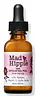
This smoothing exfoliator is formulated around Glycolic Acid and Lactic Acid to refine skin texture and soften the look of wrinkles.


What's inside
What's inside
 Key Ingredients
Benefits
Concerns
Ingredients Side-by-side


Water
Skin ConditioningGlycolic Acid
Buffering











Hydrolyzed Vegetable Protein Pg-Propyl Silanetriol
Skin ConditioningMalus Domestica Fruit Cell Culture Extract
Skin ConditioningIsomalt
HumectantHyaluronic Acid
Humectant


Glycerin
Humectant
Malva Sylvestris Extract
AstringentVeronica Officinalis Leaf Extract
Skin ConditioningLactic Acid
Buffering
Xanthan Gum
EmulsifyingTocopherol
Antioxidant


Pantothenic Acid
Skin ConditioningPalmitoyl Tripeptide-38
Skin Conditioning
Niacinamide
Smoothing

Camellia Sinensis Extract
Antioxidant
Lycium Barbarum Fruit Extract
Astringent
Methylcellulose
Emulsion StabilisingMelatonin
Antioxidant
Caffeine
Skin Conditioning
Biotin
AntiseborrhoeicCeramide NP
Skin Conditioning
Squalane
Emollient
Hydrolyzed Soy Protein
Humectant
Potassium Citrate
BufferingWater, Glycolic Acid, Hydrolyzed Vegetable Protein Pg-Propyl Silanetriol, Malus Domestica Fruit Cell Culture Extract, Isomalt, Hyaluronic Acid, Glycerin, Malva Sylvestris Extract, Veronica Officinalis Leaf Extract, Lactic Acid, Xanthan Gum, Tocopherol, Pantothenic Acid, Palmitoyl Tripeptide-38, Niacinamide, Camellia Sinensis Extract, Lycium Barbarum Fruit Extract, Methylcellulose, Melatonin, Caffeine, Biotin, Ceramide NP, Squalane, Hydrolyzed Soy Protein, Potassium Citrate
Reviews
Ingredients Explained
These ingredients are found in both products.
Ingredients higher up in an ingredient list are typically present in a larger amount.
Glycerin (or glycerol) is a compound naturally found in your skin. It's a powerhouse humectant that pulls water into the stratum corneum.
Topically, glycerin does several things at once:
Your skin makes glycerin on its own (mostly from sebaceous oil breakdown) and shuttles it to your outermost layer of skin, or your epidermis, via aquaporin-3.
Aquaporin-3 is a transporter that is essential for normal skin hydration, elasticity, and repair. Interestingly, mice lacking in AQP3 have dry and less elastic skin that can be fully corrected with glycerin.
This ingredient is non-irritating, plays well with almost every ingredient, and works across all skin types. Typical use is anywhere between 3-10% but can go up to 79% in some leave-on products.
Just know very high concentrations (>40%) can feel tacky in low humidity.
Glycerin is the name for this ingredient in American English. British English uses Glycerol/Glycerine.
Learn more about GlycerinWater. It's the most common cosmetic ingredient of all. You'll usually see it at the top of ingredient lists, meaning that it makes up the largest part of the product.
So why is it so popular? Water most often acts as a solvent - this means that it helps dissolve other ingredients into the formulation.
You'll also recognize water as that liquid we all need to stay alive. If you see this, drink a glass of water. Remember to stay hydrated!
Learn more about WaterXanthan gum is used as a stabilizer and thickener within cosmetic products. It helps give products a sticky, thick feeling - preventing them from being too runny.
On the technical side of things, xanthan gum is a polysaccharide - a combination consisting of multiple sugar molecules bonded together.
Xanthan gum is a pretty common and great ingredient. It is a natural, non-toxic, non-irritating ingredient that is also commonly used in food products.
Learn more about Xanthan Gum

